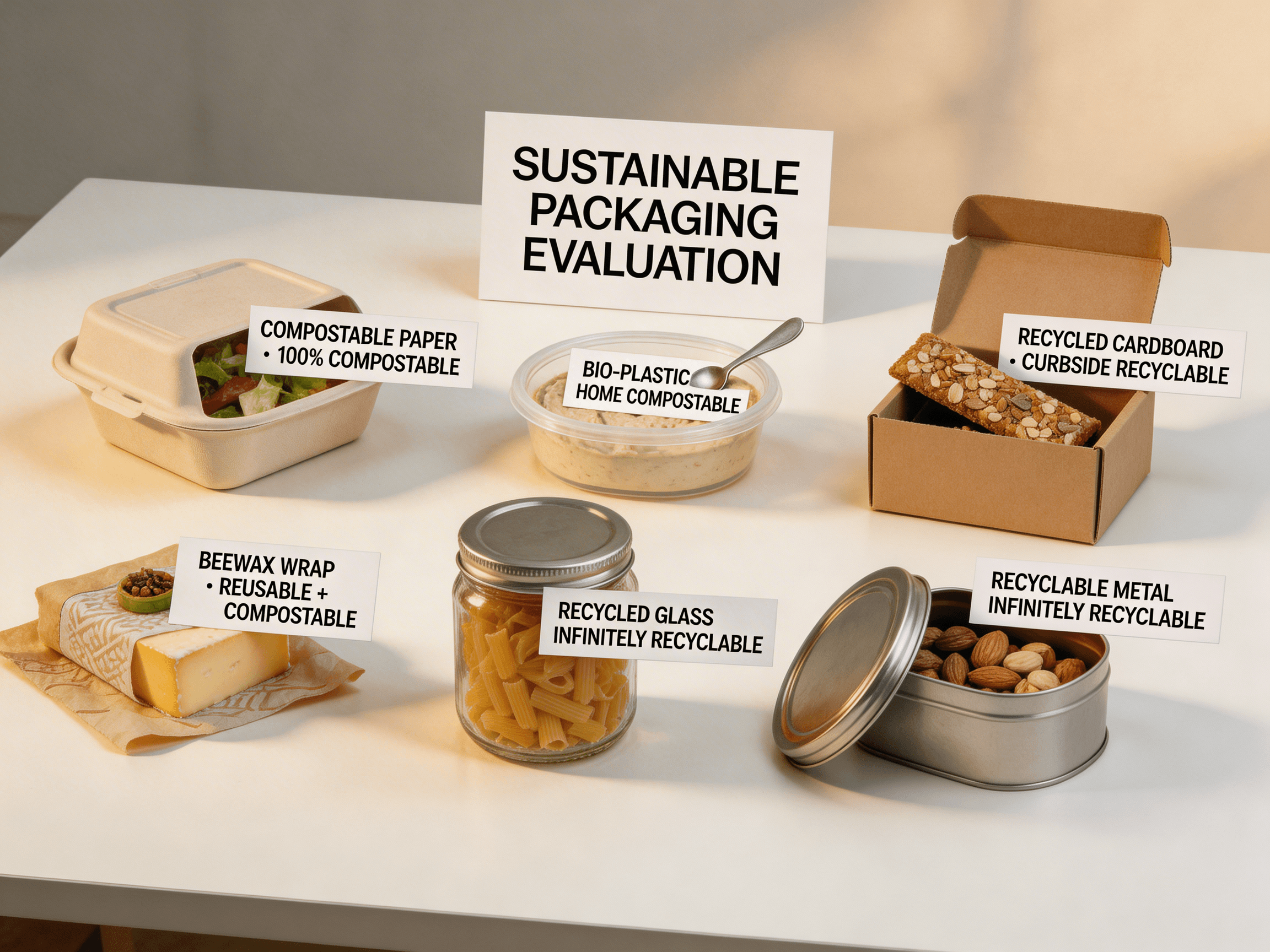
Food Packaging Myths vs Reality: A B2B Buyer's Guide to Smarter Sourcing
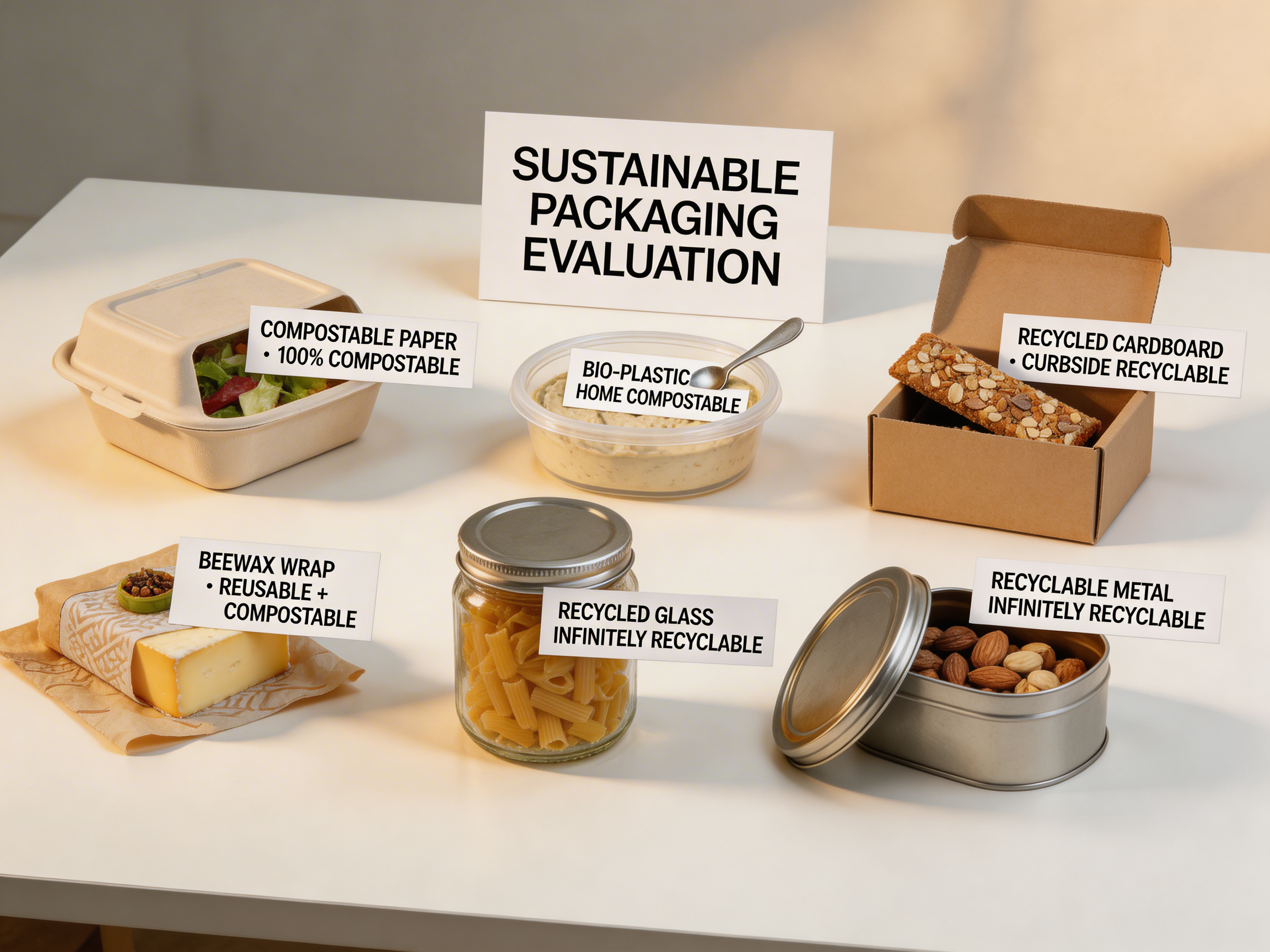
The food packaging industry is surrounded by misconceptions that can lead to poor purchasing decisions, compliance issues, and missed opportunities for businesses. For restaurant chains, cafes, and food distributors operating in competitive markets, understanding the real facts behind food packaging is essential for making informed sourcing choices.This guide debunks common myths about food packaging while highlighting practical benefits that matter to B2B buyers. Whether you're managing procurement for a multi-location restaurant group or sourcing packaging materials for distribution, this article will help you navigate the complexities of modern food packaging.
Myth #1: Recyclable Symbols Guarantee Recyclability
One of the most persistent misconceptions in food packaging is that the presence of a recycling symbol automatically means a product can be recycled in your local area. In reality, recycling capabilities vary significantly by region and facility.The numbers inside recycling symbols (Resin Identification Codes or RICs) indicate the type of plastic used, not necessarily whether that material is accepted by your local recycling program. For B2B buyers sourcing packaging across multiple markets, this means understanding regional recycling infrastructure is crucial.Practical takeaway: When sourcing packaging materials for distribution across different regions, consider working with suppliers who can provide clear guidance on recycling compatibility by market. This helps your clients avoid compliance issues and supports their sustainability claims.
Myth #2: Biodegradable Means Compostable
The terms "biodegradable" and "compostable" are often used interchangeably, but they represent very different processes and standards. This distinction matters significantly for businesses making packaging decisions based on environmental impact.Biodegradable materials break down naturally over time through biological processes, but this can take years and may leave behind microplastics or other residues. Compostable materials, on the other hand, meet specific standards (like ASTM D6400 or EN 13432) that require them to break down into non-toxic components within a defined timeframe under composting conditions.For restaurants and cafes marketing their environmental credentials, using "compostable" packaging that isn't certified can lead to greenwashing accusations. B2B buyers should verify certification claims and understand the disposal requirements for compostable packaging in their target markets.
Myth #3: All Plastic Packaging Is Bad
The anti-plastic sentiment has led many businesses to avoid plastic packaging entirely, sometimes choosing alternatives that actually have higher environmental impacts across their lifecycle. While plastic pollution is a serious concern, the material itself isn't inherently problematic when used appropriately.Plastic packaging often requires less energy to produce and transport than alternatives due to its light weight. It can also extend food shelf life significantly, reducing food waste which has substantial environmental impacts. The key issues with plastic are single-use culture and inadequate waste management infrastructure, not the material itself.For B2B buyers, this means evaluating packaging choices based on lifecycle assessments rather than material prejudice. In some cases, recyclable or reusable plastic packaging may be more environmentally sound than single-use alternatives, particularly when considering transportation emissions and food preservation benefits.
Practical Benefits of Quality Food Packaging
Beyond myth-busting, understanding the real benefits of well-designed food packaging helps businesses make better procurement decisions. Here are the practical advantages that matter for restaurants, cafes, and food distributors:
Extended Product Freshness
Proper packaging creates barriers against oxygen, moisture, and contaminants that degrade food quality. For businesses distributing packaged foods or operating multi-location restaurant chains, this translates to longer shelf life, reduced spoilage, and consistent customer experiences across locations.Vacuum-sealed packaging can extend shelf life by weeks or months compared to conventional storage, opening distribution opportunities that would otherwise be impractical. For B2B buyers sourcing packaging for clients with regional or national distribution ambitions, this capability is a significant value proposition.
Brand Differentiation and Customer Experience
Packaging is often the first physical touchpoint between a food brand and its customers. Well-designed packaging communicates brand values, quality positioning, and attention to detail that influences purchasing decisions and repeat business.For restaurants and cafes, custom-branded packaging transforms every takeaway order into a marketing opportunity. B2B buyers should consider sourcing capabilities for custom printing, unique structural designs, and material selections that help their clients stand out in competitive markets.
Operational Efficiency and Cost Management
Appropriate packaging choices directly impact operational efficiency across storage, transportation, and service. Stackable designs maximize warehouse and delivery vehicle capacity. Microwave-safe containers eliminate transfer steps for customers. Portion-controlled packaging reduces food waste and standardizes costs.For multi-location restaurant operations, standardized packaging specifications across the group enable volume purchasing benefits and simplified inventory management. B2B buyers can add value by offering packaging solutions that address these operational considerations alongside material specifications.
Sourcing Considerations for B2B Buyers
When evaluating packaging suppliers for restaurant, cafe, or distribution clients, several factors beyond unit price should inform procurement decisions:Customization capabilities – Can the supplier accommodate custom sizes, printed branding, and structural modifications that clients may require as they grow? Flexible minimum order quantities allow businesses to test packaging options without committing to excessive inventory.Quality consistency – Variations in packaging dimensions, material thickness, or printing quality can disrupt automated packing operations and affect brand perception. Suppliers with documented quality control processes and batch testing protocols reduce these risks.Supply chain reliability – Lead times, inventory availability, and contingency planning for supply disruptions are critical considerations, particularly for businesses with limited warehouse space or tight cash flow. Suppliers with transparent communication about availability and realistic delivery estimates enable better planning.Regulatory compliance support – Food packaging must meet safety standards appropriate for its intended use, including food contact material regulations. Suppliers who can provide documentation, migration testing results, and guidance on compliance requirements add value beyond the physical product.
Conclusion
The food packaging landscape is more nuanced than common myths suggest. B2B buyers who understand the real factors affecting recyclability, biodegradability, and material selection can make more informed procurement decisions that serve their clients' operational needs and sustainability goals.Quality food packaging delivers tangible benefits—extended freshness, brand enhancement, operational efficiency—that directly impact customer satisfaction and business profitability. By evaluating packaging suppliers against criteria beyond unit cost, including customization flexibility, quality consistency, and supply chain reliability, procurement professionals can build packaging programs that support their clients' growth objectives.For restaurant chains, cafes, and food distributors seeking packaging solutions, the key is aligning packaging choices with specific operational requirements, regulatory obligations, and brand positioning strategies. With the right knowledge and supplier partnerships, food packaging becomes a strategic asset rather than a mere operational necessity.
Need help sourcing food packaging for your restaurant or distribution business? Contact TakeawayPack at info@takeawaypack.com to discuss your requirements and explore packaging solutions tailored to your operational needs.
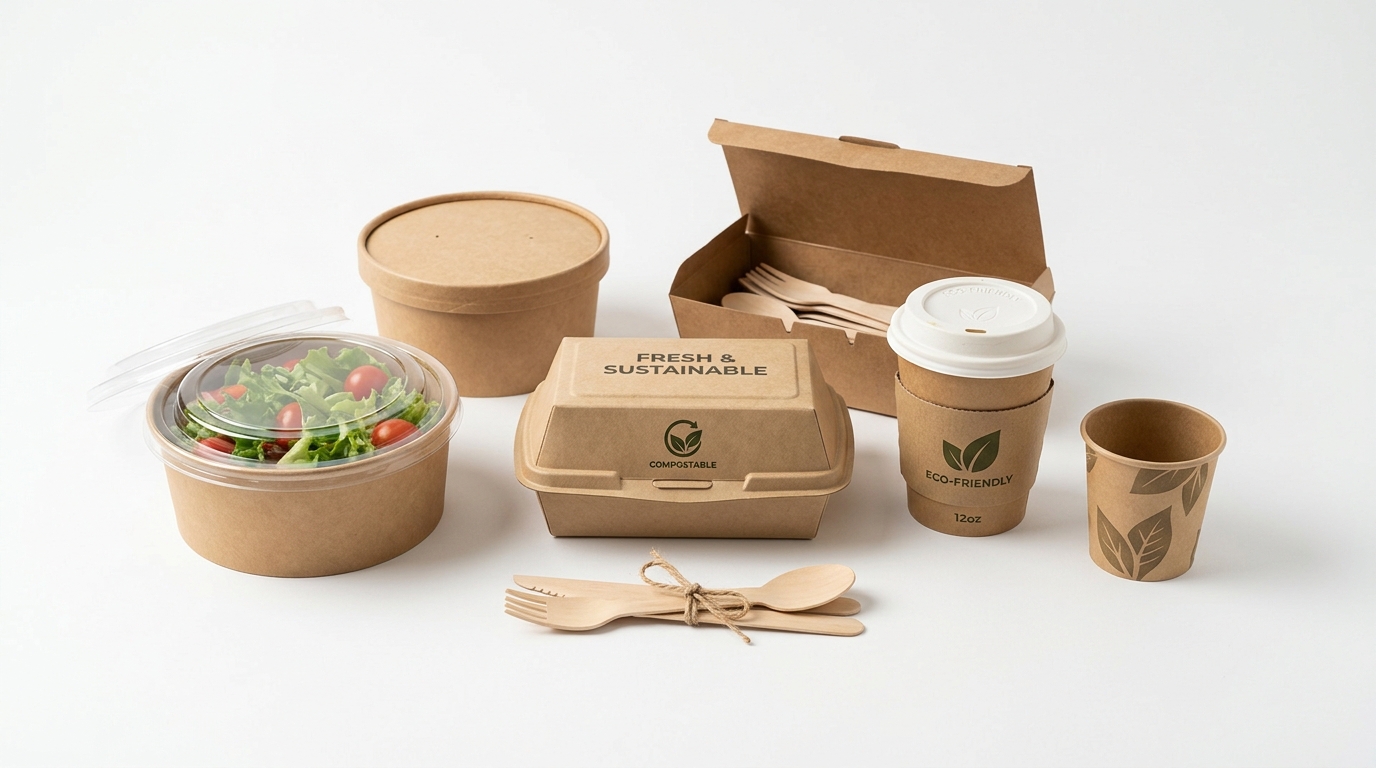
The food packaging industry is surrounded by misconceptions that can lead to poor purchasing decisions, compliance issues, and missed opportunities for businesses. For restaurant chains, cafes, and food distributors operating in competitive markets, understanding the real facts behind food packaging is essential for making informed sourcing choices.This guide debunks common myths about food packaging while highlighting practical benefits that matter to B2B buyers. Whether you're managing procurement for a multi-location restaurant group or sourcing packaging materials for distribution, this article will help you navigate the complexities of modern food packaging.
Myth #1: Recyclable Symbols Guarantee Recyclability
One of the most persistent misconceptions in food packaging is that the presence of a recycling symbol automatically means a product can be recycled in your local area. In reality, recycling capabilities vary significantly by region and facility.The numbers inside recycling symbols (Resin Identification Codes or RICs) indicate the type of plastic used, not necessarily whether that material is accepted by your local recycling program. For B2B buyers sourcing packaging across multiple markets, this means understanding regional recycling infrastructure is crucial.Practical takeaway: When sourcing packaging materials for distribution across different regions, consider working with suppliers who can provide clear guidance on recycling compatibility by market. This helps your clients avoid compliance issues and supports their sustainability claims.
Myth #2: Biodegradable Means Compostable
The terms "biodegradable" and "compostable" are often used interchangeably, but they represent very different processes and standards. This distinction matters significantly for businesses making packaging decisions based on environmental impact.Biodegradable materials break down naturally over time through biological processes, but this can take years and may leave behind microplastics or other residues. Compostable materials, on the other hand, meet specific standards (like ASTM D6400 or EN 13432) that require them to break down into non-toxic components within a defined timeframe under composting conditions.For restaurants and cafes marketing their environmental credentials, using "compostable" packaging that isn't certified can lead to greenwashing accusations. B2B buyers should verify certification claims and understand the disposal requirements for compostable packaging in their target markets.
Myth #3: All Plastic Packaging Is Bad
The anti-plastic sentiment has led many businesses to avoid plastic packaging entirely, sometimes choosing alternatives that actually have higher environmental impacts across their lifecycle. While plastic pollution is a serious concern, the material itself isn't inherently problematic when used appropriately.Plastic packaging often requires less energy to produce and transport than alternatives due to its light weight. It can also extend food shelf life significantly, reducing food waste which has substantial environmental impacts. The key issues with plastic are single-use culture and inadequate waste management infrastructure, not the material itself.For B2B buyers, this means evaluating packaging choices based on lifecycle assessments rather than material prejudice. In some cases, recyclable or reusable plastic packaging may be more environmentally sound than single-use alternatives, particularly when considering transportation emissions and food preservation benefits.
Practical Benefits of Quality Food Packaging
Beyond myth-busting, understanding the real benefits of well-designed food packaging helps businesses make better procurement decisions. Here are the practical advantages that matter for restaurants, cafes, and food distributors:
Extended Product Freshness
Proper packaging creates barriers against oxygen, moisture, and contaminants that degrade food quality. For businesses distributing packaged foods or operating multi-location restaurant chains, this translates to longer shelf life, reduced spoilage, and consistent customer experiences across locations.Vacuum-sealed packaging can extend shelf life by weeks or months compared to conventional storage, opening distribution opportunities that would otherwise be impractical. For B2B buyers sourcing packaging for clients with regional or national distribution ambitions, this capability is a significant value proposition.
Brand Differentiation and Customer Experience
Packaging is often the first physical touchpoint between a food brand and its customers. Well-designed packaging communicates brand values, quality positioning, and attention to detail that influences purchasing decisions and repeat business.For restaurants and cafes, custom-branded packaging transforms every takeaway order into a marketing opportunity. B2B buyers should consider sourcing capabilities for custom printing, unique structural designs, and material selections that help their clients stand out in competitive markets.
Operational Efficiency and Cost Management
Appropriate packaging choices directly impact operational efficiency across storage, transportation, and service. Stackable designs maximize warehouse and delivery vehicle capacity. Microwave-safe containers eliminate transfer steps for customers. Portion-controlled packaging reduces food waste and standardizes costs.For multi-location restaurant operations, standardized packaging specifications across the group enable volume purchasing benefits and simplified inventory management. B2B buyers can add value by offering packaging solutions that address these operational considerations alongside material specifications.
Sourcing Considerations for B2B Buyers
When evaluating packaging suppliers for restaurant, cafe, or distribution clients, several factors beyond unit price should inform procurement decisions:Customization capabilities – Can the supplier accommodate custom sizes, printed branding, and structural modifications that clients may require as they grow? Flexible minimum order quantities allow businesses to test packaging options without committing to excessive inventory.Quality consistency – Variations in packaging dimensions, material thickness, or printing quality can disrupt automated packing operations and affect brand perception. Suppliers with documented quality control processes and batch testing protocols reduce these risks.Supply chain reliability – Lead times, inventory availability, and contingency planning for supply disruptions are critical considerations, particularly for businesses with limited warehouse space or tight cash flow. Suppliers with transparent communication about availability and realistic delivery estimates enable better planning.Regulatory compliance support – Food packaging must meet safety standards appropriate for its intended use, including food contact material regulations. Suppliers who can provide documentation, migration testing results, and guidance on compliance requirements add value beyond the physical product.
Conclusion
The food packaging landscape is more nuanced than common myths suggest. B2B buyers who understand the real factors affecting recyclability, biodegradability, and material selection can make more informed procurement decisions that serve their clients' operational needs and sustainability goals.Quality food packaging delivers tangible benefits—extended freshness, brand enhancement, operational efficiency—that directly impact customer satisfaction and business profitability. By evaluating packaging suppliers against criteria beyond unit cost, including customization flexibility, quality consistency, and supply chain reliability, procurement professionals can build packaging programs that support their clients' growth objectives.For restaurant chains, cafes, and food distributors seeking packaging solutions, the key is aligning packaging choices with specific operational requirements, regulatory obligations, and brand positioning strategies. With the right knowledge and supplier partnerships, food packaging becomes a strategic asset rather than a mere operational necessity.
Need help sourcing food packaging for your restaurant or distribution business? Contact TakeawayPack at info@takeawaypack.com to discuss your requirements and explore packaging solutions tailored to your operational needs.