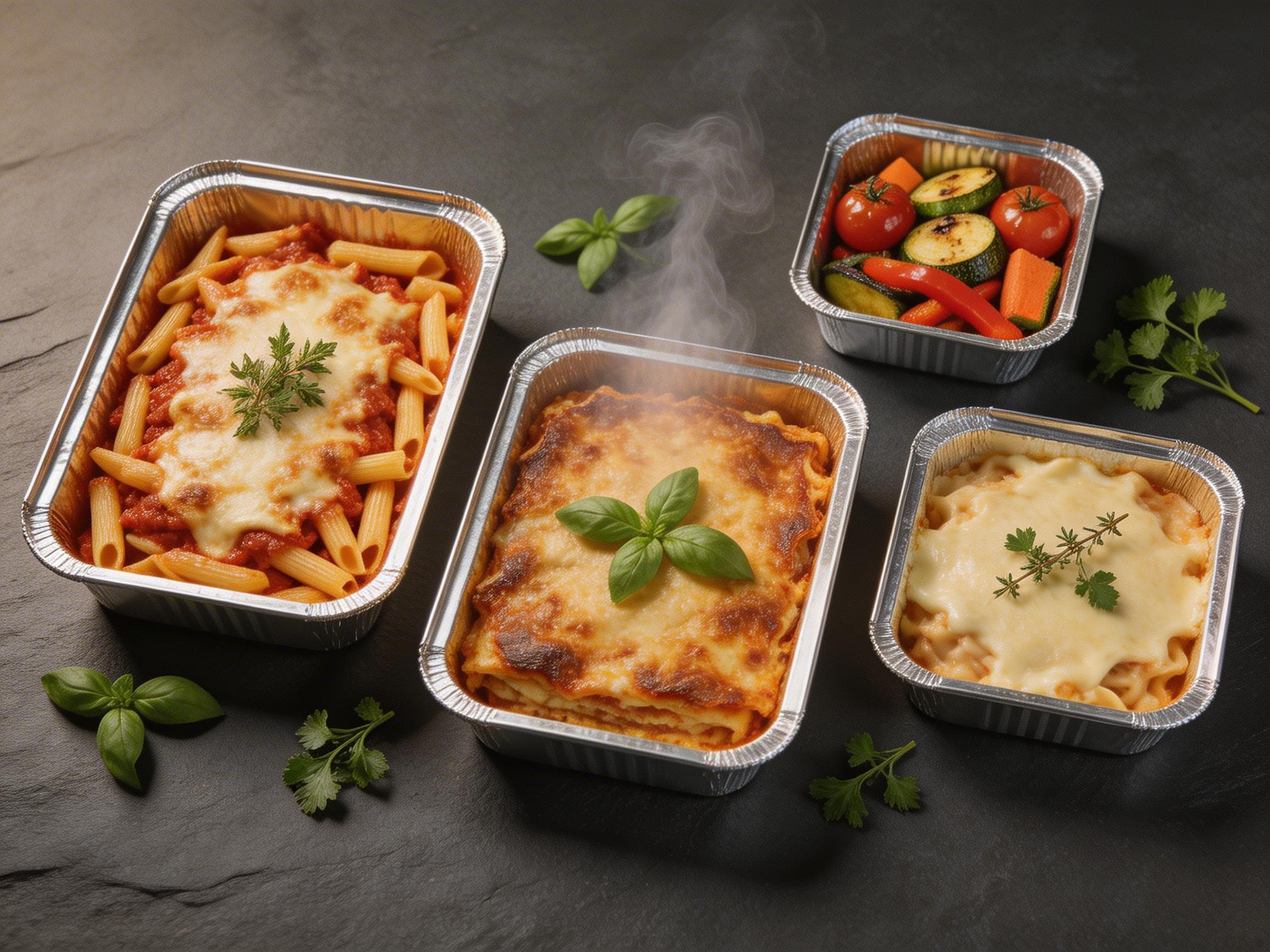
Reheating Food in Aluminium Foil Trays: A Practical Guide for Food Businesses
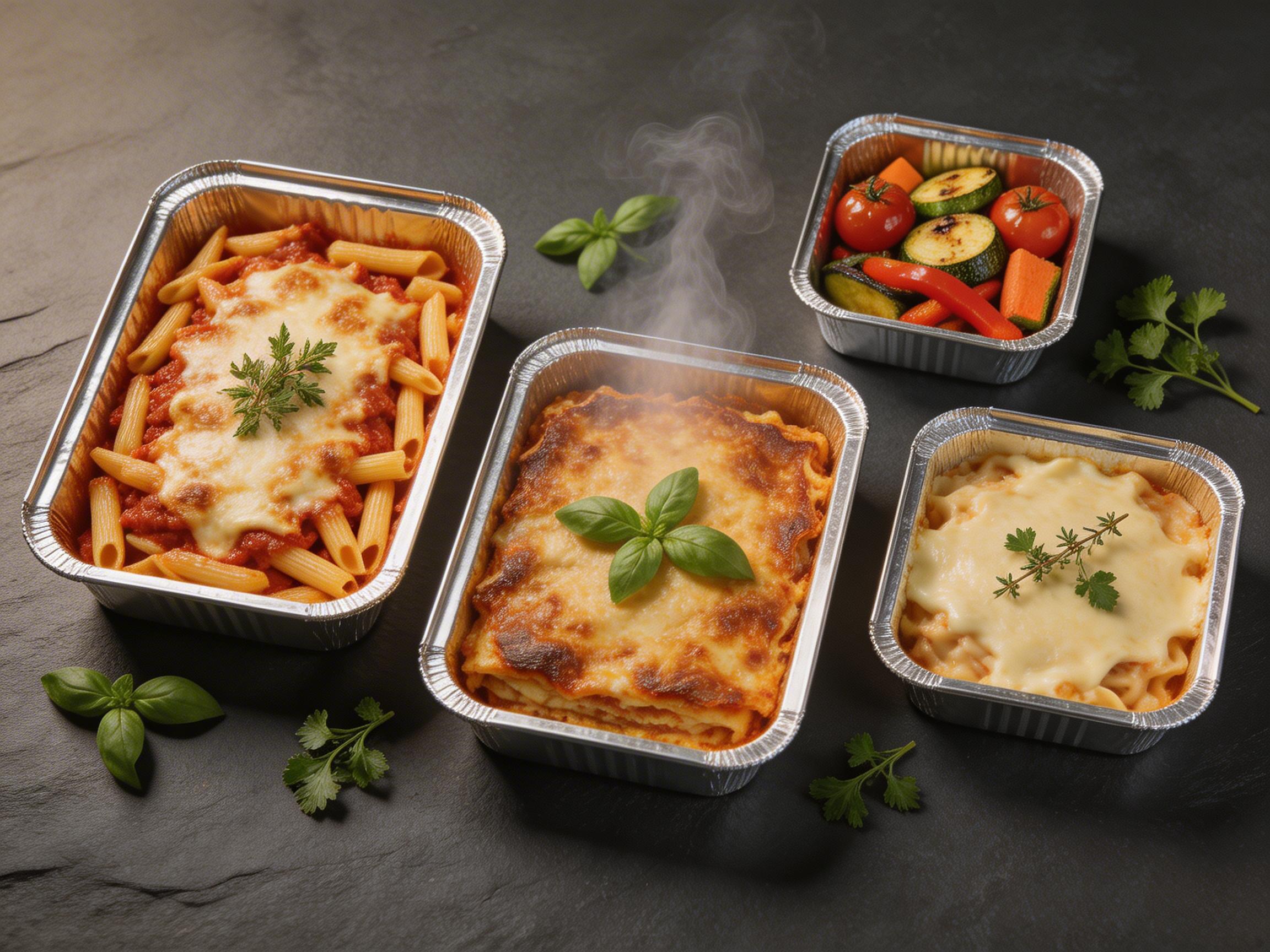
Aluminium foil trays remain one of the most widely used disposable containers across takeaway restaurants, ready-meal producers, catering companies, and meal-prep brands. Their ability to go from cold storage straight into a hot oven makes them especially convenient for operations that prepare, chill, and reheat food in volume. But if you are sourcing foil containers for your customers — or using them in your own kitchen — it is worth understanding exactly how they behave under heat, which safety considerations matter, and where common mistakes lead to waste or complaints.This guide walks through the essentials of reheating food in aluminium foil trays, with a focus on what food businesses and packaging buyers need to know.
How Foil Trays Perform Under Heat
Oven Reheating
Aluminium is an excellent thermal conductor. When a foil tray is placed in a conventional or fan oven, heat transfers quickly and evenly through the container walls and base. This makes foil trays well suited for reheating dishes that benefit from consistent, surround heat — think lasagne, shepherd's pie, roasted vegetables, or baked pasta.Most standard aluminium foil containers are rated for conventional oven use up to around 220 °C (430 °F). Heavy-duty variants with thicker gauges can tolerate even higher temperatures. The key is to match the tray specification to your intended cooking environment. If your operation regularly reheats at high temperatures, specifying a heavier-gauge tray during sourcing avoids warping and leakage mid-service.
Microwave Reheating
This is where confusion often arises. Standard aluminium foil trays are not designed for microwave use in most circumstances. Placing a non-microwave-safe foil container in a microwave can cause arcing — visible sparks that may damage the appliance and pose a fire risk.However, some foil trays are specifically engineered and tested to be microwave-safe. These typically feature smooth, rounded edges and a design geometry that minimises the risk of arcing. If microwave reheating is important to your end users — for example, office workers reheating a lunchtime meal — then sourcing microwave-safe foil containers is a deliberate specification choice, not something to assume.Always verify the microwave-safe claim with your supplier and look for relevant testing documentation. At TakeawayPack, we help buyers confirm the right product specification before committing to a production run, so you are not left with containers that cannot be used the way your customers expect.
Best Practices for Reheating in Foil Trays
Choose the Right Gauge for the Job
Foil trays come in a range of thicknesses, typically measured in microns. Lighter gauges (around 40–45 microns) work for cold or ambient foods, but if reheating is the primary use case, look at 60-micron or heavier options. Thicker trays resist deformation in the oven and are less likely to buckle under the weight of dense foods like rice dishes or stews.
Match Lid Material to the Reheating Method
The tray itself may be oven-safe, but what about the lid? Aluminium lids are generally oven-safe at moderate temperatures. Board or plastic film lids are not. If your customers plan to reheat with the lid on (to retain moisture), you need to supply aluminium lids or ensure clear usage instructions are printed on the packaging. This is an area where custom printing on the tray or an attached label can add real value.
Consider Coated Options for Acidic Foods
Plain aluminium can react with highly acidic foods — tomato-based sauces, citrus marinades, or dishes with high salt content — especially during extended heating. Over time, this reaction may cause pitting on the tray surface and can affect the food's taste. Coated or lacquered foil trays provide a barrier layer that prevents direct contact between the aluminium and the food. If your product range includes ready meals with acidic sauces, coated containers are a sensible specification.
Avoid Damaged or Dented Trays
A dented foil tray may seem like a minor cosmetic issue, but in practice it can lead to leaks, uneven heating, or structural failure in the oven. Quality control at the production stage is important here. At TakeawayPack, we include visual inspection and structural checks as part of our standard pre-shipment quality process, because consistently intact trays reduce complaints and returns downstream.
Do Not Overheat
Even though aluminium handles heat well, prolonged exposure to very high temperatures can degrade the container and — in extreme cases — cause aluminium migration into food beyond recommended limits. For most reheating applications, 160–190 °C for 20–30 minutes is a practical range. Providing recommended reheating instructions on your finished product packaging helps end users follow safe practices.
Common Mistakes to Avoid
Using Standard Foil Trays in Microwaves
Unless the tray is explicitly rated and labelled as microwave-safe, keep it out of the microwave. This remains the single most common source of customer complaints linked to foil containers. If your market includes a high proportion of microwave users, consider offering a dual-format product range: foil trays for oven reheating and a compatible polypropylene or bagasse option for microwave use.
Long-Term Food Storage in Foil Trays
Foil trays are designed for transport and short-term reheating, not extended storage. Storing food in aluminium containers for days or weeks — especially in the presence of salt, vinegar, or acidic ingredients — increases the risk of aluminium leaching. For businesses offering meal-prep or ready-meal products with a shelf life of several days, advise end users to transfer contents to a glass or ceramic container for storage, then reheat in the foil tray only when ready to eat.
Mixing Incompatible Foods
As mentioned, highly acidic or very salty foods can interact with bare aluminium. If your ready-meal line includes dishes like lemon chicken, pickled vegetables, or salt-cured fish, opt for coated foil trays or switch to an alternative material for those specific SKUs.
Reusing Disposable Foil Trays
The clue is in the name — disposable foil trays are built for single use. Repeated heating and cooling cycles thin the metal, increase the risk of tearing, and reduce food safety integrity. If your customers want a reusable option, steer them toward multi-use aluminium containers with thicker walls and rolled edges.
Sourcing Considerations for Packaging Buyers
When procuring aluminium foil trays for resale or internal use, keep these factors in mind:
- Size range: Offer a variety of sizes (from single-portion to family-size) to cover different menu items and price points.
- Lid compatibility: Ensure the lid type (aluminium, board, or film) matches the expected reheating method.
- Coating options: Plain trays cost less, but coated trays open up more menu possibilities and reduce compatibility complaints.
- Custom printing: Branded foil trays or lids reinforce your customer's brand identity at the point of consumption. TakeawayPack supports custom printing with flexible minimum order quantities, making it accessible for smaller food businesses.
- Certification and testing: Request relevant food-contact safety documentation (such as EU Regulation 1935/2004 compliance for European markets or FDA correspondence for the US). This protects both you and your downstream customers.
- Mixed sourcing: If you are building a catalogue that includes foil trays alongside paper cups, takeaway boxes, and cutlery, working with a single sourcing partner simplifies logistics. TakeawayPack supports mixed-product orders and consolidated shipments, which helps distributors manage inventory more efficiently.
Conclusion
Aluminium foil trays are a reliable, versatile choice for reheating food — when used correctly. The main considerations are straightforward: use the right tray gauge, match the lid to the reheating method, choose coated options for acidic foods, and keep standard foil trays out of microwaves unless they are specifically rated for it.For food businesses and packaging distributors, getting these details right at the sourcing stage prevents problems further down the supply chain. Whether you need standard foil containers for high-volume takeaway operations or custom-branded options for a premium ready-meal range, TakeawayPack can help you specify, sample, and source the right products.Ready to discuss your foil tray requirements? Contact us at info@takeawaypack.com to request samples or talk through your product specifications.