Premium Paper Bags with Handles: A Sourcing Guide for Luxury Brands and Hospitality Groups
When a customer walks out of your store or restaurant carrying a well-crafted paper bag, that bag becomes a mobile advertisement. It travels through shopping centres, high streets, and office lobbies — quietly communicating your brand's identity, values, and attention to detail. For luxury retailers, boutique cafés, and upscale hospitality brands, the paper bag is far more than a container. It is part of the customer experience.Choosing the right paper bag with handles — especially at volume and across international supply chains — requires careful thought about materials, handle types, print quality, and supplier reliability. This guide walks buyers through the key decisions, with practical advice for importers, distributors, and brand procurement teams sourcing from manufacturers.
Why Paper Bag Quality Matters for Premium Brands
A cheap, flimsy bag undermines the premium positioning you have worked hard to build. Customers notice paper weight, print clarity, handle comfort, and structural integrity. A bag that tears on the walk to the car, or one with misaligned printing, sends the wrong message.Conversely, a bag that feels substantial in the hand — with crisp graphics, clean edges, and a comfortable handle — reinforces quality perception every time it is carried in public. For hospitality groups offering retail products, bakeries packaging gift items, or hotel chains providing in-room amenities, the same principles apply.Beyond aesthetics, there are practical considerations: Will the bag hold its shape during delivery? Can it support the weight of your products? Is it made from materials your customers will feel good about? These questions matter at the sourcing stage, not after delivery.
Understanding Handle Types and Their Applications
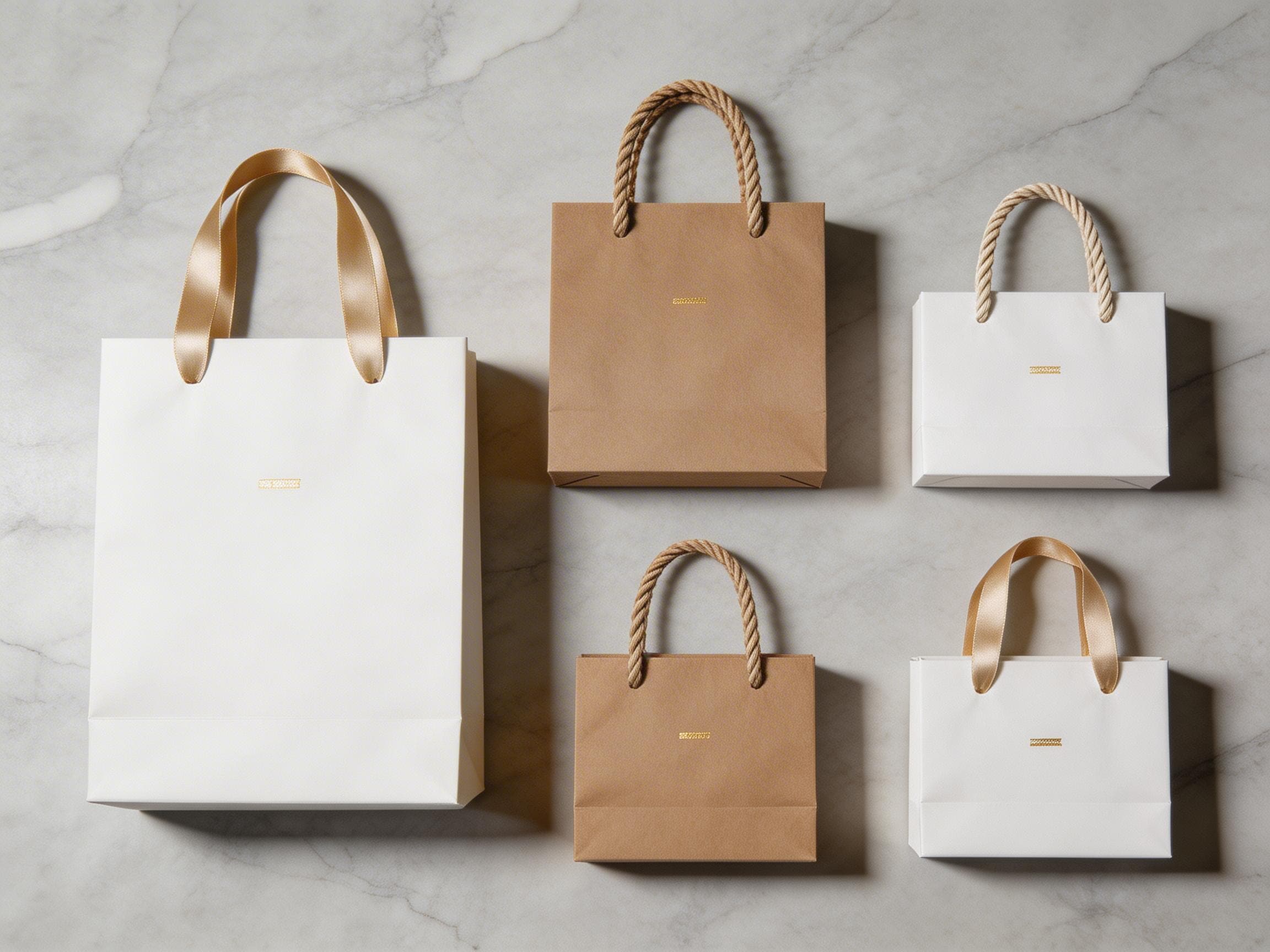
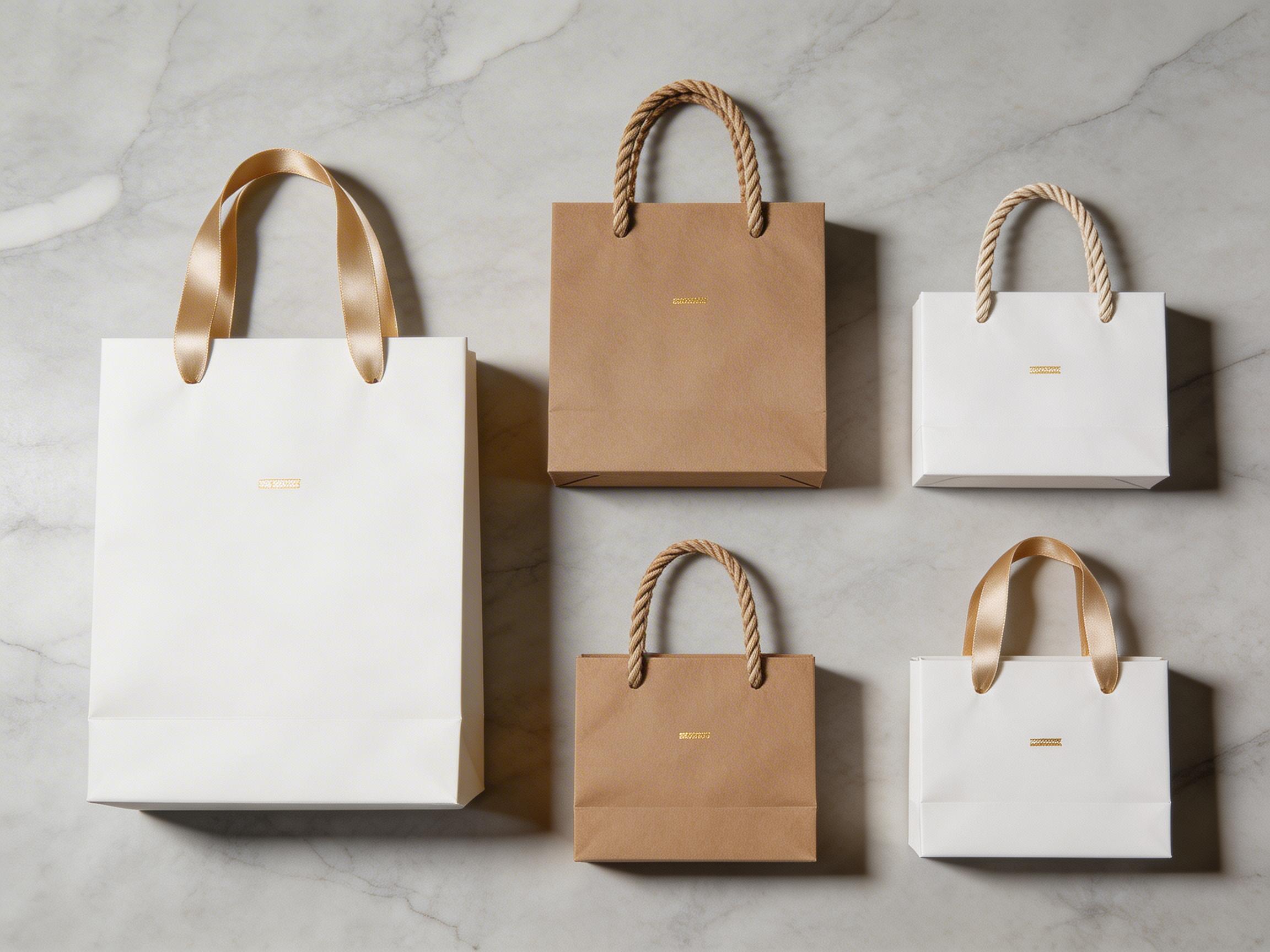
The handle is one of the first things a customer interacts with, and it shapes their overall impression of the bag. Different handle styles suit different use cases, product weights, and brand aesthetics. Here is a breakdown of the most common options available from packaging manufacturers:
Rope Handles
Rope handles are strong, comfortable to grip, and easy to customise in colour and thickness. They are a versatile choice used across fashion, hospitality gifting, and premium food retail. Rope-handled bags tend to have a structured, box-shaped bottom, which gives them a clean silhouette on shelving and display racks. For bulk orders, rope handles are cost-effective at scale and work well with both coated and uncoated kraft paper.
Ribbon Handles
Ribbon handles convey softness and elegance. They are especially popular for gift bags, seasonal promotions, and luxury product launches. Satin or grosgrain ribbon adds a tactile element that customers associate with high-end packaging. If your brand operates in the confectionery, cosmetics, or boutique gift space, ribbon handles are worth considering — though they are best suited to lighter product weights.
Twisted Paper Handles
Twisted paper handles are the workhorse of the paper bag world. They are economical, fully recyclable, and available in a wide range of colours. For cafés, bakeries, and takeaway brands that need large volumes of branded bags at a manageable price point, twisted handles offer a strong balance between cost and presentation. They pair well with kraft and white art paper bags.
Folded Paper Handles
Folded (or flat) paper handles offer a cleaner, more minimalistic look compared to twisted handles. They are glued flat to the inside of the bag top, creating a neat appearance. This style suits brands going for a natural, understated aesthetic — organic food shops, zero-waste stores, and eco-conscious cafés often prefer this option.
Die-Cut Handles
Die-cut handles are formed by cutting holes directly into the reinforced top of the bag. No additional material is attached, which keeps production simple and material use low. They are best for lightweight items such as clothing, magazines, or small retail products. Many fashion and lifestyle brands favour die-cut bags for their clean lines and modern appearance.
Cotton Handles
Cotton handles combine the soft feel of ribbon with the strength of rope. They are a premium option often chosen for luxury gift packaging, hotel welcome bags, and high-end retail. Cotton handles are durable and can be custom-dyed to match specific brand colours, making them a good fit for brands where colour consistency is critical.
Paper Materials and Weights: What to Specify
The body of the bag is just as important as the handle. Here are the main material choices buyers encounter when sourcing paper bags:
- Kraft paper (brown or bleached white): A natural, eco-friendly option popular with sustainability-focused brands. Brown kraft has a rustic look; white kraft offers a cleaner canvas for printing.
- Coated art paper: Provides a smooth surface for sharp, vibrant printing. Available in matte or gloss finishes. Ideal when your brand relies on detailed graphics or photographic print quality.
- Cardboard / rigid board: Used for premium rigid boxes with handles rather than flexible bags. These are the structured, gift-box-style carriers seen in luxury fashion and jewellery.Paper weight (measured in GSM — grams per square metre) determines thickness and durability. Lightweight bags for small retail items might use 120–150 GSM paper, while heavier-duty bags for bottles, jars, or multi-item orders typically use 200+ GSM. When placing custom orders, always confirm GSM specifications with your supplier and request physical samples before committing to production.
Customisation Options for Brand Differentiation
For brands ordering at scale, customisation is where a generic bag becomes a brand asset. Key options to discuss with your packaging supplier include:
- Full-colour offset or flexographic printing for logos, patterns, and imagery
- Spot UV, embossing, or foil stamping for premium tactile finishes
- Custom PMS colour matching to ensure brand colour accuracy
- Interior printing — many brands print patterns or messages on the inside of the bag for a surprise element when opened
- Custom handle colour and material to coordinate with the bag design
- Variable sizes within a single production run to accommodate different product categoriesAt TakeawayPack, we support flexible minimum order quantities and can accommodate mixed-size orders within a single custom print run. This means a café chain, for example, can order small, medium, and large bags with the same branding in one shipment — reducing per-unit costs and simplifying logistics.
Sustainability Considerations
Paper bags are widely perceived as the more sustainable alternative to single-use plastic bags, but not all paper bags are equal from an environmental standpoint. Buyers evaluating suppliers should consider:
- Whether the paper is sourced from responsibly managed forests (FSC or PEFC certification)
- Whether inks used are soy-based or water-based rather than solvent-based
- Whether laminates or coatings are biodegradable or compostable
- Whether the handle material is compatible with the bag's end-of-life pathway (e.g., a fully recyclable kraft bag with a cotton handle may require separation before recycling)These details matter increasingly to end customers and can influence purchasing decisions. For distributors selling to eco-conscious hospitality clients, being able to document the sustainability profile of your paper bag range is a competitive advantage.
Practical Tips for Importers and Procurement Teams
Sourcing paper bags internationally involves more than choosing materials and handles. Here are operational considerations that affect cost, lead time, and quality:
Request Pre-Production Samples
Always approve a physical sample before full production begins. Digital proofs are useful for layout, but they cannot convey paper weight, colour accuracy under different lighting, handle comfort, or structural strength. A reliable supplier will provide sample bags — often at minimal cost — for your sign-off.
Clarify Packaging and Shipping Details
Paper bags are bulky relative to their weight. Discuss flat-packing versus pre-formed options, pallet configuration, and container loading plans with your supplier. Efficient packing reduces freight costs and damage rates.
Plan for Lead Times
Custom-printed paper bags typically require 15–30 days from artwork confirmation to production completion, plus shipping time. Stock (unprinted) options can ship faster. For seasonal campaigns — such as holiday gift bags or summer promotions — plan orders at least 6–8 weeks ahead.
Consolidate Orders Across Product Lines
If your business sources multiple packaging categories — cups, containers, cutlery, and bags — consolidating orders with a single supplier can reduce logistics complexity and unlock better pricing through mixed-container loading. TakeawayPack supports mixed-product sourcing, allowing buyers to combine paper bags with other disposable packaging items in one shipment.
Quality Checks Before Shipment
Insist on pre-shipment inspection. Check print alignment, colour consistency, handle attachment strength, glue quality, and dimensional accuracy. Random sampling from the production batch is standard practice and catches issues before goods leave the factory.
Wrapping Up
The right paper bag with handles does more than carry a product — it extends your brand into the physical world, creates a tactile impression, and signals quality to everyone who sees it. For importers, distributors, and hospitality procurement teams, the key is to source with intention: specify the right materials, choose handles that suit your products and customers, invest in print quality, and work with suppliers who can deliver consistency at scale.Whether you need small-volume custom bags for a boutique café launch or large-volume branded bags for a nationwide retail chain, working with an experienced packaging sourcing partner makes the process more predictable and the results more polished.Looking for a packaging partner that can handle custom paper bags alongside your full range of disposable packaging? Get in touch with TakeawayPack to discuss your requirements, request samples, and explore flexible sourcing options tailored to your brand.