Matching Aluminum Foil Containers to Food Types: A Practical Sourcing Guide
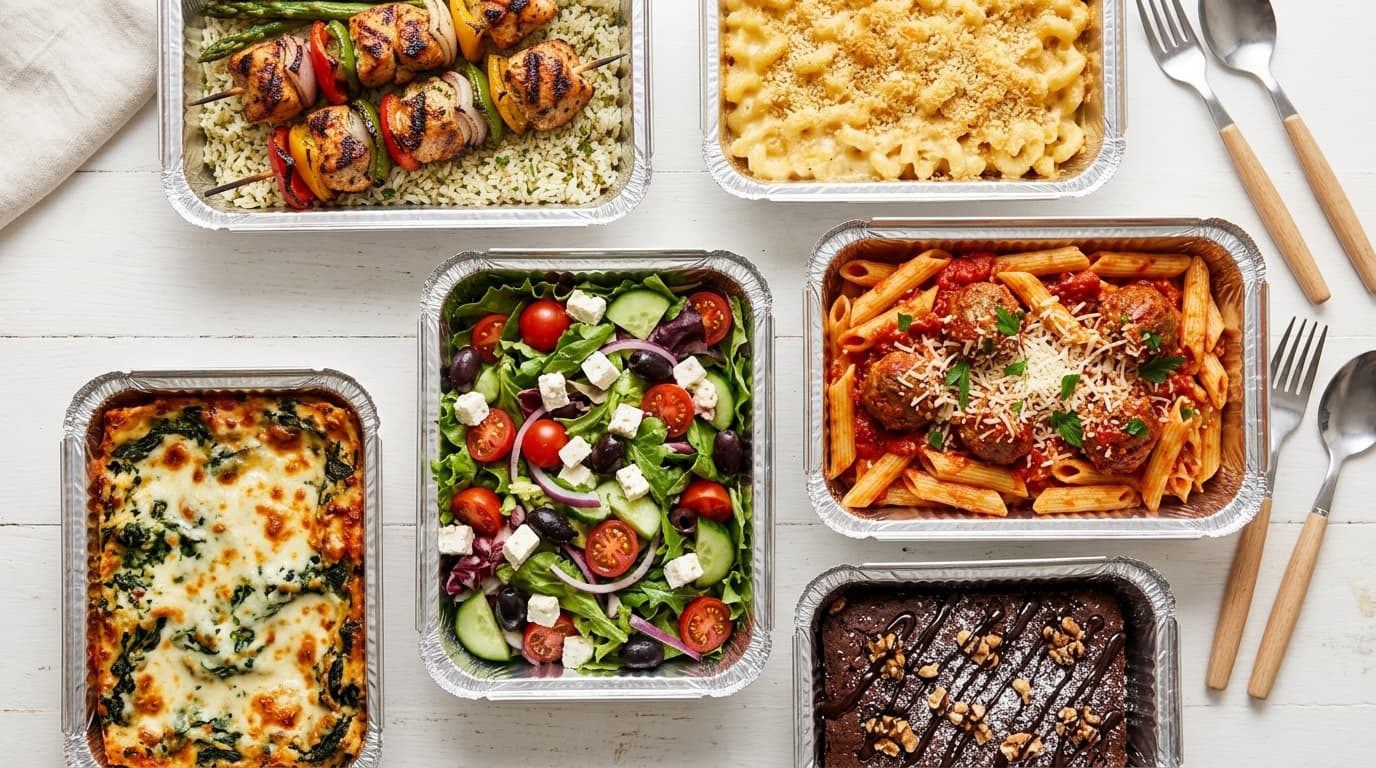
Aluminum foil containers are among the most versatile packaging options available to the food service industry. From bakery outlets and restaurant chains to meal-prep brands and catering companies, foil trays serve an incredibly wide range of applications — hot meals, cold salads, oven-ready dishes, frozen products, and delivery orders alike. For importers, distributors, and food-service operators sourcing packaging at scale, choosing the right foil container for each food type is not just about presentation. It directly affects food safety, transport integrity, customer satisfaction, and ultimately repeat business. This guide walks through the key considerations for matching aluminum foil containers to different food categories — with a focus on what matters most when buying in bulk.
Why Foil Containers Remain a Staple in Food Service
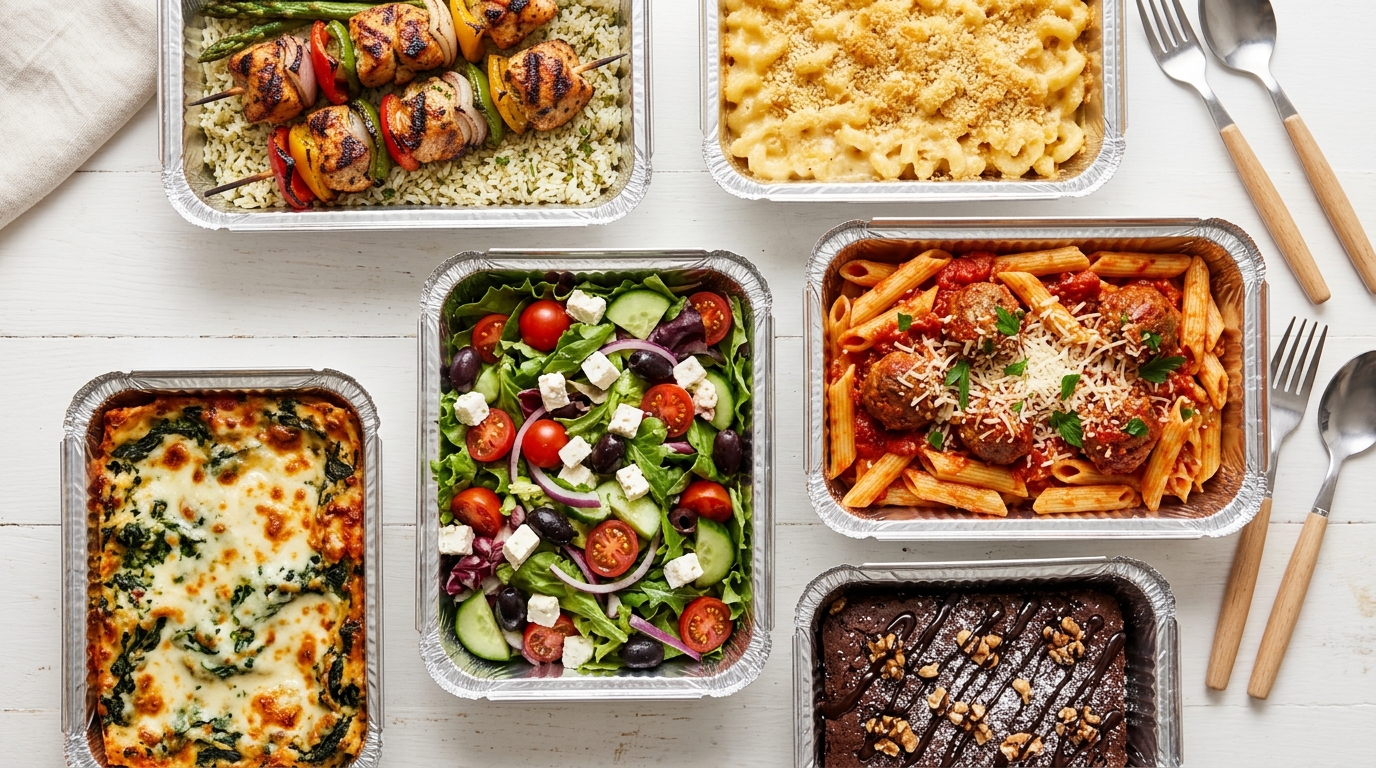
Aluminum foil containers have been used in commercial food packaging for decades, and for good reason. They offer a combination of properties that few other materials can match simultaneously:
- Heat retention — foil reflects radiant heat, helping hot food stay warmer for longer during delivery and display.
- Oven-to-table convenience — many foil trays can go directly from the oven to the customer, reducing handling and saving time.
- Grease and moisture resistance — foil acts as a barrier against oils and liquids, preventing leaks and soggy packaging.
- Recyclability — aluminum is one of the most recyclable materials on the planet, which is increasingly important as food brands respond to sustainability expectations.
- Versatility — available in a wide range of shapes, depths, and wall gauges, foil containers can accommodate nearly any menu item. For bulk buyers, this versatility means you can consolidate your packaging sourcing — ordering multiple container formats from a single supplier — which simplifies logistics and often reduces per-unit costs.
Matching Container Types to Food Categories
Not all foil containers are created equal. The right choice depends on what you are packing. Below is a practical breakdown by food type.
Hot Meals and Roasted Dishes
Hot mains — think roast chicken, lasagna, curries, and rice plates — are probably the most common application for aluminum foil containers. For these, the priority is heat retention and structural rigidity. Recommended specs:
- Heavy-duty foil gauge (typically 45–55 micron wall thickness)
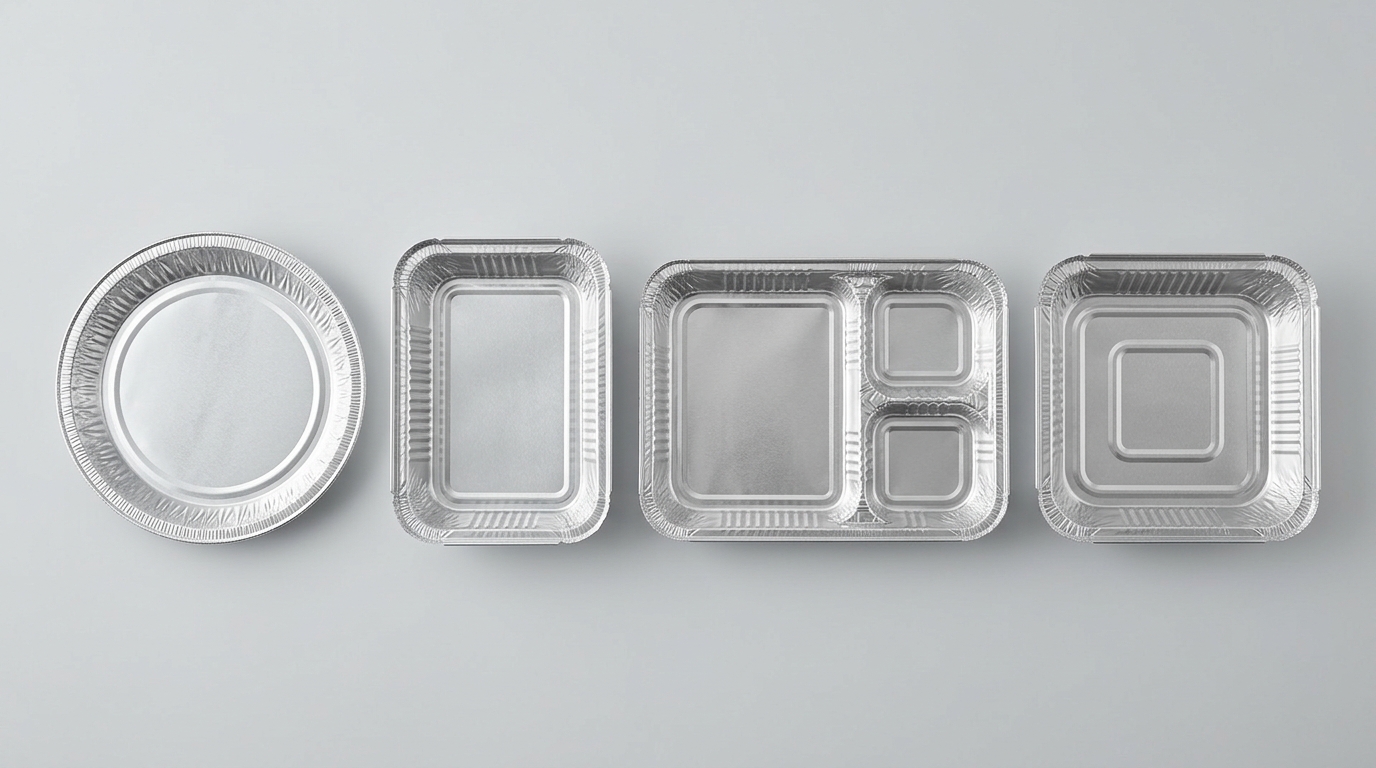
- Deep-wall rectangular or oval trays
- Tight-fitting foil board or aluminum lids
- Oven-safe rating if reheating is expected Heavy-duty containers prevent warping when filled with heavy or dense foods. A snug lid is essential for delivery, where temperature and spill prevention are critical.
Baked Goods and Oven-Ready Items
Bakeries and ready-meal producers often use foil containers that go directly into the oven. Think pie dishes, quiche trays, and ready-to-bake meal kits. Recommended specs:
- Round or oval shallow trays
- Smooth-wall or pleated-wall construction
- No coating needed if food is in direct oven contact (aluminum is naturally oven-safe)
- Compatible with transparent dome lids for retail display For baked goods, presentation matters. Smooth-wall containers give a cleaner, more professional look on the shelf.
Takeaway and Delivery Orders
Delivery packaging needs to survive transport — bumps, tilts, and stacking in bags. Foil containers are ideal because they are lightweight yet rigid, and when paired with the right lid, they seal securely. Recommended specs:
- Medium-weight containers (30–40 micron) for cost efficiency at volume
- Board lids with a foil laminate for a secure seal
- Compartment trays for multi-item meals (e.g., meat, rice, vegetables separated)
- Stackable shapes for efficient bag packing Compartment trays deserve special attention. They prevent flavor transfer between items, improve presentation, and reduce the need for multiple separate containers — which cuts both packaging cost and waste.
Cold Foods and Salads
While foil is most associated with hot food, it works well for cold dishes too. Aluminum does not absorb odors or flavors, making it suitable for salads, fruit, and deli items. Recommended specs:
- Lightweight foil trays with clear PET lids for product visibility
- Shallow profiles for salad bowls and fruit portions
- Leak-resistant base for dressings and sauces Clear lids are especially valuable for grab-and-go retail settings where customers choose based on visual appeal.
Frozen and Chilled Products
Aluminum foil containers perform well in freezer conditions. They do not become brittle at low temperatures, and they can transition directly from freezer to oven in many cases — a major convenience for frozen meal brands. Recommended specs:
- Heavy-gauge containers to withstand expansion during freezing
- Tight-sealing lids to prevent freezer burn
- Compatible with snap-on plastic lids for added security during long-term storage
Key Specifications to Consider When Sourcing
When evaluating foil container suppliers for bulk purchase, these are the technical factors worth comparing:
| Specification | Why It Matters |
| **Wall gauge (micron)** | Determines rigidity and heat retention. Heavier gauge = more durable but higher cost. |
| **Container shape** | Rectangular for mains, round for pies/desserts, oval for roasts, compartment for multi-item meals. |
| **Lid type** | Foil board lids (heat retention), clear PET lids (visibility), snap-on plastic lids (freezer/chill). |
| **Oven-safe rating** | Critical if containers will be used for reheating or baking. Confirm with supplier. |
| **Coating** | Some containers have a lacquer coating for acidic foods. Specify if needed. |
| **Stackability** | Nestable containers reduce storage space and shipping costs. |
| **MOQ flexibility** | Important for trialing new formats or smaller menu items. |
Getting these specifications right at the sourcing stage prevents issues down the line — from customer complaints about flimsy trays to unexpected costs from over-specified packaging.
Customization and Branding Opportunities
For food brands that want packaging to reflect their identity, aluminum foil containers offer several customization paths:
- Printed foil board lids — logos, brand colors, and care instructions can be printed directly on the lid surface.
- Embossed base designs — subtle branding on the container base adds a premium feel without increasing cost significantly.
- Custom sizes — if your menu includes a unique portion size, custom tooling can be arranged, often with a reasonable MOQ.
- Color-matched lids — coordinate lid colors with your brand palette for a cohesive look across all packaging. At TakeawayPack, we work with importers and food-service brands to develop custom foil packaging solutions — from printed lids to tailored container dimensions. Our flexible MOQ approach means you can start with smaller quantities for testing before scaling up.
Quality Assurance in Foil Container Supply
Sourcing packaging from overseas suppliers requires a structured quality process. Here are the checkpoints that matter most for aluminum foil containers:
- Material certification — confirm the aluminum alloy and food-contact compliance for your target market (e.g., EU, FDA, GCC standards).
- Gauge consistency — wall thickness should be uniform across production batches. Request samples from different production runs.
- Lid fit testing — poor lid fit is one of the most common complaints. Test seal integrity with your actual food product.
- Surface finish — check for scratches, dents, or contamination that could affect food safety or presentation.
- Pre-shipment inspection — a random quality check before container loading catches defects before they become your problem. TakeawayPack includes pre-production sampling, artwork verification, production follow-up, and pre-shipment inspection as part of our standard process for foil container orders. This is especially important for first-time orders with new specifications.
Making the Right Choice at Scale
Choosing aluminum foil containers for different food types comes down to understanding your menu, your logistics, and your brand requirements. A one-size-fits-all approach rarely works — most food-service businesses need two or three container formats to cover their range. For buyers sourcing at volume, the key is working with a supplier that can offer variety, support customization, maintain consistent quality, and deliver on flexible terms. That is exactly what TakeawayPack provides: a broad range of foil container options, custom branding capabilities, manageable MOQs, and end-to-end quality control — backed by export experience across the Middle East, Europe, North America, and Southeast Asia. Ready to discuss your foil packaging needs? Reach out to the TakeawayPack team at info@takeawaypack.com for samples, quotes, or a custom packaging plan tailored to your menu and market.