How to Choose Food Packaging for Export: A 2025 Sourcing Guide
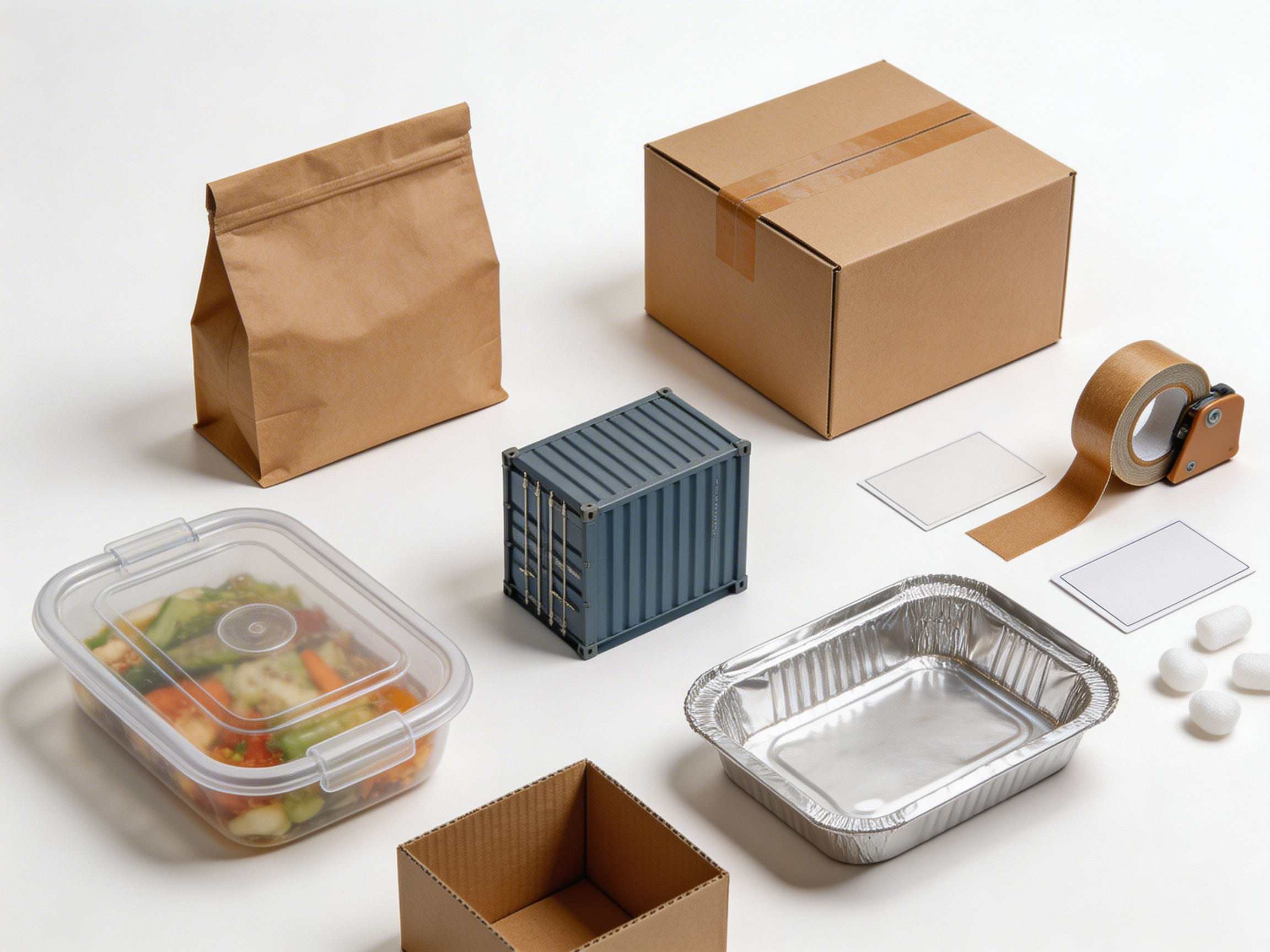
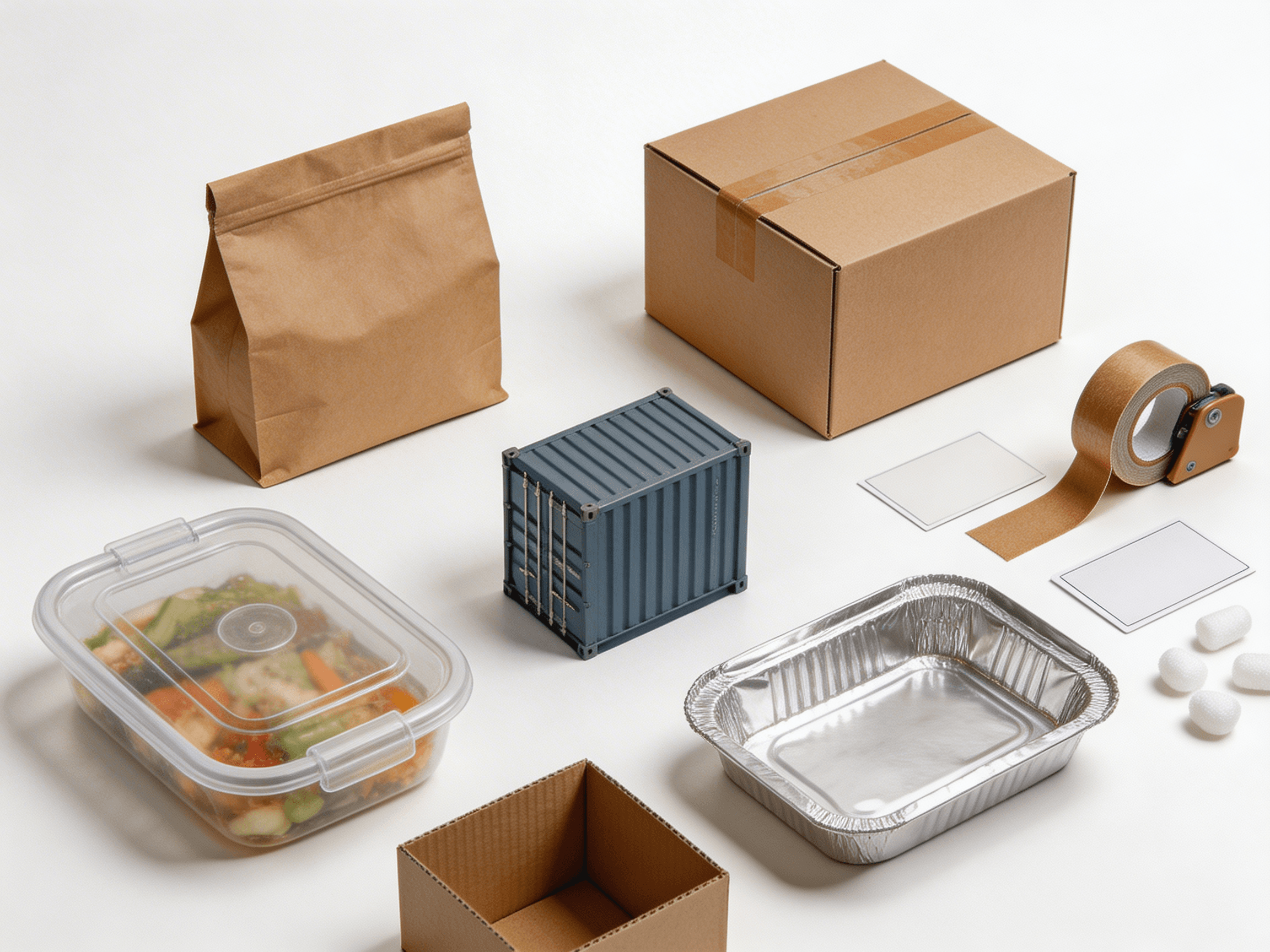
Selecting the right food packaging is one of the most consequential decisions for restaurants, cafes, cloud kitchens, and food distributors. The packaging you choose affects not only product protection and shelf life but also customer perception, operational costs, and regulatory compliance. For businesses sourcing packaging for export or large-scale operations, understanding the material landscape and supplier capabilities is essential. This guide outlines the key packaging categories, their practical applications, and what to evaluate when selecting a supply partner.
Understanding Your Packaging Material Options
Each packaging material offers distinct performance characteristics. The right choice depends on your food type, distribution method, storage requirements, and brand positioning.
Plastic Containers (PP, PET, PS)
Plastic remains the most versatile and widely used packaging material for foodservice applications. Polypropylene (PP) offers excellent heat resistance for hot foods, while PET provides crystal-clear visibility for cold items and deli products. Key advantages:
- Lightweight and durable for transportation
- Excellent moisture and oxygen barriers
- Microwave-safe options available (PP)
- Cost-effective for high-volume operations Considerations:
- Regulatory restrictions on single-use plastics in many markets
- Recycling infrastructure varies by region
- Temperature limitations for certain polymers
Bagasse (Sugarcane Fibre)
Bagasse has emerged as a leading sustainable alternative to foam and plastic containers. Made from sugarcane processing byproducts, this material is molded into rigid containers using heat and pressure. Key advantages:
- Fully compostable under industrial conditions (EN 13432 certified)
- Heat-resistant up to 200°C—microwave and oven safe
- Breathable properties reduce condensation for hot foods
- Made from renewable agricultural waste Considerations:
- Higher per-unit cost than plastic
- Requires industrial composting facilities for full biodegradation
- Limited moisture resistance without additional coating
Aluminium Foil Containers
Aluminium remains the material of choice for heat retention, oven compatibility, and premium presentation. Foil containers are widely used for ready meals, baked goods, and catering applications. Key advantages:
- Excellent thermal conductivity—ideal for reheating
- Complete barrier against light, oxygen, and moisture
- Oven-safe and freezer-compatible
- Infinitely recyclable without quality loss Considerations:
- Cannot be used in microwave ovens
- Higher material cost than plastic
- Deformation risk under mechanical stress
Cardboard and Kraft Paper
Paper-based packaging continues to expand beyond traditional applications. Modern cardboard containers incorporate moisture-resistant coatings while maintaining recyclability. Key advantages:
- Biodegradable and widely recyclable
- Excellent printability for branding
- Lightweight and stackable for efficient shipping
- Consumer perception of sustainability Considerations:
- Limited moisture resistance without plastic/PLA coating
- Structural integrity challenges with greasy foods
- Temperature limitations compared to plastic or aluminium
Key Selection Criteria for 2025
When evaluating packaging options for your business, consider these essential factors:
Food Compatibility and Safety
Ensure your chosen material is approved for food contact and appropriate for your specific food type. Acidic foods, hot oils, and alcoholic beverages may require specific material properties. Verify compliance with FDA, EU 10/2011, or local regulatory standards.
Supply Chain Reliability
For businesses sourcing internationally, supplier stability is critical. Evaluate:
- Production capacity and lead time consistency
- Quality control processes and certification
- Documentation accuracy for customs clearance
- Flexibility for mixed-product orders
- Communication responsiveness
Cost Structure and MOQ
Understand the complete cost profile:
- Unit pricing at different volume tiers
- Tooling costs for custom specifications
- Shipping and logistics expenses
- Import duties and taxes Flexible minimum order quantities (MOQ) allow businesses to test products before committing to large volumes.
Sustainability Positioning
Regulatory requirements and consumer preferences are driving demand for sustainable packaging. Consider:
- Material certifications (FSC, BPI, OK Compost)
- End-of-life pathways for your target markets
- Carbon footprint of production and shipping
- Plastic reduction targets in your industry
Working with an Export-Focused Packaging Partner
For restaurants, distributors, and food brands sourcing packaging internationally, the right supply partner can significantly reduce complexity.
What to Look For
Integrated Sourcing Capability: Partners who can consolidate multiple packaging categories—from cups and containers to cutlery and bags—reduce the administrative burden of managing multiple suppliers. Customization Support: Look for suppliers who offer logo printing, size customization, and colour matching without excessive minimum orders. Quality Assurance: Pre-shipment inspection, sample approval processes, and consistent material specifications protect your business from receiving substandard products. Logistics Coordination: Experienced export partners handle documentation, container loading optimization, and shipping arrangements—critical for businesses without dedicated import teams.
Conclusion
Choosing food packaging in 2025 requires balancing performance, cost, sustainability, and supply chain reliability. The material landscape continues to evolve, with plant-based alternatives gaining market share alongside traditional plastics and aluminium. For businesses sourcing at scale, the supplier relationship is as important as the product itself. Partners who offer flexible ordering, quality consistency, and export expertise enable restaurants, distributors, and food brands to focus on their core operations while maintaining reliable packaging supply. Looking for a packaging partner with export experience and flexible sourcing options? Contact TakeawayPack at info@takeawaypack.com to discuss your requirements—from cups and containers to complete packaging programs for restaurants, cafes, and foodservice distributors.