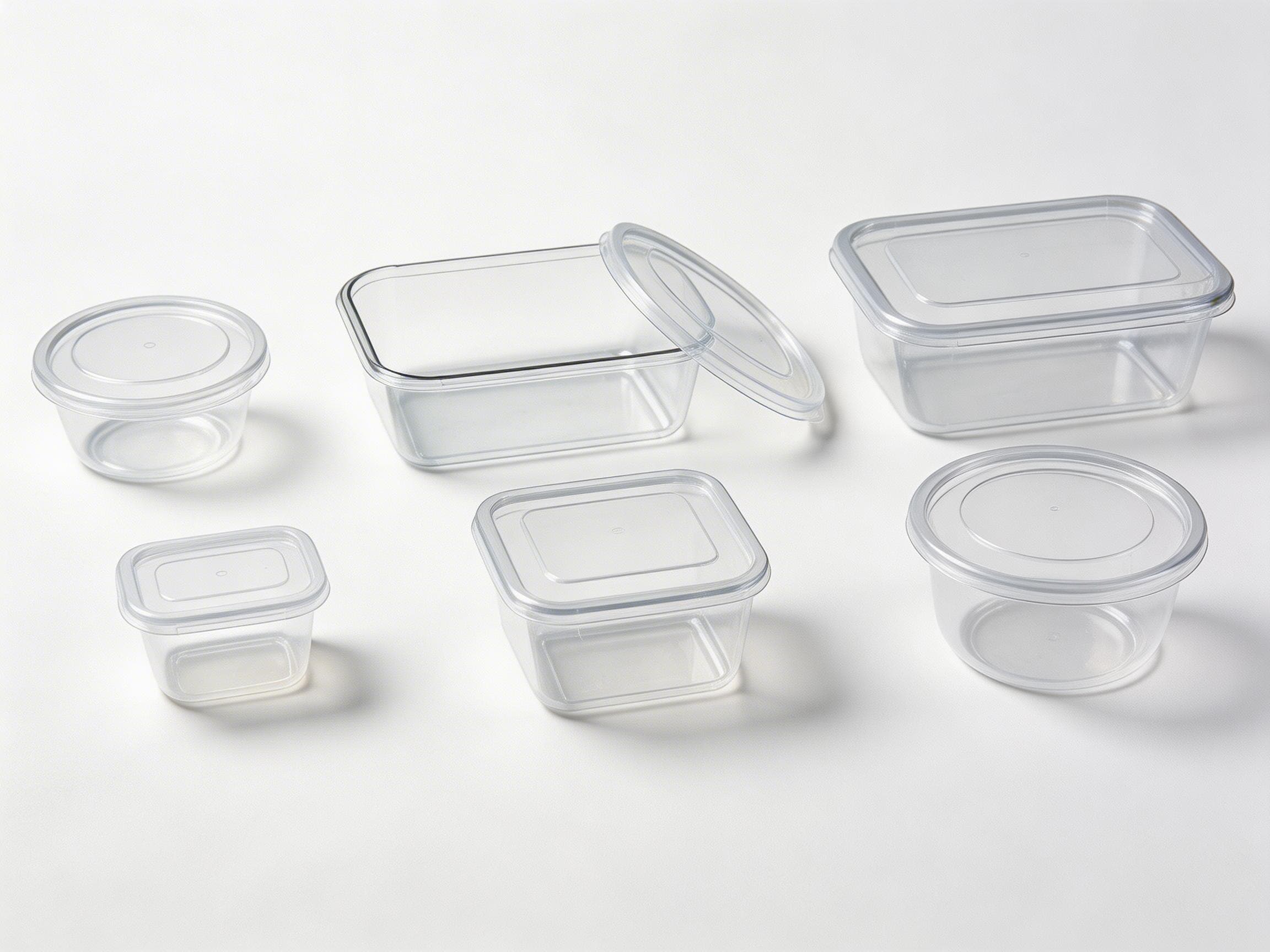
A Sourcing Guide to Plastic Food Containers for Foodservice Businesses
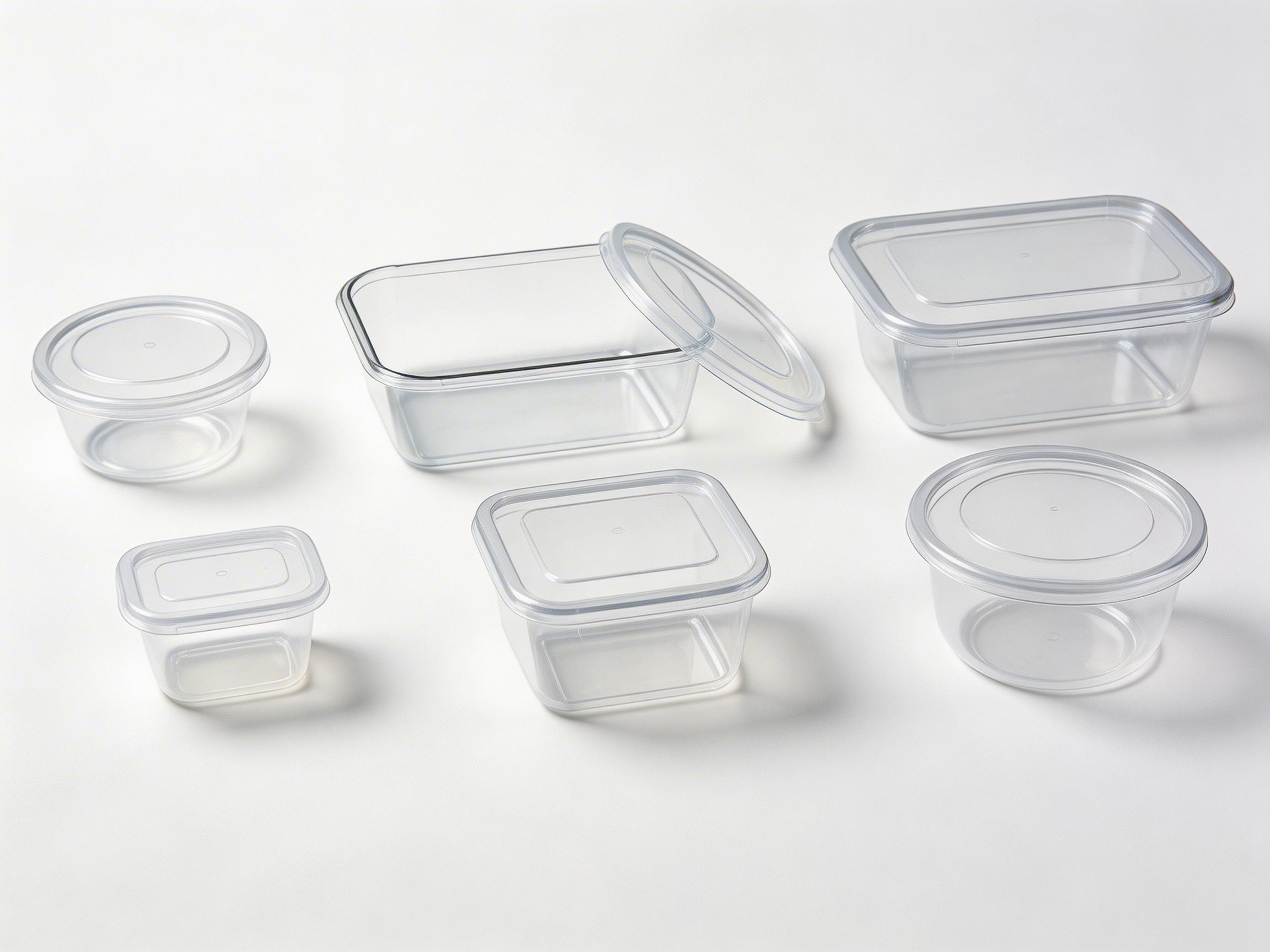
Takeaway containers are a backbone of food-to-go operations. For restaurants, cafes, and food brands serving a high volume of takeout orders, plastic food containers remain one of the most practical choices for maintaining food quality from kitchen to customer. This guide is designed for foodservice operators and procurement teams who are evaluating container options for their takeaway operations. We will walk through the benefits of plastic containers, the most common material types for commercial use, and practical maintenance tips to ensure your packaging inventory performs well throughout the supply chain.
Why Plastic Containers Work for Takeaway Operations
Plastic food containers have remained a staple in the food packaging industry for good reason. They balance cost, performance, and versatility in ways that suit high-volume foodservice environments.
Food Safety and Freshness
Airtight plastic containers protect food from external contaminants while locking in moisture and temperature. For businesses delivering hot meals or pre-packed salads, this barrier helps maintain the quality customers expect from a dine-in experience.
Durability in Transit
Unlike paper-based alternatives, plastic containers resist crushing and tearing during transport. This structural integrity is especially valuable for delivery operations where containers may be stacked or moved multiple times before reaching the customer.
Cost Efficiency at Scale
For operations serving hundreds or thousands of meals daily, plastic containers offer predictable unit economics. The material is lightweight, which helps control shipping costs for bulk inventory orders, and the production process allows for consistent quality at high volumes.
Understanding Plastic Container Materials
Not all plastic containers are the same. The material you choose affects temperature tolerance, food compatibility, and recyclability. Here are the most common options for foodservice applications.
Polypropylene (PP)
Polypropylene is one of the most widely used materials for takeaway containers. It offers good heat resistance, typically safe for microwave use up to around 120°C, making it suitable for hot food applications. PP containers are also dishwasher-safe, which appeals to customers who reuse containers at home.
Polyethylene Terephthalate (PET)
PET is commonly used for cold food containers and clear lids. Its high clarity makes it ideal for displaying salads, desserts, and cold deli items. While PET has lower heat tolerance than PP, it is fully recyclable and widely accepted in municipal recycling programs, which supports sustainability goals.
Polystyrene (PS)
Polystyrene, including expanded polystyrene (EPS), is lightweight and offers good insulation properties. It is often used for hot food containers where maintaining temperature during delivery is critical. However, PS has limited heat resistance for reheating and is less widely recyclable than PP or PET. Many businesses are phasing out PS in favor of more recyclable alternatives.
Choosing the Right Material
When selecting a material, consider your menu temperature requirements, customer recycling expectations, and local regulations. Many operations use a combination of materials, PP for hot food bases and PET for clear cold lids, to optimize performance across the menu.
Maintenance and Storage Best Practices
Proper handling of your plastic container inventory extends shelf life and ensures consistent performance when the containers reach your customers.
Storage Conditions
Store plastic containers in a cool, dry environment away from direct sunlight. UV exposure can degrade plastic over time, causing brittleness or discoloration. Keep containers in their original packaging until use to prevent dust accumulation and handling damage.
Inventory Rotation
Implement first-in, first-out inventory practices for your packaging stock. While plastic containers do not expire in the traditional sense, long-term storage can affect material properties. Rotating stock ensures you are always using containers at their optimal condition.
Handling During Filling
When filling containers in your kitchen operation, avoid overfilling which can stress container seams and compromise lid seals. Train staff to use appropriate portion sizes that leave adequate headspace for lid closure. For hot food applications, allow items to cool slightly before sealing to prevent steam buildup that can weaken containers or create leakage during transport.
Sourcing Considerations for Foodservice Operations
When procuring plastic containers for a high-volume operation, several factors beyond unit price influence the total cost of ownership and operational fit.
Dimensional Consistency
Containers that stack and nest predictably save significant storage space and reduce handling time in busy kitchens. Look for suppliers who can demonstrate consistent manufacturing tolerances across production batches. This consistency also ensures compatibility with automated filling equipment if you use it.
Lid Compatibility and Seal Integrity
The interface between container and lid is a common failure point. Evaluate lid fit across your temperature range, a lid that seals well at room temperature may loosen when exposed to hot food steam or cold condensation. Request samples for real-world testing with your actual menu items before committing to large orders.
Labeling and Branding Options
Many operations benefit from containers that can carry their brand or handling instructions. Inquire about options for custom printing, embossing, or label compatibility. Some suppliers offer in-mold labeling or post-production printing services that can add your logo or recycling instructions directly to the container.
Supply Chain Reliability
For operations that cannot afford packaging stockouts, supplier lead time and order flexibility matter. Understand minimum order quantities, production schedules, and expedited order options. Some suppliers offer consignment inventory or scheduled delivery programs that align with your usage patterns.
Conclusion
Plastic food containers continue to serve a critical role in takeaway and foodservice operations. When selected thoughtfully, they balance food safety, customer convenience, and operational efficiency in ways that support high-volume businesses. The key to success lies in matching container specifications to your specific menu requirements, maintaining proper storage and handling practices, and working with suppliers who can deliver consistent quality at scale. At TakeawayPack, we support foodservice operations with a range of plastic container options designed for commercial kitchens, takeaway shops, and delivery-focused restaurants. Our team works with you to identify the right materials, sizes, and configurations for your operation, with flexible ordering options that align with your volume needs. To discuss your container requirements or request samples for evaluation, contact us at info@takeawaypack.com.