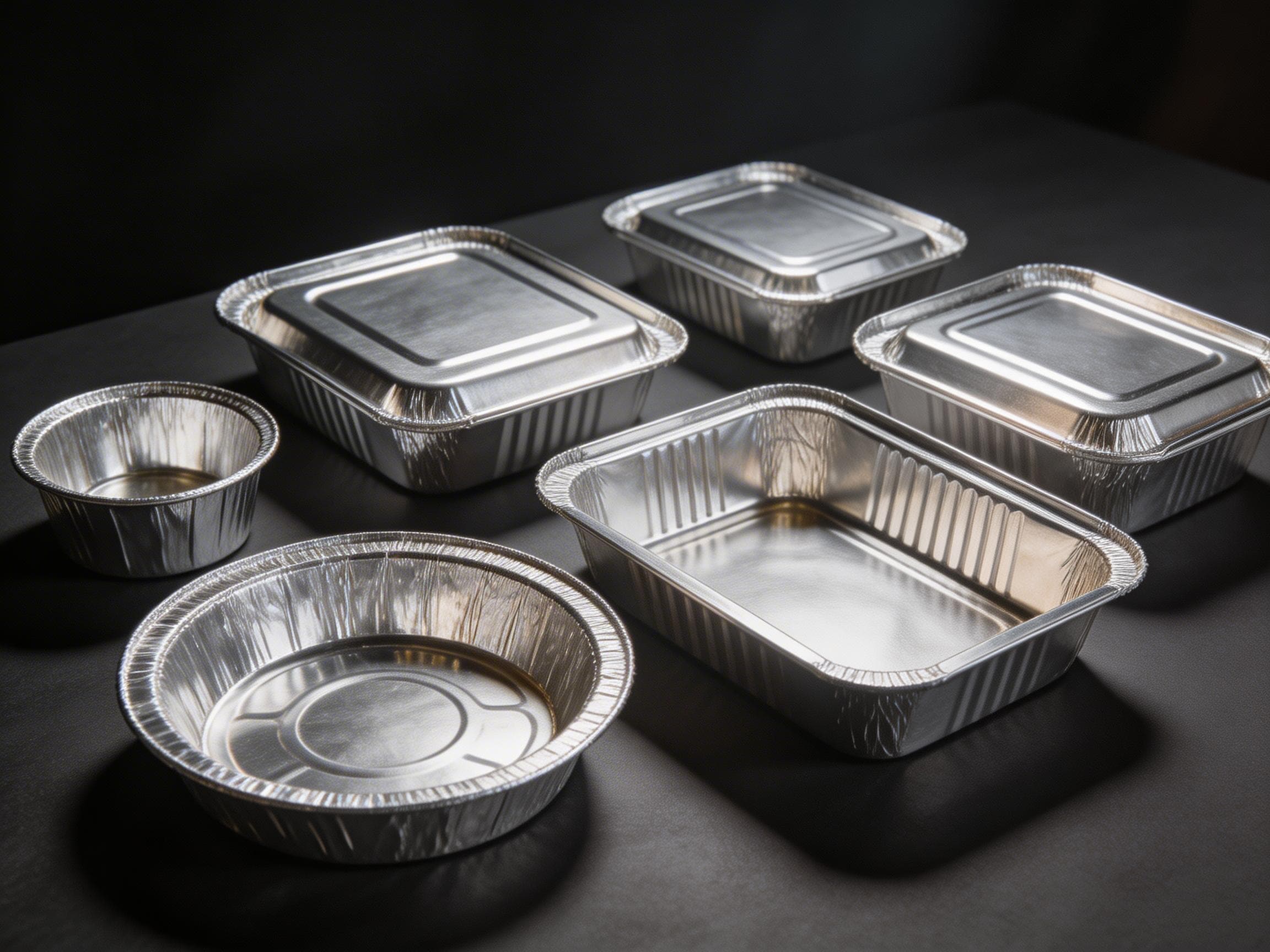
How Aluminium Foil Containers Keep Food Fresher for Longer — A Buyer's Guide
If you supply food packaging to restaurants, catering companies, meal-prep brands or delivery kitchens, aluminium foil containers are likely already on your product list. But how well do your customers actually understand the way these containers preserve food quality — and are you helping them get the most out of every tray they buy from you?
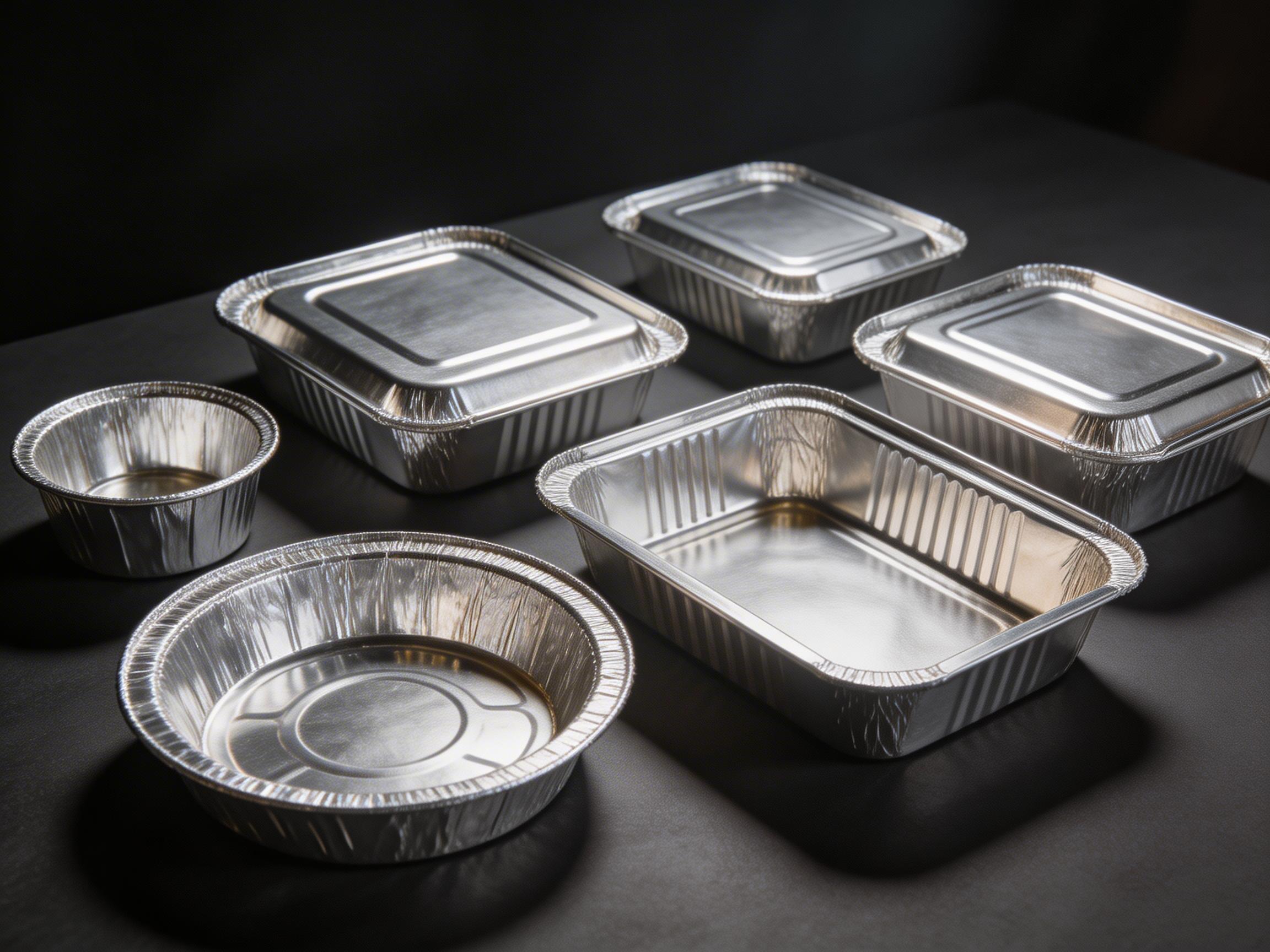
This guide breaks down the practical science behind aluminium food containers and freshness, and explains how distributors and food-service operators can choose and use them more effectively.
Why Aluminium Is a Strong Choice for Food Freshness
Aluminium foil acts as a near-total barrier against light, oxygen, moisture and bacteria. Unlike many plastic alternatives, it does not absorb odours, leach chemicals, or degrade under normal kitchen conditions. These properties make it a reliable choice for:
- Hot meal delivery — heat stays locked in, steam is managed by the lid.
- Cold-chain logistics — foil reflects radiant heat, slowing temperature rise.
- Freezer storage — aluminium prevents freezer burn when sealed correctly. For B2B buyers, this means fewer customer complaints about soggy, dried-out or spoiled food — and stronger repeat orders.
Six Practical Tips for Maximising Freshness with Aluminium Containers
1. Pair Containers with Proper Lids and Sealing Methods
Most aluminium containers are designed to work with either pressed aluminium lids or snap-on plastic lids. The seal quality makes a significant difference to shelf life.
- Press down foil lids firmly along all edges to create an airtight closure.
- Plastic dome lids work well for meals that need headroom (e.g., pasta with sauce).
- For transport, combine a foil lid with an overwrap film for double protection. When sourcing, ask your supplier (like TakeawayPack) about lid compatibility for each container size — mismatched lids are one of the most common causes of leakage complaints.
2. Use Parchment or Greaseproof Liners for Delicate Items
Baked goods, pastries and roasted items can lose moisture or stick to the foil surface. A simple parchment paper liner inside the tray solves both problems:
- Prevents direct contact between food and aluminium, useful for acidic dishes like tomato-based pasta.
- Retains moisture in breads, muffins and cakes.
- Adds a professional presentation touch that end-customers appreciate. Parchment liners are inexpensive and can be bundled as an add-on product line when selling to bakery or café clients.
3. Handle Acidic Foods with Care
Aluminium is generally food-safe, but prolonged direct contact with highly acidic foods (tomato sauces, citrus marinades, vinegar-based dressings) can cause a mild reaction that alters taste. Two easy workarounds:
- Place a parchment or greaseproof barrier between the food and the tray.
- Choose containers with an internal polymer coating for acidic menu items. If your customers run Italian, Indian or Mediterranean kitchens, offering coated foil trays as part of your range is a smart upsell.
4. Leverage Aluminium for Freezer Meal Programmes
Meal-prep brands and ready-meal producers rely heavily on aluminium containers for freezing because:
- They withstand temperatures down to –40 °C without cracking.
- They transfer straight from freezer to oven (up to around 200 °C), removing a defrosting step.
- Stack neatly, saving cold-storage space in commercial kitchens. For buyers serving meal-prep or ready-meal clients, stocking deep-draw aluminium trays with matching foil lids is a straightforward way to capture recurring volume.
5. Optimise for Oven Reheating
Many food-service operations — especially catering and event dining — reheat food in its packaging. Aluminium containers handle this well, with a few caveats:
- Use containers made from heavier-gauge foil (typically 40–60 µm) for oven use. Thin trays may buckle.
- Always remove plastic lids before reheating.
- Do not use aluminium containers in microwave ovens — the metal causes arcing. Communicating these guidelines to your customers reduces the risk of misuse and product complaints.
6. Choose the Right Container Shape and Depth for Each Application
Not all aluminium trays are equal. Matching form factor to the food type extends freshness by minimising air pockets:
| Food type | Recommended container | Why |
| Curries, stews, rice dishes | Deep oblong or round trays | Reduces surface area exposed to air |
| Roast meats, grilled veg | Shallow large trays | Even heat distribution for reheating |
| Individual desserts | Small round or square trays | Portion control, neat sealing |
| Full meal combos | Compartment trays | Separates wet and dry items |
Stocking a range of shapes gives your customers the flexibility to package different menu items properly — and it increases your average order value through mixed-load purchasing.
What B2B Buyers Should Look for When Sourcing Aluminium Containers
Beyond freshness performance, there are practical sourcing considerations that matter to importers, distributors and multi-unit food-service operators:
Material Quality and Gauge
Thicker foil (higher micron rating) means better structural integrity during transport and stacking. Ask your supplier for specification sheets and tolerances.
Food-Safety Compliance
Ensure containers meet relevant standards for your target markets — such as EU Regulation 1935/2004, FDA 21 CFR, or equivalent. A reliable supplier will provide compliance documentation on request.
Customisation Options
Branding matters. Custom-printed foil lids, coloured plastic lids, or bespoke sizing help your end-customars differentiate their delivery packaging. TakeawayPack supports logo printing and size customisation with flexible MOQ, making it viable even for smaller restaurant groups.
Mixed-Load Sourcing
If your business supplies a full range of takeaway packaging — cups, boxes, bags, cutlery and foil trays — sourcing from a single partner who supports mixed-container loading simplifies logistics and reduces landed cost per unit.
Samples and Quality Checks
Before committing to a large order, request stock samples or pre-production samples. This lets you verify gauge, lid fit, and finish quality. A supplier that offers random pre-shipment inspections (as TakeawayPack does) adds a further layer of confidence.
Conclusion
Aluminium food containers are one of the most versatile and freshness-friendly packaging options available to the food-service industry. When sourced, specified and used correctly, they help restaurants, caterers and meal-prep brands deliver better food to their customers — with fewer complaints, less waste and stronger brand perception. If you are looking to expand your aluminium container range — or need a packaging partner who can supply foil trays alongside paper cups, takeaway boxes and kraft bags — contact TakeawayPack at info@takeawaypack.com to discuss specifications, samples and pricing for your market.