Plastic Food Containers: B2B Buying Guide for Restaurants & Takeaway Brands
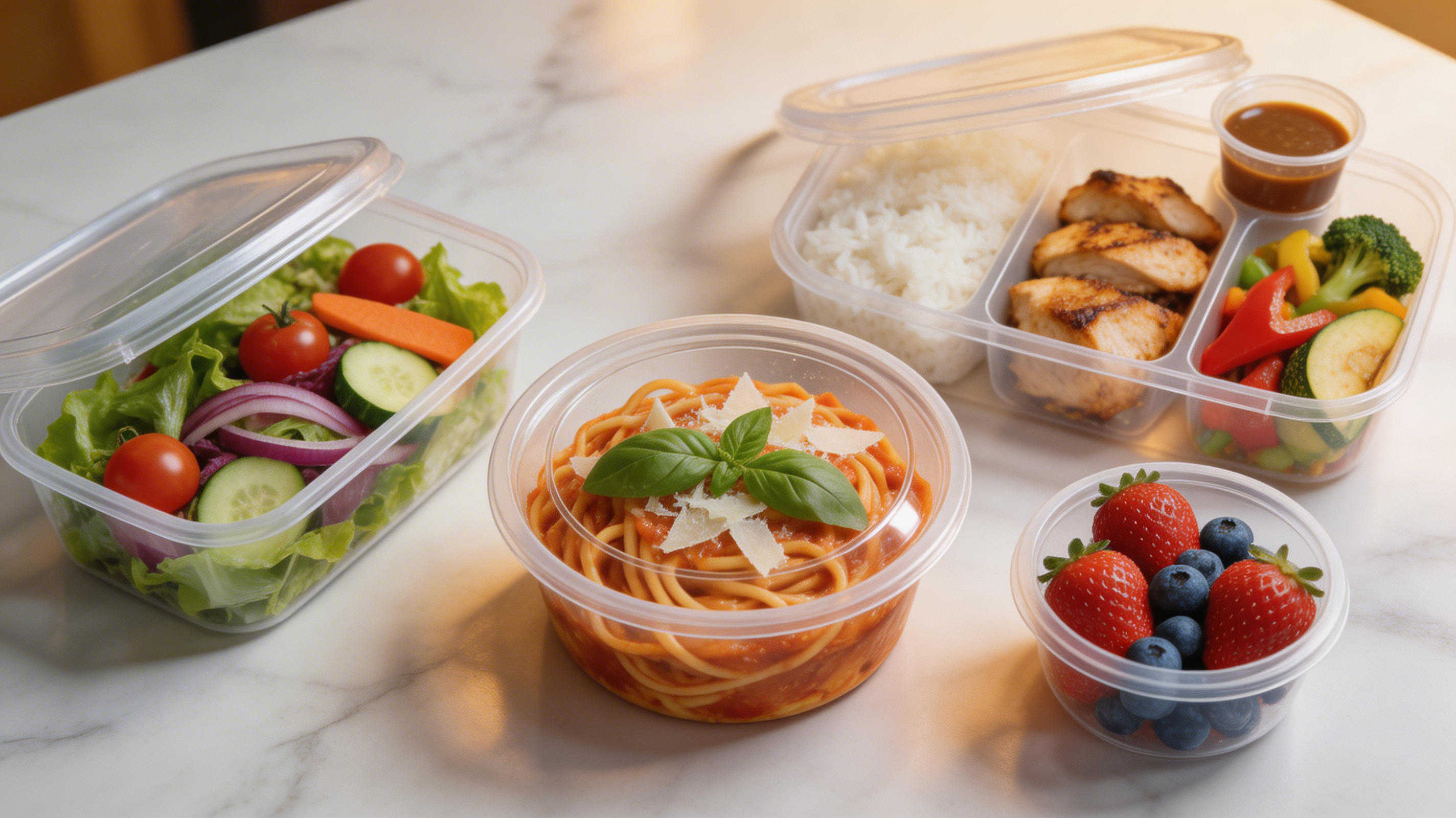
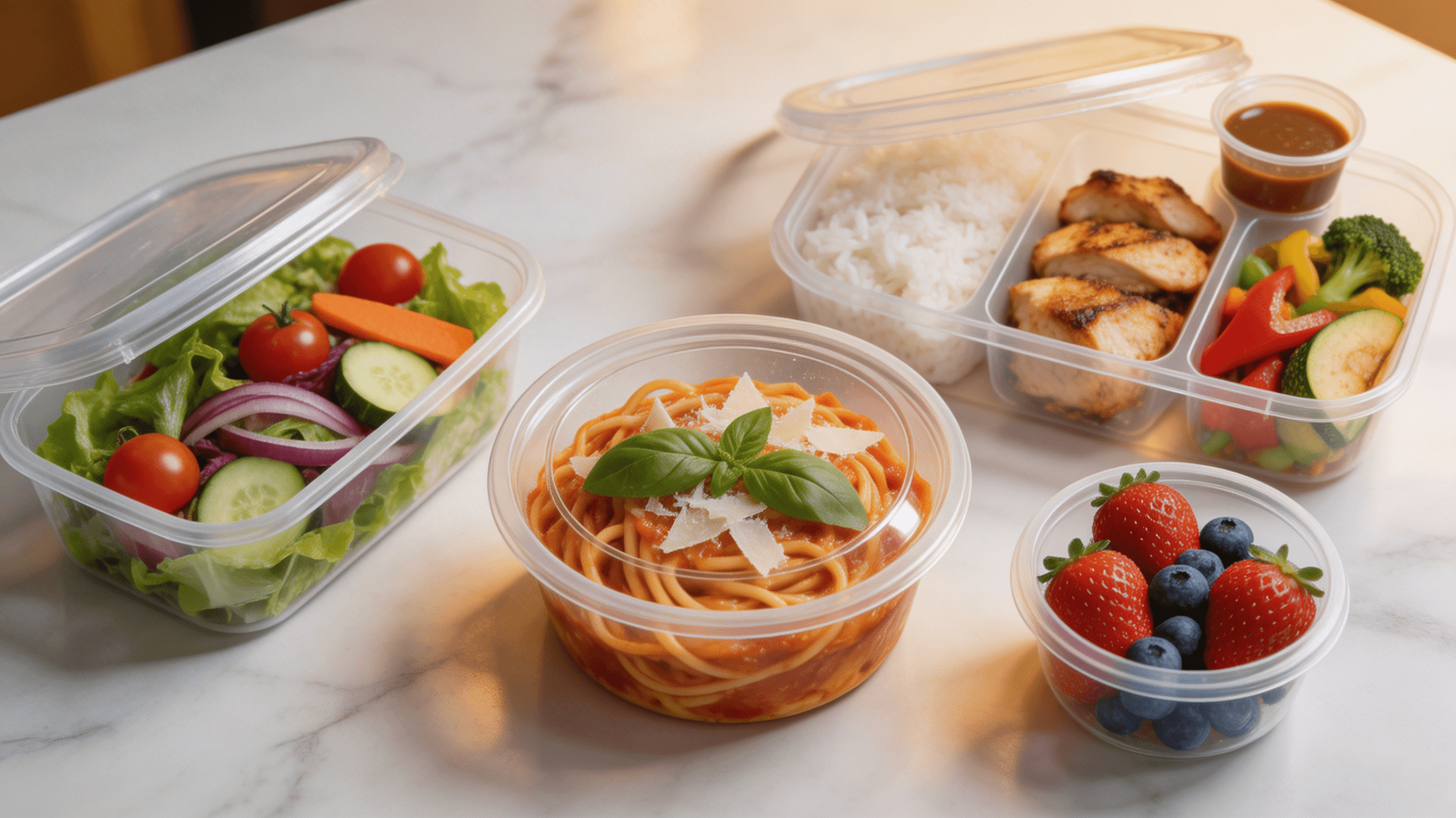
Plastic food containers remain a staple in the food service industry—and for good reason. They are lightweight, cost-effective, and versatile enough to handle everything from hot soups to cold salads. For restaurants, cafes, cloud kitchens, and takeaway brands, choosing the right plastic containers can impact food safety, customer satisfaction, and operational efficiency. This guide breaks down the advantages and limitations of plastic food containers, safety considerations, and what to look for when sourcing in bulk for your business.
Why Plastic Food Containers Dominate Food Service
Lightweight and Stackable
Unlike glass or metal alternatives, plastic containers are significantly lighter, reducing shipping costs and making them easier for delivery drivers to handle. Their stackable design maximizes storage space in commercial kitchens, delivery vans, and customer cupboards.
Cost-Effective at Scale
For high-volume operations, plastic containers offer excellent value. Per-unit costs drop significantly with bulk orders, making them accessible for businesses managing tight margins on takeaway and delivery orders.
Versatile Temperature Resistance
Quality food-grade plastic containers handle hot meals, refrigerated storage, and freezer conditions without cracking or warping. This versatility means one container type can serve multiple menu items, simplifying inventory management.
Clear Visibility for Food Presentation
Transparent plastic containers let customers see their food immediately, enhancing perceived freshness and presentation—especially important for salad bars, deli counters, and premium takeaway brands.
Understanding the Limitations
Environmental Considerations
Plastic packaging carries environmental concerns that businesses cannot ignore. While recycling programs exist, contamination from food residue often diverts used containers to landfill. For brands positioning around sustainability, balancing plastic convenience with eco-alternatives like bagasse or kraft paper may better align with customer values.
Heat and Chemical Safety Concerns
Not all plastics tolerate microwave reheating. Lower-grade containers may leach chemicals when overheated or exposed to acidic foods. Understanding plastic grades and appropriate use cases prevents safety risks and protects your brand reputation.
Durability Limits
While sturdy for single-use, most disposable plastic containers are not designed for repeated washing and reuse. Cracks and scratches create bacterial harbors, making containers unsuitable for long-term food storage after initial use.
Safety Essentials: What B2B Buyers Should Know
Understanding Plastic Grades
Food containers typically use these plastic types:
- PP (Polypropylene, #5) – Microwave-safe, heat-resistant, ideal for hot foods and soups
- PET (Polyethylene Terephthalate, #1) – Clear, lightweight, excellent for cold foods and salads
- PS (Polystyrene, #6) – Lightweight, insulated, commonly used for foam clamshells (less recyclable) Always verify grade markings on containers and match them to intended use cases.
Microwave Safety Guidelines
If your customers reheat food in packaging, ensure containers are explicitly labeled microwave-safe. PP containers generally tolerate reheating better than PET or PS alternatives. Even microwave-safe plastics should not overheat empty or contain high-fat foods that reach excessive temperatures.
BPA-Free Assurance
Reputable suppliers now offer BPA-free containers as standard. When sourcing, confirm that manufacturers have eliminated bisphenol-A and related chemicals from food-contact plastics—especially important for containers holding hot or acidic foods.
Sourcing Plastic Containers for Your Business
Volume and Customization Considerations
When ordering plastic containers in bulk, consider:
- Minimum order quantities (MOQ) – Flexible suppliers accommodate smaller test orders before scaling
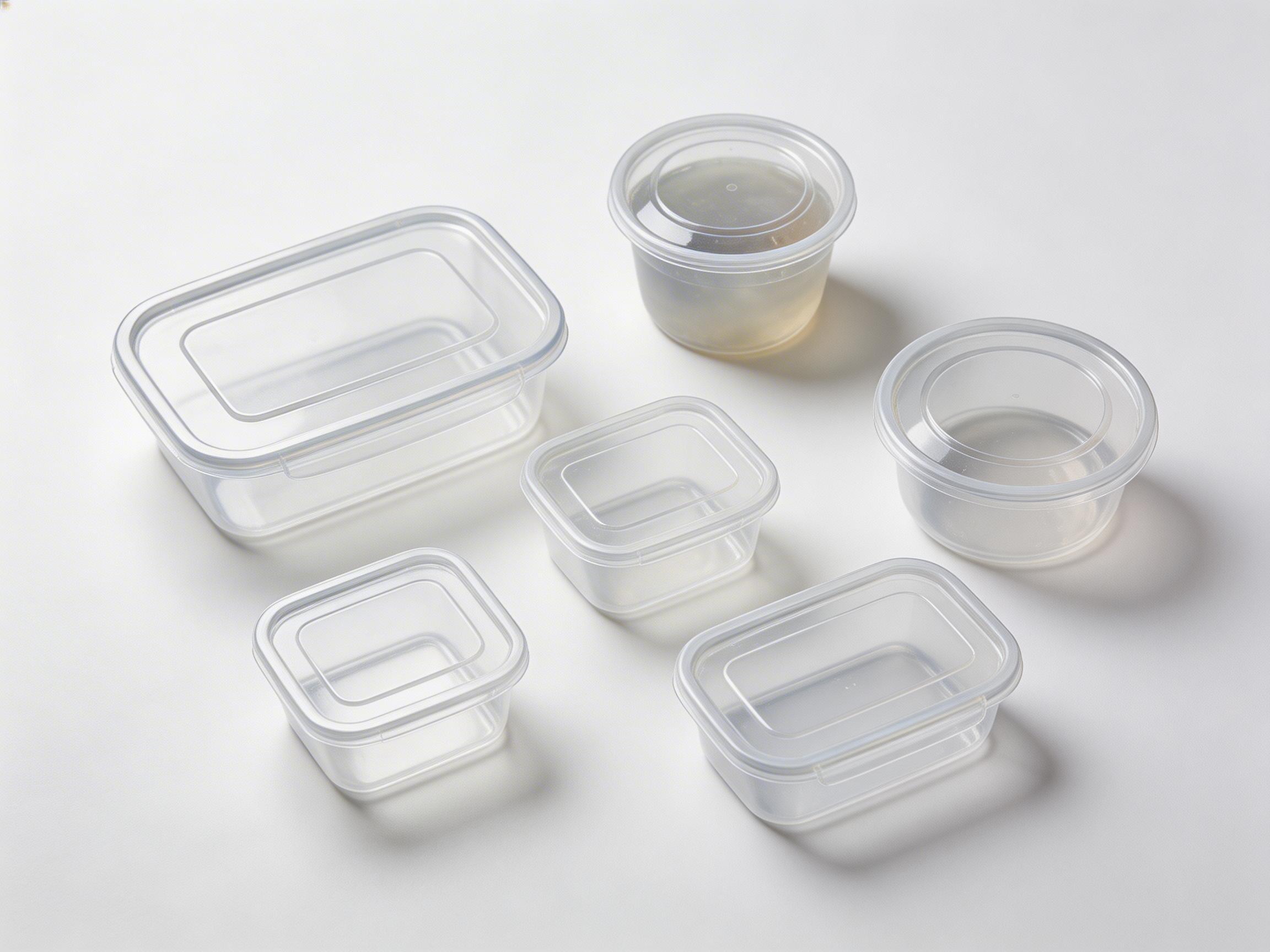
- Size and format variety – Stock multiple compartment configurations and capacities to match your menu
- Logo and branding options – Lid printing and label customization reinforce brand recognition
Quality Verification
Before committing to large orders:
- Request samples to test leak resistance, stackability, and temperature performance
- Verify food-grade certifications from manufacturers
- Conduct pilot runs with actual menu items to identify any practical issues
Supplier Partnership Benefits
Working with experienced packaging suppliers brings advantages beyond product availability:
- Mixed-product sourcing – Consolidate containers, cutlery, bags, and cups through one supply channel
- Quality control support – Pre-shipment inspection and production monitoring
- Logistics coordination – FOB, CIF, or DDP delivery options tailored to your import preferences
Conclusion
Plastic food containers remain a practical choice for restaurants, takeaway brands, and food delivery operations worldwide. Their lightweight design, cost efficiency, and versatility make them indispensable for high-volume food service. Success with plastic packaging means understanding both its capabilities and limitations. Selecting appropriate grades for specific applications, following microwave and reheating guidelines, and sourcing from reliable suppliers ensure your packaging supports food safety and customer satisfaction. At TakeawayPack, we supply B2B plastic food containers with flexible MOQs, sample support, and customization options to match your operational requirements. Contact us to discuss your container specifications, volume needs, and how we can support your packaging supply chain.
Need plastic food containers for your restaurant or takeaway business? Contact info@takeawaypack.com for quotations, samples, and customization options.