Disposable Aluminium Foil Food Containers: What Buyers Need to Know
An overview of aluminium foil containers for foodservice sourcing decisions.
What Makes Aluminium Foil a Preferred Material for Food Containers?
Aluminium foil has been a mainstay in food packaging for decades, and for good reason. It offers a combination of barrier performance, thermal conductivity, and formability that few other materials can match. For foodservice operators, caterers, and takeaway brands, these properties translate directly into practical benefits:
- Temperature retention: Aluminium reflects radiant heat, helping food stay hot longer during delivery or transport.
- Moisture and odour barrier: Foil containers seal out air and moisture, preventing sogginess, flavour transfer, and spoilage.
- Leak resistance: When paired with compatible lids—aluminium, board, or plastic—foil trays provide a reliable seal for gravies, sauces, and liquid-heavy meals.
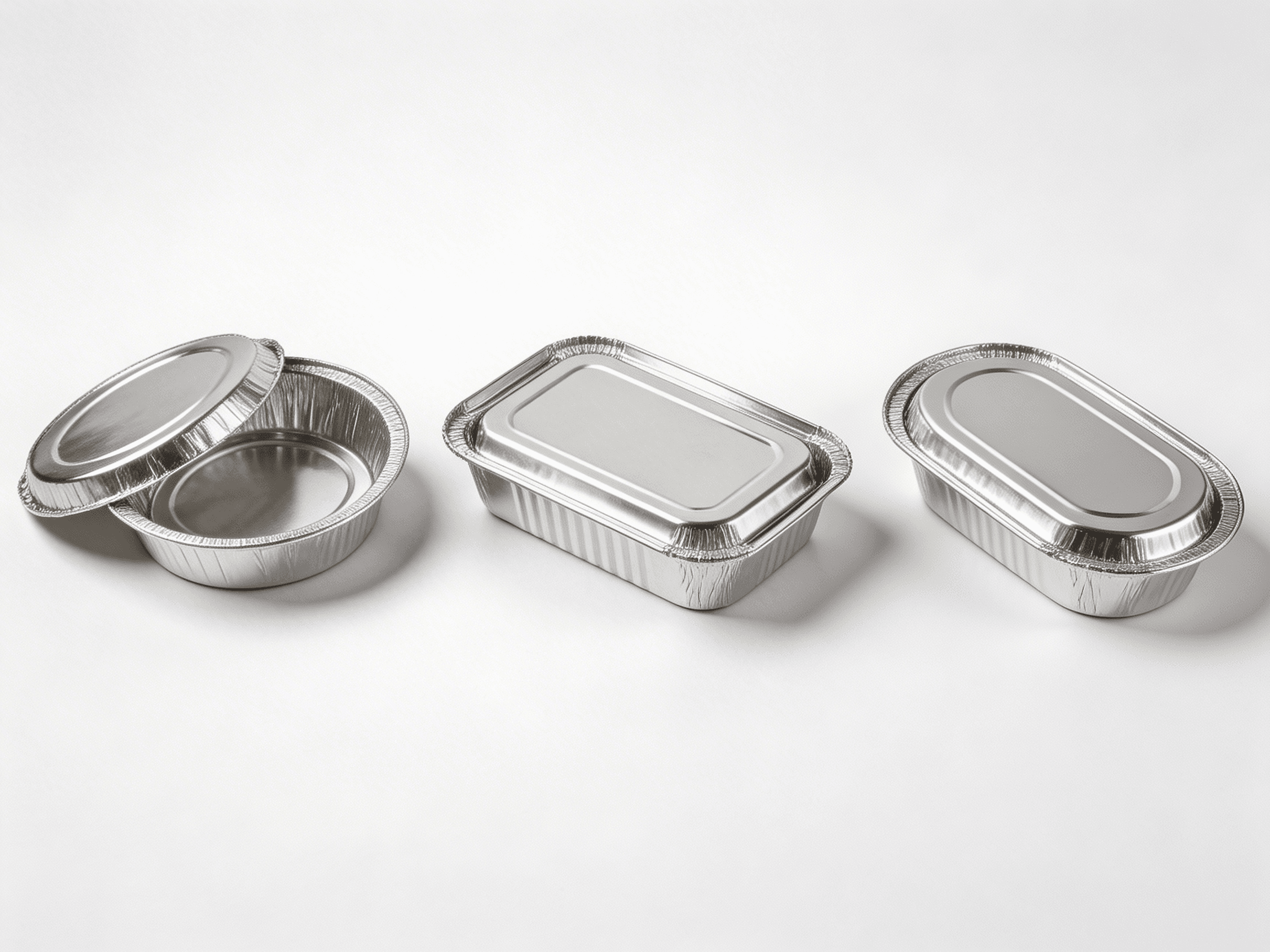
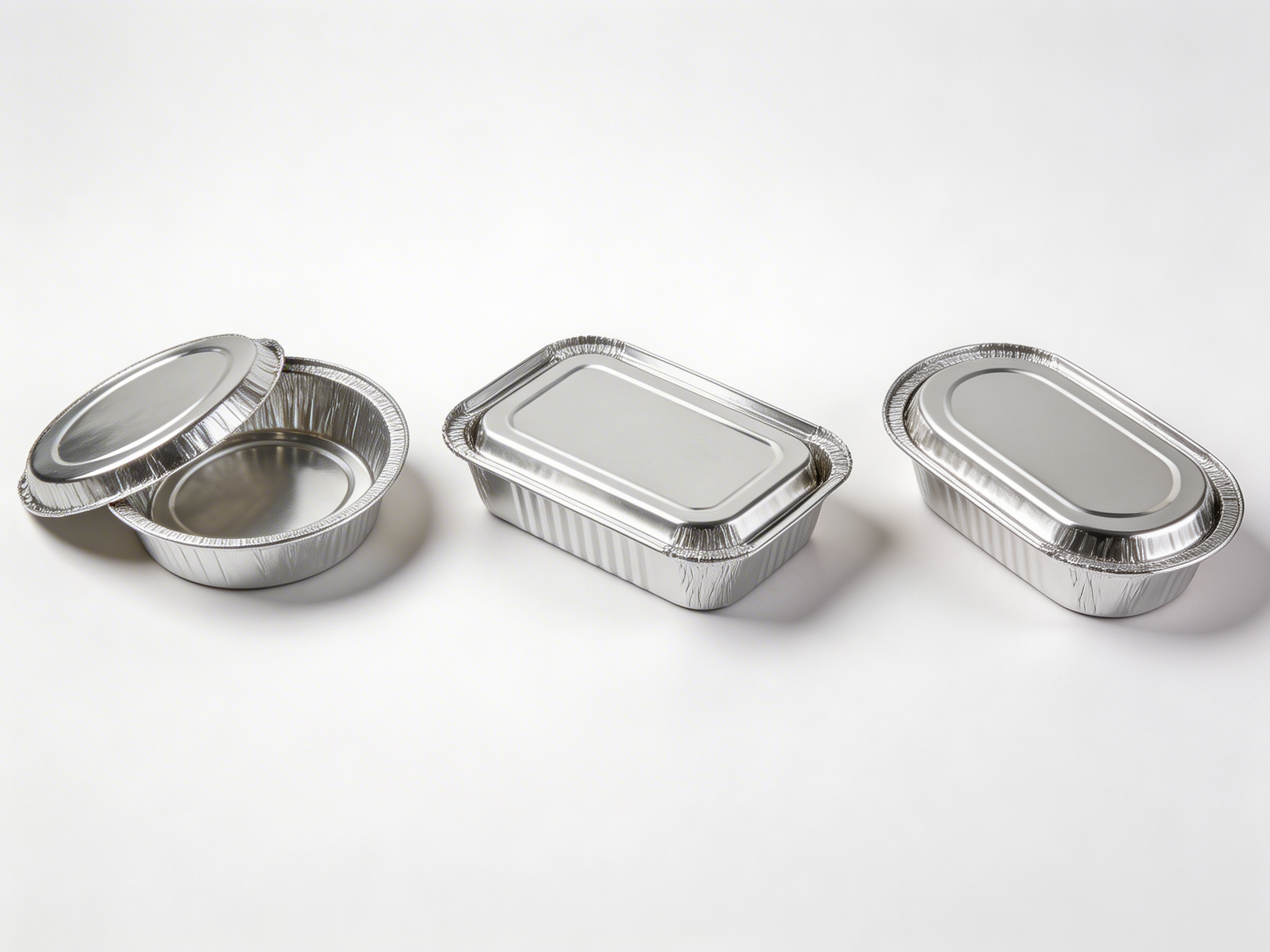
- Versatile shaping: Aluminium can be deep-drawn or smooth-wall-formed into round, rectangular, and oval shapes in many sizes, accommodating everything from single-portion sides to large catering trays. These characteristics make foil containers a natural fit for ready-meal production, airline catering, bakery, and takeaway delivery.
Are Aluminium Foil Food Containers Safe?
This is one of the most frequently asked questions from buyers new to foil packaging. Aluminium food containers produced to international food-contact standards are safe for their intended use. Key points to consider:
- Food-grade material: Reputable manufacturers use alloy grades approved for food contact. The surface naturally forms a stable oxide layer that prevents further reaction with food.
- Bacteria resistance: The smooth, non-porous surface does not support bacterial growth, making it hygienic for food service.
- Microwave suitability: Many foil containers can be used in microwaves, but only if the container is not crumpled, does not touch the oven walls, and the manufacturer has confirmed suitability. Always check product specifications before making claims to end users. Buyers sourcing from overseas suppliers should request food-contact compliance documentation (such as FDA, EU, or LFGB test reports) as part of their qualification process.
Can Aluminium Foil Containers Be Recycled?
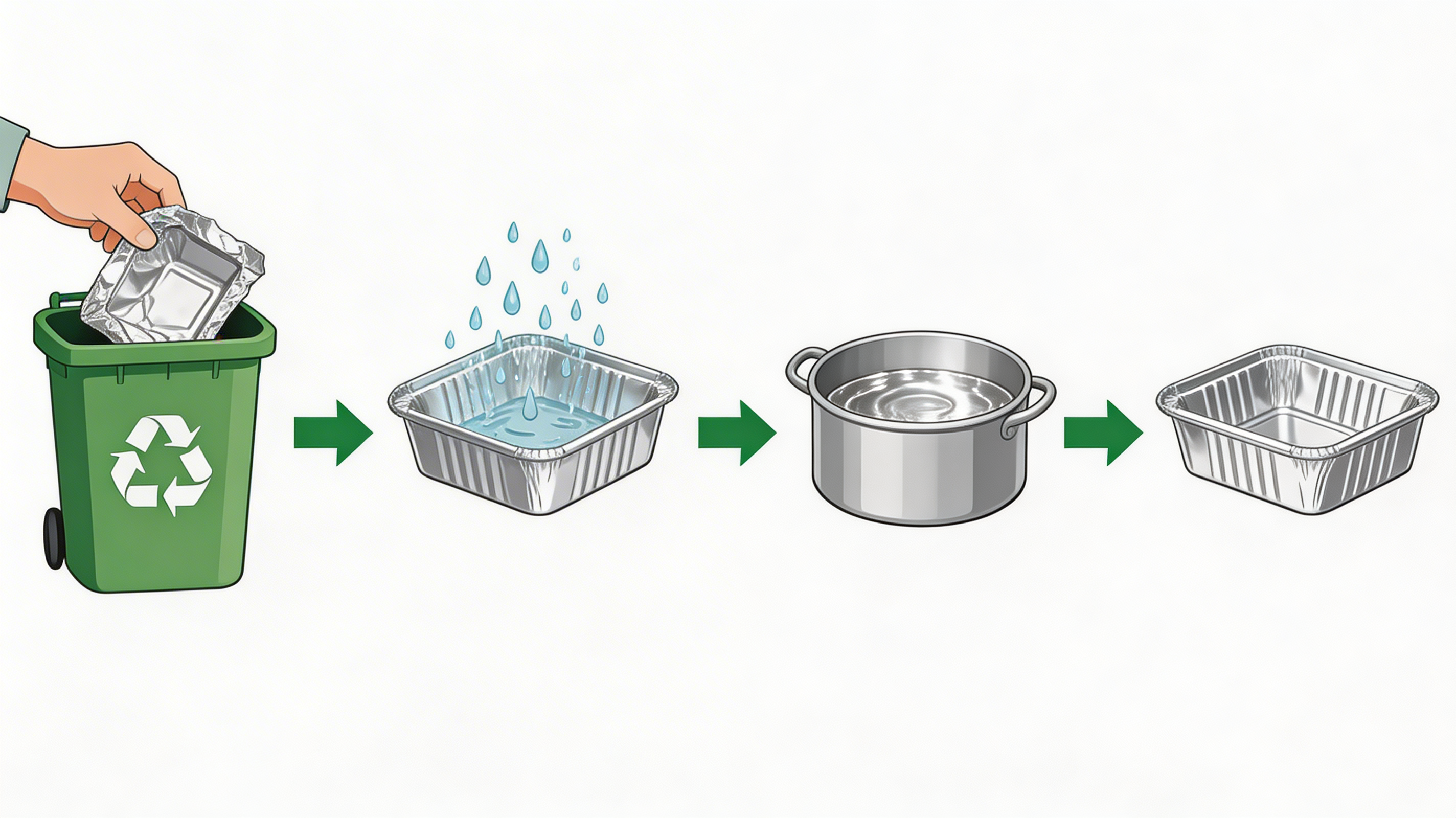
Yes—aluminium is one of the most recyclable materials on the planet. It can be recycled indefinitely without loss of quality, and the recycling process uses only about 5 % of the energy required to produce primary aluminium. For foodservice businesses, this is a significant sustainability talking point:
- Consumer-facing brands can highlight recyclability on packaging or marketing materials.
- Caterers and event operators can set up collection streams that send used foil trays directly to recycling facilities.
- Distributors can position foil containers as a more sustainable alternative to single-use plastics in markets where recycling infrastructure exists. One practical note: heavily soiled containers may need a quick rinse before recycling. Communicating this clearly to end users helps improve actual recycling rates.
Common Shapes, Sizes, and Applications
Aluminium foil containers come in a broad range of configurations, which is one reason they are popular across so many foodservice segments.
| Container Type | Typical Use Cases |
| **Round shallow trays (150–500 ml)** | Pies, quiches, pasta bakes, desserts |
| **Round deep containers (500–1000 ml)** | Curries, stews, rice dishes, soups |
| **Rectangular trays (full/half/quarter size)** | Roast dinners, meal prep, catering portions |
| **Oval trays** | Fish dishes, whole portions, presentation meals |
| **Compartment trays** | Multi-item meals, school catering, airline meals |
| **Mini containers and tart shells** | Tapas, starters, bakery items |
Lid options include crimp-on aluminium lids, snap-on plastic lids, and full-board lids with a foil lining. Choosing the right lid depends on the food type, sealing requirements, and whether the container will be used for oven reheating.
Key Considerations When Sourcing Aluminium Foil Containers
For importers, distributors, and multi-unit foodservice operators, sourcing decisions go beyond just picking the right shape. Here are the factors that matter most at the procurement level:
Material Thickness and Gauge
Foil container walls typically range from 40 to 100 microns. Thicker gauges offer better rigidity for heavy or wet foods, while thinner gauges reduce material cost and weight. Match the gauge to the application—don't over-engineer a light snack tray or under-spec a catering container.
Customisation and Branding
Many suppliers, including TakeawayPack, offer custom printing on foil container lids and embossing on the containers themselves. For brands looking to differentiate, logo-printed board lids or coloured foil finishes can add a premium touch without a dramatic cost increase. Flexible minimum order quantities make it feasible to trial custom packaging before committing to a full production run.
Lids and Accessories
Ensure your supplier can provide compatible lids in the quantities you need. Mismatched lids are a common sourcing frustration. Also consider whether you need separate accessories such as sleeve wraps or overwraps for tamper evidence.
Quality Control
Look for suppliers who can provide pre-production samples, production follow-up reports, and random inspection results. Consistent wall thickness, clean edges, and secure lid fit are the details that distinguish reliable foil packaging from problematic shipments.
Packaging and Logistics
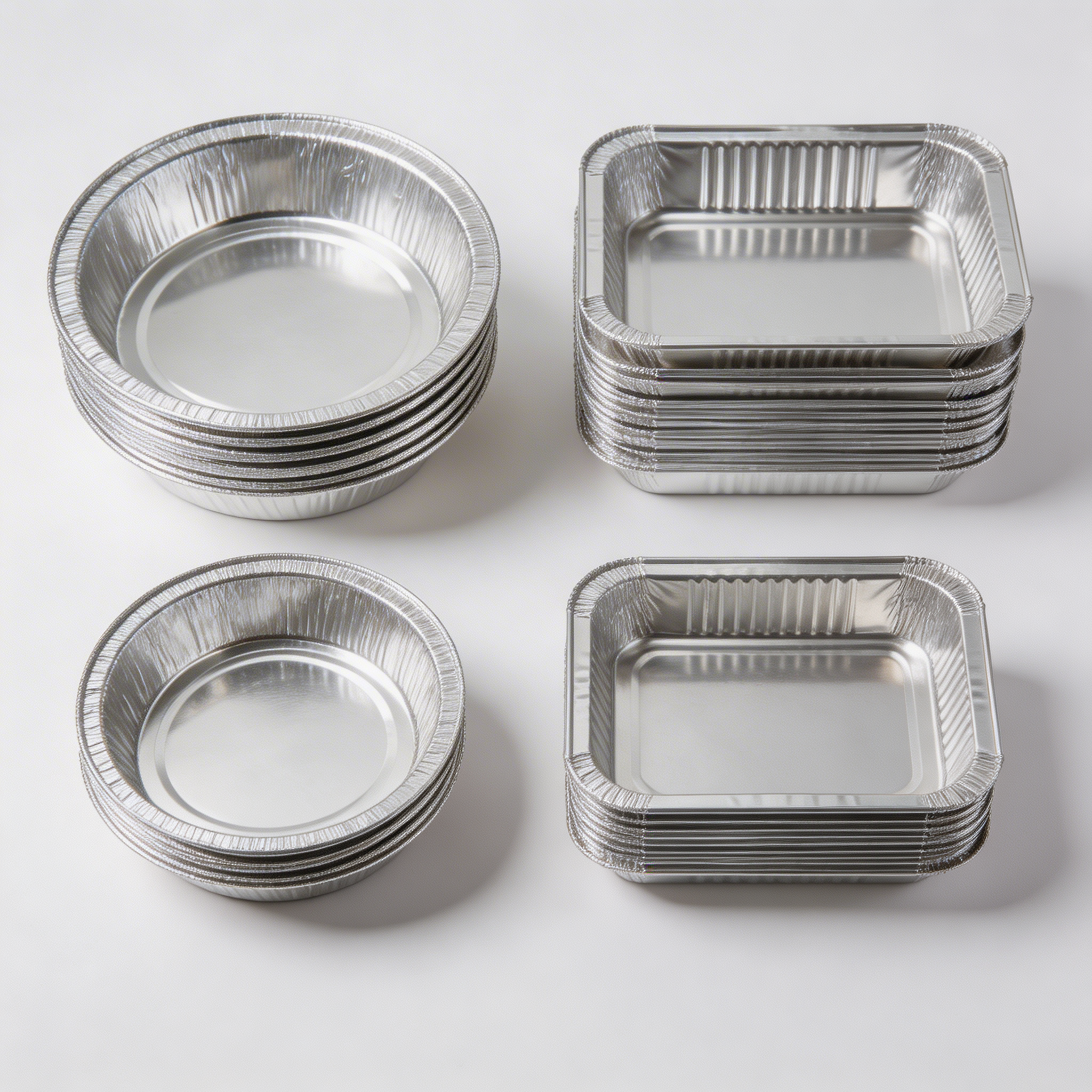
Foil containers nest efficiently, which helps with shipping density. However, large volumes require careful stacking and corner protection. Discuss export packaging specifications—pallet configuration, inner carton count, and moisture-barrier wrapping—with your supplier early in the process.
Aluminium Foil Containers vs. Plastic: A Quick Comparison
Foodservice buyers often evaluate foil alongside plastic alternatives. Here is a concise comparison:
| Factor | Aluminium Foil | Plastic (PP/CPET) |
| Oven-safe | Yes | CPET yes, PP limited |
| Microwave-safe | With precautions | Generally yes |
| Recyclability | Widely recyclable | Varies by polymer and region |
| Barrier performance | Excellent (moisture, light, gas) | Good to moderate |
| Perceived premium | High | Moderate |
| Cost per unit | Moderate | Low to moderate |
| Customisation | Embossing, printed lids | In-mould labelling, full-colour print |
Neither material is universally "better"—the right choice depends on the food application, target market, brand positioning, and local recycling infrastructure.
Practical Tips for Foodservice Operators
- Pre-portion meals into foil containers for faster service during peak hours.
- Use compartment trays for multi-component dishes to maintain visual appeal during delivery.
- Pair with board lids when oven reheating is expected; plastic lids may warp.
- Label clearly with reheating instructions, especially for microwave use.
- Educate customers on recycling to reinforce your brand's sustainability credentials.
Why Source Aluminium Foil Containers from TakeawayPack?
TakeawayPack supports foodservice businesses with a comprehensive range of aluminium foil containers—from standard smooth-wall trays to custom-branded options. Our approach is built around what buyers actually need:
- Broad SKU coverage: Round, rectangular, oval, and compartment trays in sizes from snack portions to full catering pans.
- Flexible MOQ: We accommodate smaller trial orders as well as high-volume shipments, making it practical for growing brands to get started.
- Custom branding: Logo printing on lids, custom embossing, and colour options help your packaging stand out.
- Integrated sourcing: Combine foil containers with lids, paper bags, cutlery, and other packaging items in a single shipment for mixed-container efficiency.
- Quality assurance: Supplier qualification, pre-production samples, production monitoring, and random pre-shipment inspection are part of every order.
- Export-ready: We serve markets across the Middle East, Europe, North America, Southeast Asia, and Oceania with appropriate documentation and trade-term flexibility (EXW, FOB, CIF, DDP). If you are evaluating aluminium foil containers for your foodservice operation or distribution business, contact info@takeawaypack.com to discuss specifications, request samples, or get a quote.