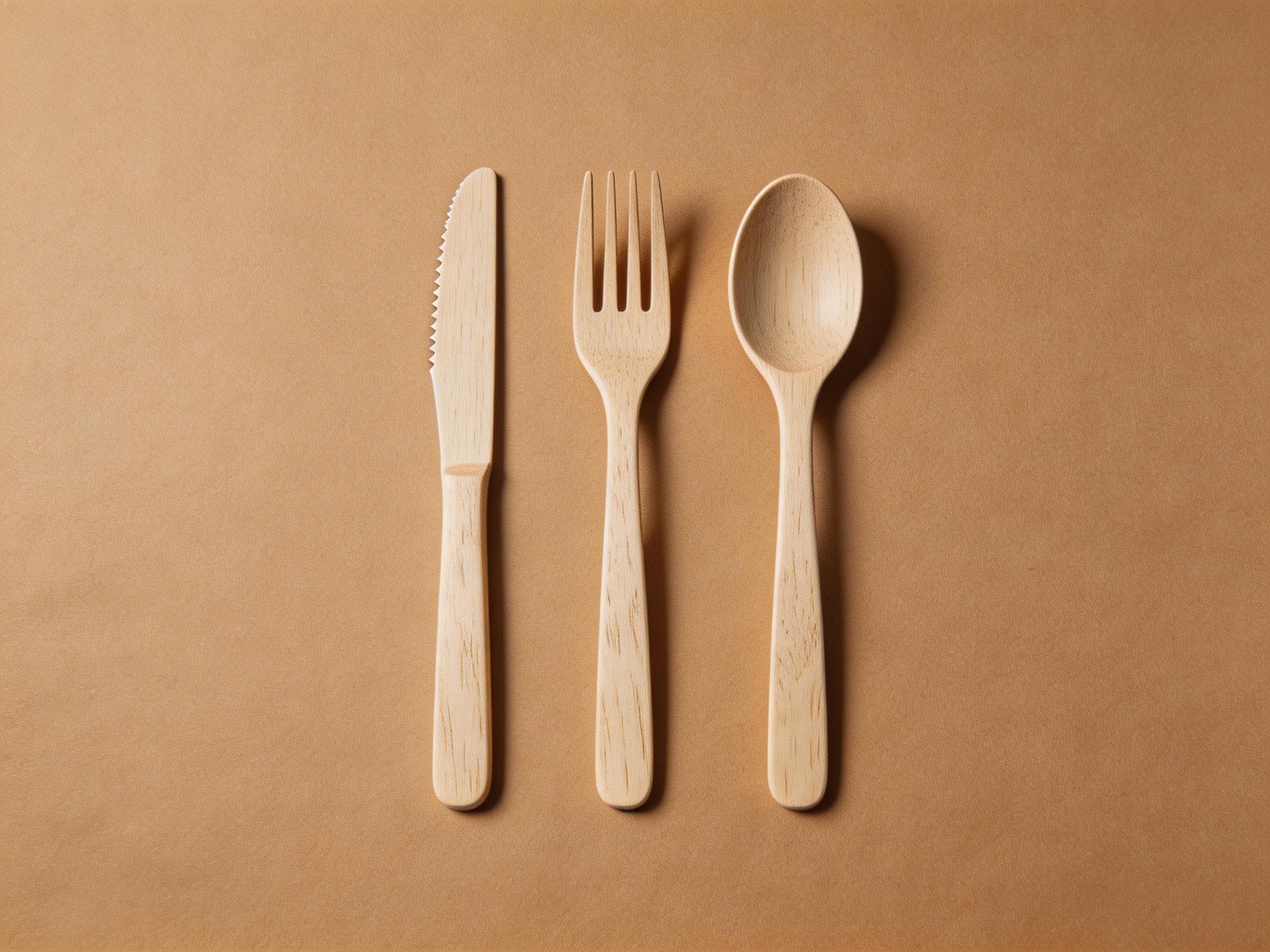
Wooden Cutlery for Takeaway and Catering: A Practical Sourcing Guide
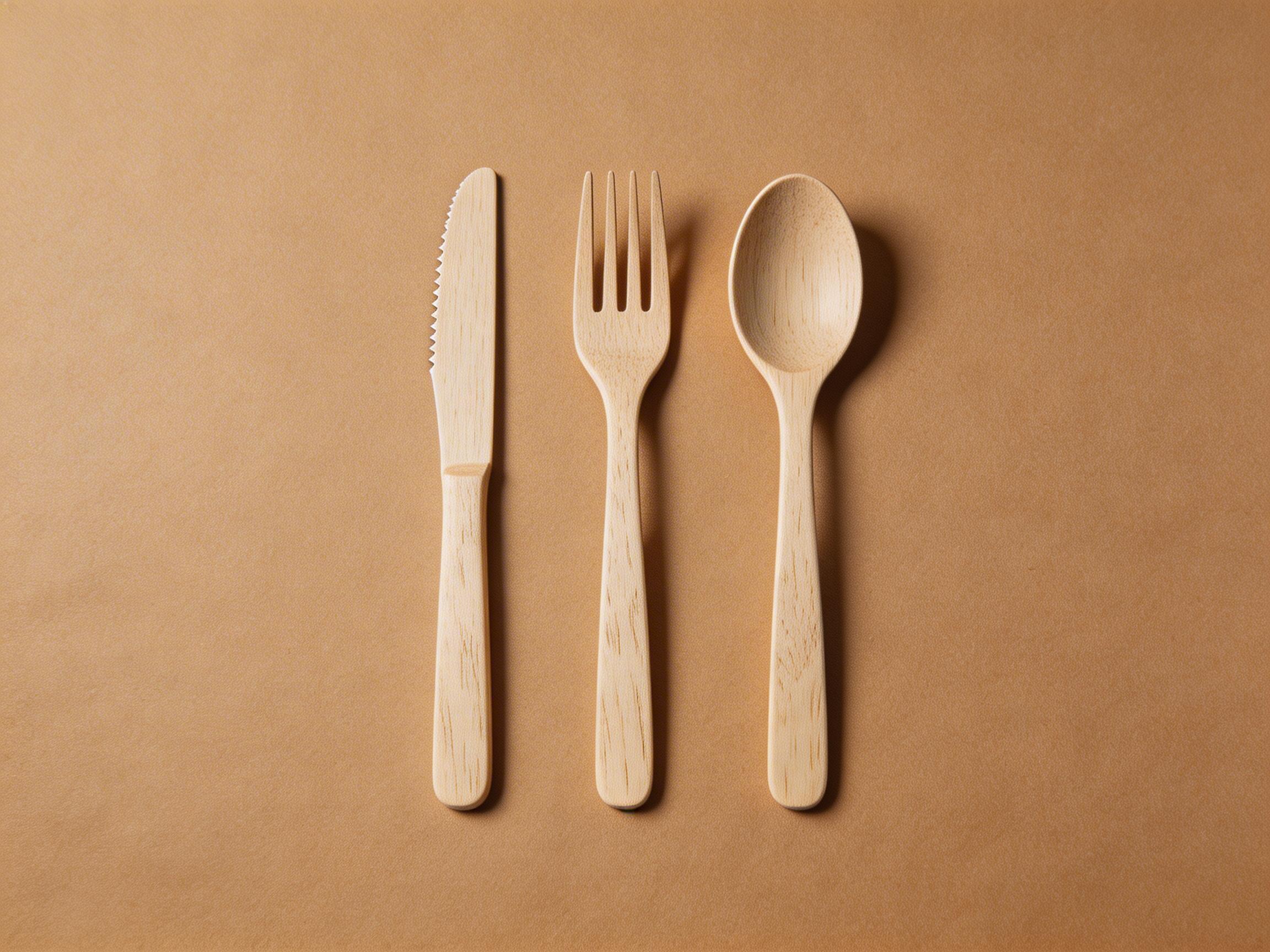
Single-use plastic cutlery is on the way out. Regulations across the EU, UK, Middle East and parts of Southeast Asia now restrict or ban many plastic utensils, pushing food businesses toward alternatives that perform well and meet compliance requirements. Wooden cutlery — typically made from birchwood or bamboo — has become one of the most widely adopted replacements. But "wooden" does not automatically mean "good." Quality, finish, food safety compliance and sourcing reliability vary significantly between suppliers. This guide walks through what buyers — importers, distributors, restaurant groups and catering wholesalers — should evaluate when sourcing wooden cutlery at scale.
Why Wooden Cutlery Has Become a Default Choice
Environmentally Credible
Birchwood and bamboo are biodegradable and compostable under the right conditions. For businesses facing customer pressure or regulatory mandates to move away from single-use plastics, wooden cutlery offers a straightforward, proven swap.
Functional Performance
A well-made wooden fork or knife handles hot, oily and heavy foods without melting, warping or leaching chemicals. That reliability matters for takeaway operators, street-food vendors and large-scale catering where utensils encounter everything from hot soups to greasy curries.
Regulation-Friendly
As single-use plastic bans expand across markets, wooden cutlery helps businesses stay compliant without having to overhaul their entire packaging programme. It fits neatly alongside existing takeaway boxes, paper cups and kraft bowls.
What to Evaluate When Sourcing Wooden Cutlery
1. Material and Origin
Most commercial wooden cutlery is made from birchwood or bamboo. Both are viable, but they have different characteristics:
- Birchwood is widely available, cost-effective and offers a smooth, neutral finish. It is the most common material for disposable wooden knives, forks and spoons.
- Bamboo is denser and has a slightly harder feel. Some buyers prefer it for its perceived premium quality, though it tends to cost more. Ask your supplier about the wood source. Responsibly managed plantations and FSC-certified materials carry more weight with end customers and procurement teams alike.
2. Smooth Finish and Safety
Rough edges or splinters are unacceptable for food-contact items. During production, cutlery should be sanded and polished to a smooth finish with no sharp points. Food safety is non-negotiable. Confirm that the cutlery has no chemical coatings, artificial finishes or glues. The wood should be natural and untreated — any surface treatment needs to be explicitly food-safe and documented.
3. Full Set Coverage
Check that the supplier offers a complete range:
- Knives — should be able to cut through common takeaway foods (not just soft items)
- Forks — tines should be sturdy enough to pierce food without snapping
- Spoons — bowl depth matters for soups, curries and desserts
- Teaspoons / coffee stirrers — essential for beverage-focused operators
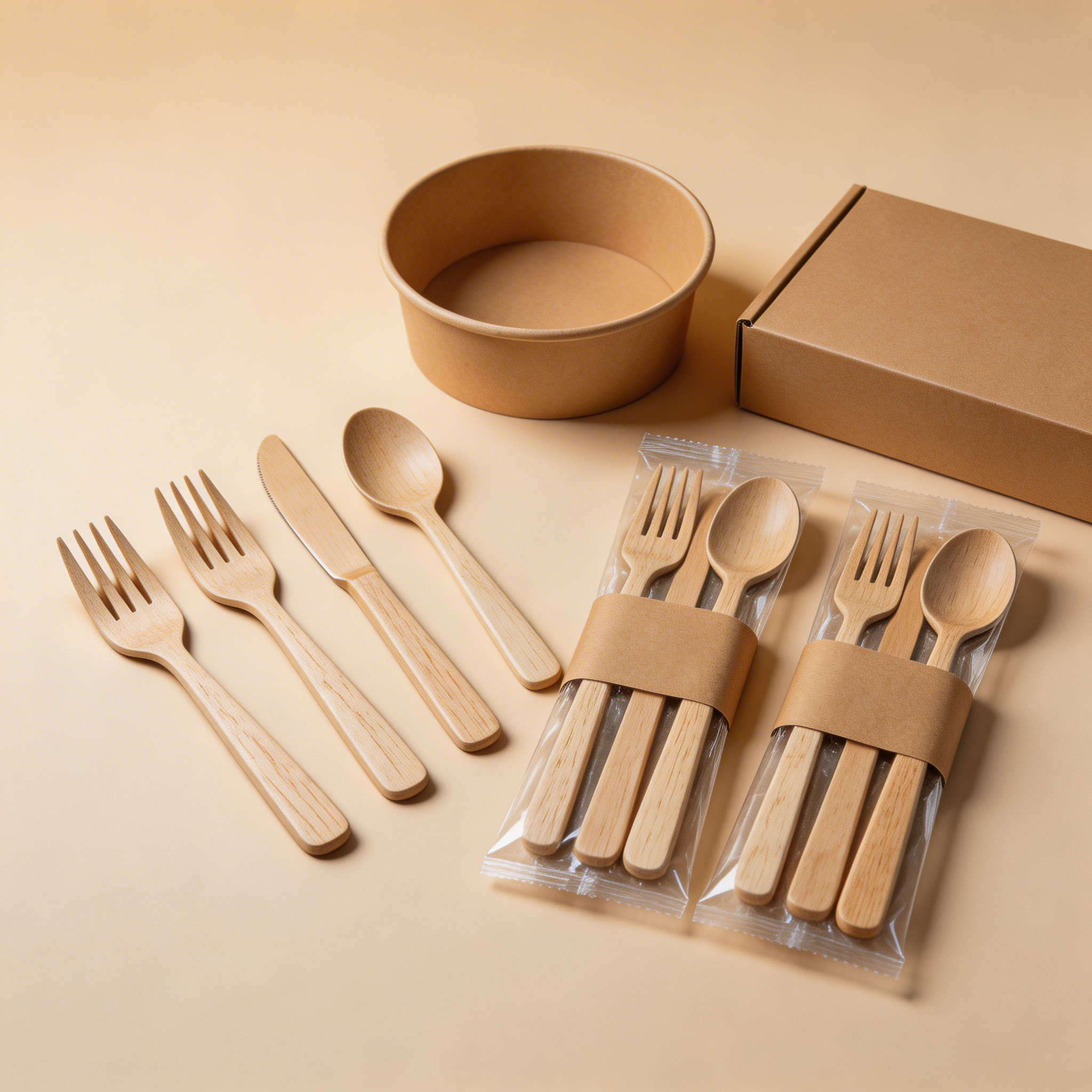
- Napkin-wrapped sets — pre-packaged knife-fork-napkin bundles save time and improve hygiene presentation If your customers run different types of food service — a café, a delivery kitchen and an event catering arm — being able to source all formats from one supplier simplifies procurement.
4. Packaging and Hygiene
For takeaway and delivery, individually wrapped pieces or sealed sets are strongly preferred. They protect against contamination during transport and storage, and they signal hygiene to the end customer. At events and food stalls, individually wrapped cutlery also helps meet health and safety requirements. If your market demands it, check that packaging materials (wrappers, outer cartons) are also recyclable or compostable to maintain the sustainability story.
5. Compliance and Certification
Depending on your destination market, you may need:
- EU Regulation 1935/2004 compliance (food contact materials)
- FDA-approved materials for the US market
- EN 13432 certification for compostability claims
- FSC or equivalent forestry certification A reliable supplier should be able to provide documentation upfront. If they cannot, treat that as a red flag.
Matching Cutlery to Your Customers' Use Cases
Quick-Service and Delivery
Lightweight, individually wrapped birchwood sets work well here. The priority is cost-efficiency and hygiene. Operators typically go through high volumes, so competitive unit pricing and consistent supply matter more than premium aesthetics.
Cafés and Bakeries
Wooden stirrers and teaspoons are staples. Some cafés also offer wooden cutlery for cake slices or light meals. Branding matters here — consider custom-printed wrapping or logo-stamped outer packaging if your customer wants to reinforce their identity.
Events and Catering
Events demand bulk quantities delivered on time. Napkin-wrapped sets are common because they look tidy on tables and at buffet stations. Durability is important — event catering often involves heavier foods, and utensil breakage in front of guests reflects badly on the caterer.
Street Food and Festivals
Fast turnover, high volume, disposable convenience. The cutlery needs to handle diverse cuisines — from grilled meats to noodle bowls — without complaint. Birchwood offers the best balance of strength and cost for this environment.
Sourcing at Scale: What Importers and Distributors Should Know
Minimum Order Quantities
Wooden cutlery is typically produced in large batches. MOQs vary by supplier and by whether you need custom packaging. Some suppliers — including TakeawayPack — offer flexible MOQ depending on the item and print method, which helps smaller importers or those testing a new market.
Customisation Options
If branding is part of your offer, look for suppliers who can:
- Print logos on individual wrappers or outer cartons
- Adjust packaging configurations (e.g., 50-piece vs. 100-piece packs)
- Support colour-matched wrapping to align with a customer's brand palette
Mixed Sourcing
Wooden cutlery rarely travels alone. Importers often consolidate orders with paper cups, takeaway boxes, napkins and other disposables in the same shipment. A supplier that supports mixed-product sourcing and mixed-container loading can reduce your logistics cost per unit significantly.
Quality Control
For B2B buyers, consistency is critical. One batch of splintering forks can damage a distributor's reputation with their restaurant clients. Insist on:
- Pre-production samples before a first order
- Random inspection before shipment
- Clear specifications documented in the purchase order (dimensions, finish, packaging)
Lead Times
Stock items typically ship within 7–15 days. Custom-printed or custom-packaged orders generally need 15–30 days after artwork confirmation. Plan your ordering cycle accordingly, especially if you supply customers with seasonal demand spikes (e.g., summer festivals, Ramadan catering, holiday events).
Common Mistakes to Avoid
- Choosing price over finish quality. The cheapest cutlery on paper often arrives with rough edges or inconsistent sizing. It is not worth the customer complaints.
- Ignoring compliance documentation. Shipping non-compliant food-contact items into regulated markets can result in holds, rejections or fines.
- Over-ordering one SKU. Not every customer needs the same format. Carrying both loose and wrapped options, and both birchwood and bamboo lines, gives you broader market coverage.
- Treating cutlery as an afterthought. In a post-plastic-ban market, the cutlery you supply is part of your customer's brand experience. It deserves the same sourcing rigour as cups or containers.
Conclusion
Wooden cutlery is no longer a niche eco-product — it is a mainstream category that takeaway operators, caterers and food-service wholesalers need to get right. The basics are straightforward: choose smooth, food-safe, compliant product from a supplier who can prove their standards. Beyond that, the competitive edge comes from customisation, reliable supply and the ability to consolidate cutlery with the rest of your packaging order.