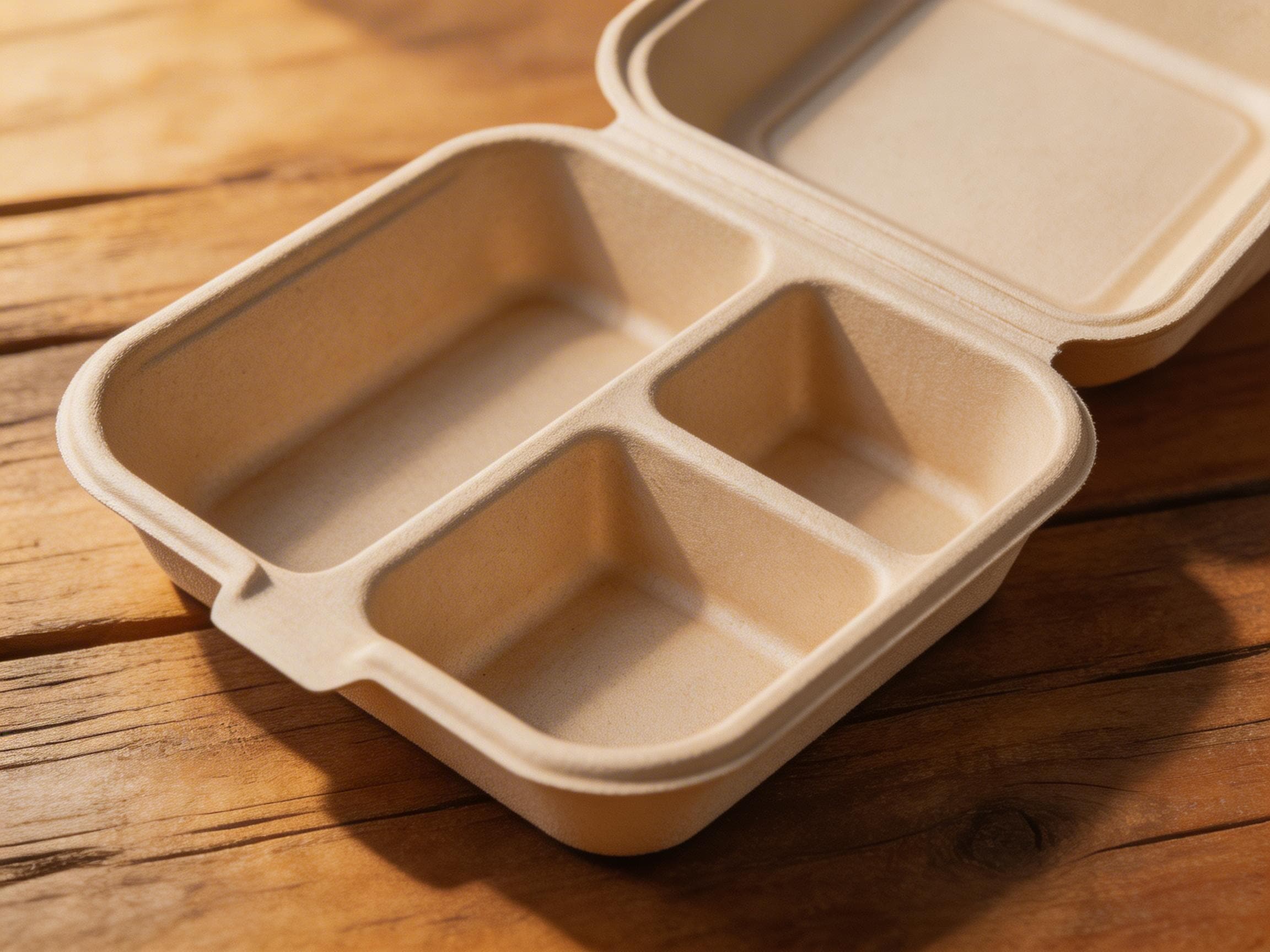
Why Bagasse Food Containers Make Commercial Sense for Importers and Food Brands
Bagasse — the fibrous residue left after sugarcane stalks are crushed for juice — has moved from a niche eco-material to a mainstream packaging choice for restaurants, catering companies, and food delivery brands worldwide. If you are sourcing disposable food packaging at scale, bagasse containers deserve a closer look, and not only because they tick the sustainability box.
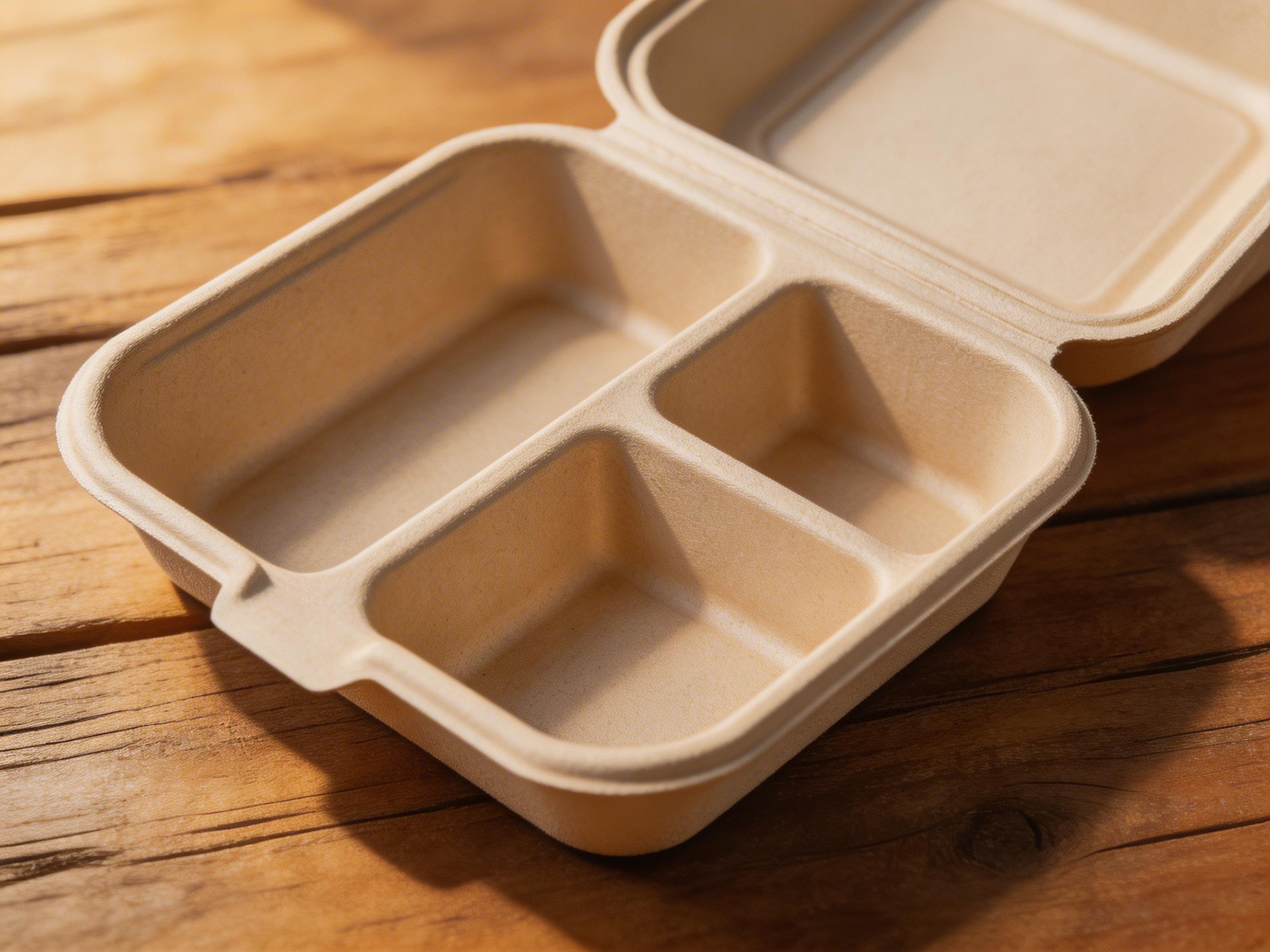
This article breaks down the practical and commercial reasons why bagasse food containers are gaining traction across global markets, and what buyers should consider when evaluating suppliers.
What Makes Bagasse Different from Conventional Packaging
Most single-use food containers on the market are made from expanded polystyrene (EPS), polypropylene (PP), or PET plastic. These materials are inexpensive to produce but come with well-documented environmental downsides: they persist in landfills for centuries and are increasingly restricted by regulation. Bagasse offers a fundamentally different material profile:
- Raw material source: A by-product of sugarcane processing, meaning no additional agricultural land or resources are dedicated to its production.
- End-of-life pathway: Biodegradable and industrially compostable, typically breaking down within 60–90 days under proper conditions.
- Regulatory momentum: Multiple regions — including the EU Single-Use Plastics Directive and various Middle Eastern and Southeast Asian national policies — are accelerating the phase-out of certain single-use plastics, creating demand for alternatives like bagasse. For importers and distributors, these characteristics translate into a product category that is both policy-aligned and commercially forward-looking.
Durability That Surprises First-Time Buyers
One common concern among buyers unfamiliar with bagasse is whether plant-fibre packaging can match the structural integrity of plastic. The short answer: it can, and in some scenarios it performs better. Bagasse containers are pressed under high temperature and pressure, producing a dense, rigid board. In practice:
- Hot foods: The material holds shape without softening, even when filled with steaming rice, curries, or soups.
- Cold foods: No condensation-related weakening — making it suitable for salads, desserts, and chilled items.
- Greasy or saucy dishes: The natural fibres resist oil penetration without requiring an additional plastic lining. This structural reliability matters for food-service operators who cannot afford presentation failures during delivery or catering events.
Heat and Moisture Resistance Without Additives
Unlike some paper-based packaging that relies on PE or PLA coatings for moisture barrier, bagasse achieves resistance through its natural fibre density. This is a meaningful distinction for several reasons:
- Microwave compatibility: Bagasse containers can typically withstand microwave reheating up to around 100°C without warping or releasing odours, which is not guaranteed for all plastic containers.
- Oven-safe at moderate temperatures: Many bagasse products tolerate short-duration oven heating (up to approximately 120°C), adding versatility for food preparation and display.
- No coating delamination: Because there is no applied lining to separate from the base material, the container's integrity does not degrade over time in humid storage conditions. For wholesalers and distributors, this reduces the risk of customer complaints related to packaging failure during normal use.
Brand Perception and Market Differentiation
Consumer expectations around sustainable packaging have shifted significantly. Research from multiple markets — including Europe, the Middle East, and Southeast Asia — consistently shows that a growing share of diners and delivery customers prefer brands that use environmentally responsible packaging. For the businesses you supply, this creates a tangible commercial incentive:
- Menu marketing: Restaurants can highlight "served in compostable packaging" on menus and delivery platforms.
- Tender advantages: Catering companies bidding for corporate or institutional contracts increasingly face sustainability criteria — bagasse packaging helps meet those requirements.
- Social media appeal: Clean, natural-looking packaging photographs well and supports a brand narrative that resonates on visual platforms. As a packaging supplier, offering bagasse options positions you as a partner who understands where your clients' end customers are headed.
Carbon Footprint: Understanding the Real Impact
The carbon profile of bagasse packaging compares favourably with petroleum-based alternatives, though it is important to be precise about the claims:
- Feedstock: Sugarcane is a fast-growing, renewable crop. The bagasse fibre itself is an agricultural waste stream, so its raw-material carbon cost is minimal.
- Production energy: The pressing and moulding process for bagasse containers requires less energy than plastic injection moulding or EPS expansion.
- Transport: Bagasse products are typically lighter than ceramic or glass alternatives and comparable in weight to similar-sized plastic containers, so shipping emissions per unit are similar. While no single-use packaging product has zero environmental impact, bagasse represents a clear improvement over virgin plastic in lifecycle carbon terms. For buyers who need to report on or communicate their sustainability credentials, this difference is significant.
Cost Considerations for Bulk Buyers
There is a lingering perception that sustainable packaging always carries a price premium. The reality with bagasse is more nuanced:
- At scale, bagasse pricing is competitive. Sugarcane grows quickly and abundantly, keeping raw material costs stable. As manufacturing capacity has expanded globally, unit costs have come down.
- No secondary processing needed. Because bagasse containers do not require a separate coating or lining step for oil and moisture resistance, production is more straightforward.
- Mixed-product sourcing efficiencies. When bagasse containers are ordered alongside other disposable packaging (cups, cutlery, bags) from a coordinated supplier, consolidated shipping and mixed-container loading reduce per-unit logistics costs. At TakeawayPack, we work with buyers to structure orders that balance product range, volume, and delivery schedule to achieve the best landed cost.
Sourcing Bagasse Containers: What to Look For
If you are evaluating bagasse packaging for your product line, here are the practical factors worth checking with potential suppliers:
Material Specifications
- Confirm the bagasse content percentage (higher is generally better for compostability).
- Ask about any additives or binders used in the pressing process.
- Request test reports for oil resistance, heat tolerance, and heavy-metal limits.
Product Range
- Available sizes and shapes (clamshells, trays, bowls, plates, compartments).
- Lid compatibility — ensure the lid fit is secure for delivery use.
- Custom mould availability if you need non-standard dimensions.
Customisation Options
- Logo printing or embossing for branded packaging.
- Colour options beyond the natural beige.
- Minimum order quantities for custom runs — flexible MOQ is important for new product launches or seasonal items.
Compliance and Certification
- Industrially compostable certification (e.g., EN 13432, ASTM D6400).
- Food-contact safety declarations for your target markets.
- Regulatory compliance documentation for import (particularly relevant for EU and Middle East destinations).
Supply Chain Support
- Sample availability for product testing before committing to a full order.
- Quality inspection processes — pre-shipment checks are essential for consistent product quality.
- Lead times for stock items versus custom orders.
- Ability to consolidate bagasse with other product categories in a single shipment.
Why This Matters for Your Business
The shift toward bagasse and similar plant-based packaging materials is not a temporary trend — it reflects structural changes in regulation, consumer expectations, and supply-chain economics. Importers, distributors, and food-service groups that build bagasse into their product offering now are better positioned as these shifts accelerate. Whether you are looking to replace a portion of your plastic container range or build a dedicated eco-packaging product line, the key is working with a supplier who can provide consistent quality, flexible ordering, and the documentation your market requires.
Interested in evaluating bagasse food containers for your product range? TakeawayPack offers stock samples, custom branding options, and consolidated sourcing across our full packaging catalogue. Reach out at info@takeawaypack.com to discuss your requirements.