Wooden Cutlery for Takeaway and Catering: A Practical Sourcing Guide
Single-use plastic cutlery is on the way out. Regulations across the EU, UK, Middle East and parts of Southeast Asia now restrict or ban many plastic utensils, pushing food.
2026-06-30 - 6 min read
Overview
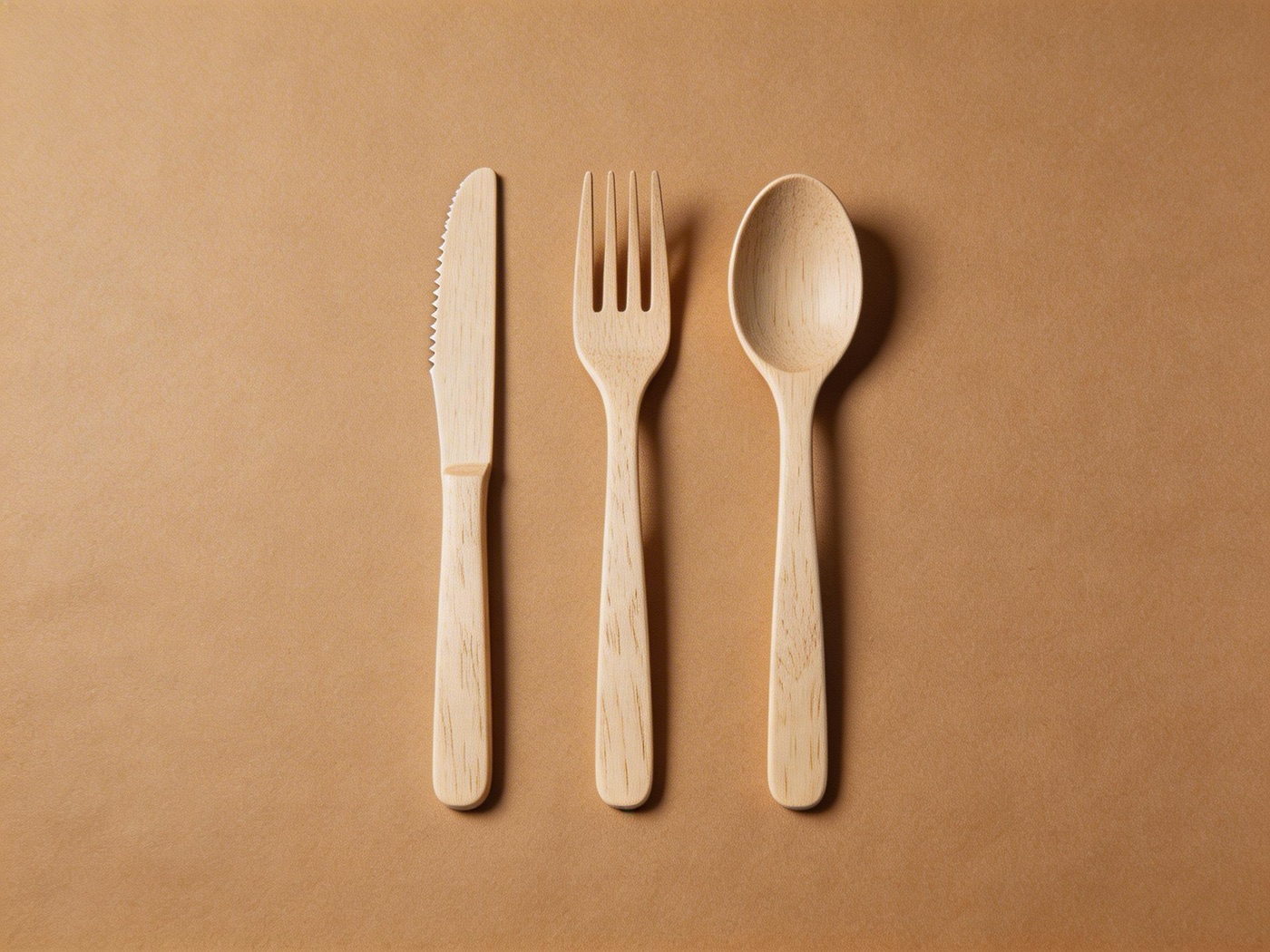
Single-use plastic cutlery is on the way out. Regulations across the EU, UK, Middle East and parts of Southeast Asia now restrict or ban many plastic utensils, pushing food businesses toward alternatives that perform well and meet compliance requirements. Wooden cutlery — typically made from birchwood or bamboo — has become one of the most widely adopted replacements.
But "wooden" does not automatically mean "good." Quality, finish, food safety compliance and sourcing reliability vary significantly between suppliers. This guide walks through what buyers — importers, distributors, restaurant groups and catering wholesalers — should evaluate when sourcing wooden cutlery at scale.
Environmentally Credible
Birchwood and bamboo are biodegradable and compostable under the right conditions. For businesses facing customer pressure or regulatory mandates to move away from single-use plastics, wooden cutlery offers a straightforward, proven swap.
Functional Performance
A well-made wooden fork or knife handles hot, oily and heavy foods without melting, warping or leaching chemicals. That reliability matters for takeaway operators, street-food vendors and large-scale catering where utensils encounter everything from hot soups to greasy curries.
Regulation-Friendly
As single-use plastic bans expand across markets, wooden cutlery helps businesses stay compliant without having to overhaul their entire packaging programme. It fits neatly alongside existing takeaway boxes, paper cups and kraft bowls.
1. Material and Origin
Most commercial wooden cutlery is made from birchwood or bamboo. Both are viable, but they have different characteristics:
Birchwood is widely available, cost-effective and offers a smooth, neutral finish. It is the most common material for disposable wooden knives, forks and spoons.
Bamboo is denser and has a slightly harder feel. Some buyers prefer it for its perceived premium quality, though it tends to cost more.
Ask your supplier about the wood source. Responsibly managed plantations and FSC-certified materials carry more weight with end customers and procurement teams alike.
2. Smooth Finish and Safety
Rough edges or splinters are unacceptable for food-contact items. During production, cutlery should be sanded and polished to a smooth finish with no sharp points.
Food safety is non-negotiable. Confirm that the cutlery has no chemical coatings, artificial finishes or glues. The wood should be natural and untreated — any surface treatment needs to be explicitly food-safe and documented.
3. Full Set Coverage
Check that the supplier offers a complete range:
Knives — should be able to cut through common takeaway foods
Forks — tines should be sturdy enough to pierce food without snapping
Spoons — bowl depth matters for soups, curries and desserts
Teaspoons / coffee stirrers — essential for beverage-focused operators
Napkin-wrapped sets — pre-packaged knife-fork-napkin bundles save time and improve hygiene presentation
If your customers run different types of food service — a café, a delivery kitchen and an event catering arm — being able to source all formats from one supplier simplifies procurement.
4. Packaging and Hygiene
For takeaway and delivery, individually wrapped pieces or sealed sets are strongly preferred. They protect against contamination during transport and storage, and they signal hygiene to the end customer.
At events and food stalls, individually wrapped cutlery also helps meet health and safety requirements. If your market demands it, check that packaging materials are also recyclable or compostable to maintain the sustainability story.