The 2026 Cost-Benefit Analysis: Transitioning from Plastic to Bagasse Packaging Without Losing Margin
As we navigate through 2026, the global food-service industry is facing a harsh reality: strict single-use plastic bans and Extended Producer Responsibility taxes are no longer.
2026-06-30 - 3 min read
Overview
As we navigate through 2026, the global food-service industry is facing a harsh reality: strict single-use plastic bans and Extended Producer Responsibility taxes are no longer looming on the horizon—they are actively enforced. For restaurant chains and regional distributors across Europe, Australia, and North America, transitioning to sustainable packaging is now a legal mandate.
However, the elephant in the room remains: plant-based alternatives like Bagasse typically carry a higher per-unit cost than traditional Polypropylene or EPS foam. For operators running on thin margins, this material premium feels like a direct hit to profitability.
But it does not have to be. Smart operators are treating 2026 not as a compliance crisis, but as an opportunity to restructure their packaging economics. Here is how you can transition to Bagasse packaging without sacrificing your bottom line.
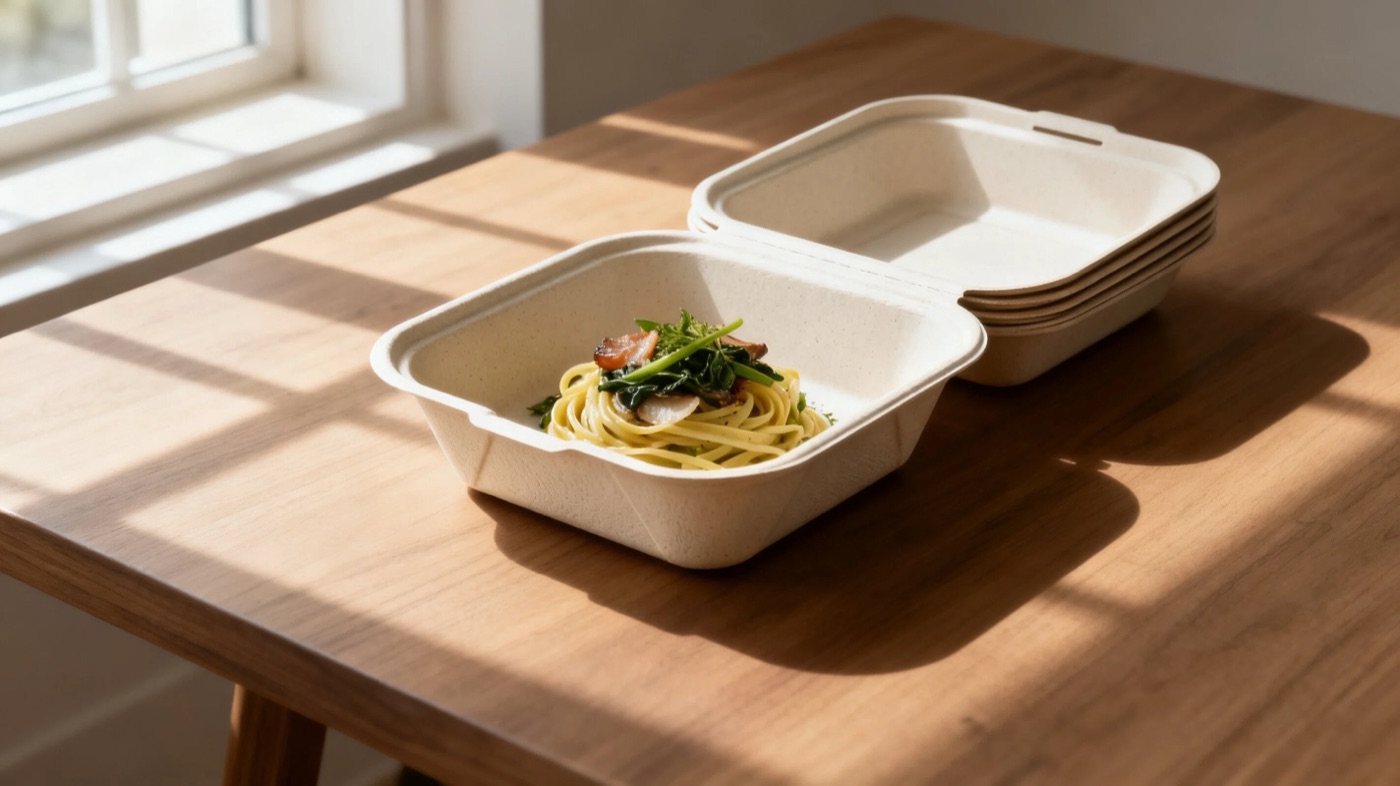
Offset Costs Through "Right-Sizing" and SKU Consolidation When plastic was dirt-cheap, restaurants habitually used oversized containers for small portions. In the era of Bagasse, unused space is wasted money. Conduct a strict audit of your menu and "right-size" your containers. If a 750ml bowl comfortably fits your signature pasta, do not use a 1000ml container. Furthermore, consolidate your SKUs. Instead of buying five different container shapes, select two or three highly versatile Bagasse bowls. Bulk purchasing fewer SKUs significantly lowers your unit cost and streamlines kitchen operations.
Eliminate the "Over-Packaging" Habit Bagasse inherently looks and feels premium. Its natural, earthy texture aligns perfectly with the modern "Quiet Luxury" and organic aesthetic. Because the primary container already signals high quality, you can aggressively cut down on secondary packaging. You no longer need to double-bag items or use excessive branded stickers and inner sleeves to compensate for the cheap look of clear plastic. Let the Bagasse container do the talking, and redirect those secondary packaging savings to offset the cost of the raw material.
Factor in the Hidden Costs of Plastic When comparing prices, looking only at the ex-factory cost is a trap. In 2026, importing plastic packaging into stringent markets incurs heavy EPR fees and disposal taxes. Bagasse, being EN 13432 certified for industrial compostability, is frequently exempt from these aggressive plastic taxes. When you calculate the *Total Cost of Ownership*—including import tariffs, local plastic taxes, and waste management fees—the price gap between plastic and Bagasse shrinks dramatically, and in some regions, Bagasse becomes the cheaper legal option.
Premiumization: Leveraging Sustainability for Margin Growth Today’s consumers are hyper-aware of environmental impact. A recent shift in consumer behavior shows that diners are willing to absorb a fractional price increase if the packaging is tangibly sustainable. By prominently communicating your switch to compostable Bagasse, you can justify slight menu price adjustments or delivery fee optimizations. You are no longer just selling food; you are selling guilt-free convenience.
Conclusion Transitioning to Bagasse in 2026 is a strategic upgrade, not just a compliance checkbox. By right-sizing containers, cutting secondary packaging waste, avoiding plastic taxes, and leveraging eco-premium branding, restaurants can make the math work beautifully.
At TakeawayPack, we specialize in helping businesses navigate this transition profitably. We offer premium, high-density Bagasse solutions with mixed-loading capabilities to optimize your freight. Don't let compliance crush your margins—contact us at info@takeawaypack.com for a customized Bagasse transition strategy.