Stackable and Microwavable Food Containers: What B2B Buyers Need to Know in 2025
The global takeaway and meal-delivery market continues to expand, and packaging is evolving right alongside it. One of the clearest shifts in 2025 is the growing demand for.
2026-06-30 - 5 min read
Overview
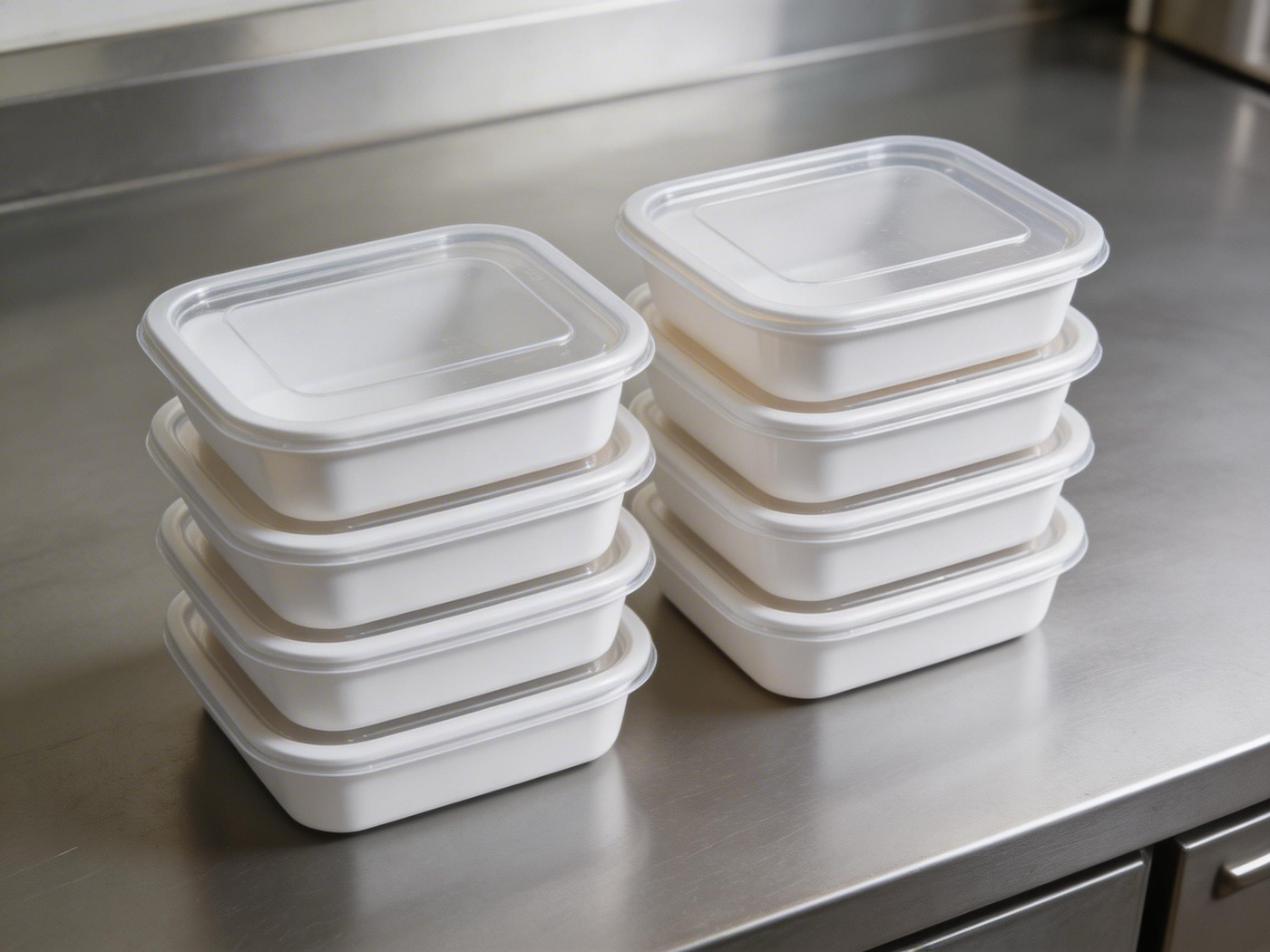
The global takeaway and meal-delivery market continues to expand, and packaging is evolving right alongside it. One of the clearest shifts in 2025 is the growing demand for containers that combine three practical attributes: microwave compatibility, stackable storage, and sustainable materials. For importers, distributors, and food-service operators sourcing packaging at scale, understanding why these features matter — and how to evaluate suppliers — is now a commercial necessity rather than a nice-to-have.
Delivery-First Dining Changes Packaging Requirements
The rise of delivery platforms, ghost kitchens, and grab-and-go retail means more meals are packed, transported, and reheated by the end consumer — not by kitchen staff. In that context, a container that goes straight from the fridge to the microwave without being transferred is a genuine convenience advantage. Restaurants and meal-prep brands that offer this experience see higher reorder rates, because the packaging itself becomes part of the product promise.
Stackability Reduces Logistics Costs
For businesses that ship or store large volumes of empty containers, stackability is not merely a design preference — it is a cost lever. Nestable containers occupy significantly less warehouse and truck space, lowering per-unit freight and storage costs. When you are sourcing containers by the tens of thousands, even a modest improvement in nesting density translates to measurable savings.
Sustainability Pressures from Regulation and Consumers
Single-use plastic is under tightening regulation across Europe, the Middle East, and parts of Southeast Asia. At the same time, environmentally conscious consumers actively prefer brands that use packaging made from renewable or compostable materials. Containers built from plant-based fibres — bagasse, bamboo, moulded pulp — satisfy both regulatory and brand-positioning goals while still offering the functional performance food operators need.
Bagasse
Bagasse containers are heat-resistant up to approximately 110 °C, microwave-safe, and naturally grease-resistant without additional coatings. They are compostable in industrial facilities and increasingly accepted in municipal organic-waste streams. For B2B buyers, bagasse offers a compelling balance of performance, sustainability credentials, and cost.
Bamboo Fibre
Bamboo grows quickly and requires minimal water, making it a renewable raw material with strong environmental messaging. Bamboo-fibre containers share many of bagasse's heat-resistance properties and can be produced in a range of shapes and finishes suitable for premium food branding.
Recyclable PP
Not every market or menu item suits fibre-based packaging. Polypropylene remains the workhorse of microwavable containers: it is lightweight, inexpensive, and widely recyclable where collection infrastructure exists. For buyers who need a balance between price, durability, and recyclability, PP containers — especially those designed with easy-stack nesting features — remain a practical choice.
Temperature Range and Food-Safety Compliance
Ensure containers carry appropriate certifications for the markets you serve — EU food-contact regulations, FDA requirements, or regional equivalents. Verify the stated temperature range: many fibre-based containers handle −20 °C to 110 °C, covering freezer storage through microwave reheating, but confirm this with test reports rather than marketing claims alone.