Premium Paper Bags with Handles: A Sourcing Guide for Luxury Brands and Hospitality Groups
When a customer walks out of your store or restaurant carrying a well-crafted paper bag, that bag becomes a mobile advertisement. It travels through shopping centres, high.
2026-06-30 - 7 min read
Overview
When a customer walks out of your store or restaurant carrying a well-crafted paper bag, that bag becomes a mobile advertisement. It travels through shopping centres, high streets, and office lobbies — quietly communicating your brand's identity, values, and attention to detail. For luxury retailers, boutique cafés, and upscale hospitality brands, the paper bag is far more than a container. It is part of the customer experience.Choosing the right paper bag with handles — especially at volume and across international supply chains — requires careful thought about materials, handle types, print quality, and supplier reliability. This guide walks buyers through the key decisions, with practical advice for importers, distributors, and brand procurement teams sourcing from manufacturers.
Why Paper Bag Quality Matters for Premium Brands
A cheap, flimsy bag undermines the premium positioning you have worked hard to build. Customers notice paper weight, print clarity, handle comfort, and structural integrity. A bag that tears on the walk to the car, or one with misaligned printing, sends the wrong message.Conversely, a bag that feels substantial in the hand — with crisp graphics, clean edges, and a comfortable handle — reinforces quality perception every time it is carried in public. For hospitality groups offering retail products, bakeries packaging gift items, or hotel chains providing in-room amenities, the same principles apply.Beyond aesthetics, there are practical considerations: Will the bag hold its shape during delivery? Can it support the weight of your products? Is it made from materials your customers will feel good about? These questions matter at the sourcing stage, not after delivery.
Understanding Handle Types and Their Applications
The handle is one of the first things a customer interacts with, and it shapes their overall impression of the bag. Different handle styles suit different use cases, product weights, and brand aesthetics. Here is a breakdown of the most common options available from packaging manufacturers:
Rope Handles
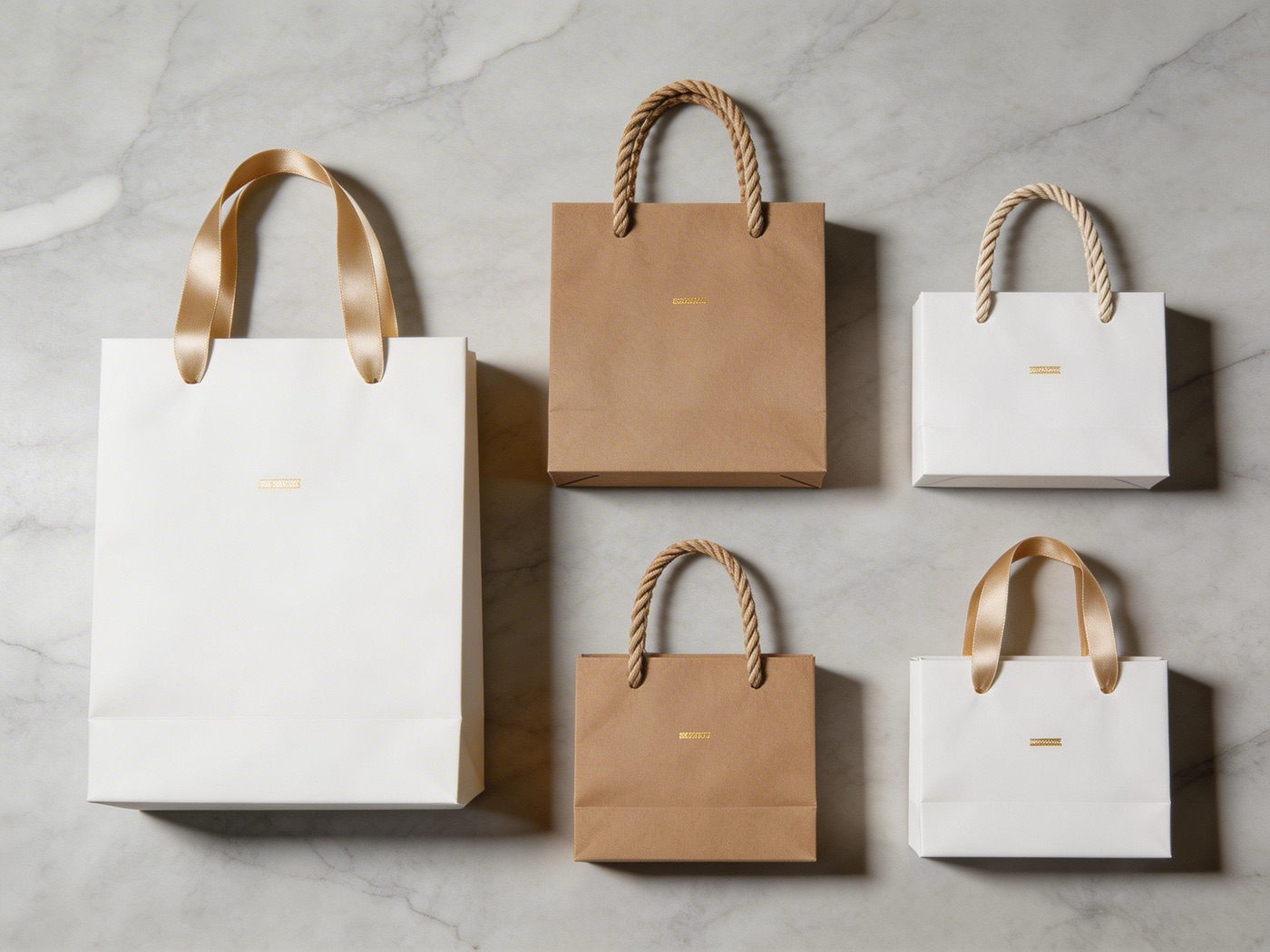
Rope handles are strong, comfortable to grip, and easy to customise in colour and thickness. They are a versatile choice used across fashion, hospitality gifting, and premium food retail. Rope-handled bags tend to have a structured, box-shaped bottom, which gives them a clean silhouette on shelving and display racks. For bulk orders, rope handles are cost-effective at scale and work well with both coated and uncoated kraft paper.
Ribbon Handles
Ribbon handles convey softness and elegance. They are especially popular for gift bags, seasonal promotions, and luxury product launches. Satin or grosgrain ribbon adds a tactile element that customers associate with high-end packaging. If your brand operates in the confectionery, cosmetics, or boutique gift space, ribbon handles are worth considering — though they are best suited to lighter product weights.
Twisted Paper Handles
Twisted paper handles are the workhorse of the paper bag world. They are economical, fully recyclable, and available in a wide range of colours. For cafés, bakeries, and takeaway brands that need large volumes of branded bags at a manageable price point, twisted handles offer a strong balance between cost and presentation. They pair well with kraft and white art paper bags.
Folded Paper Handles
Folded paper handles offer a cleaner, more minimalistic look compared to twisted handles. They are glued flat to the inside of the bag top, creating a neat appearance. This style suits brands going for a natural, understated aesthetic — organic food shops, zero-waste stores, and eco-conscious cafés often prefer this option.
Die-Cut Handles
Die-cut handles are formed by cutting holes directly into the reinforced top of the bag. No additional material is attached, which keeps production simple and material use low. They are best for lightweight items such as clothing, magazines, or small retail products. Many fashion and lifestyle brands favour die-cut bags for their clean lines and modern appearance.