Packaging for Speed: How QSRs Optimize Packaging for Drive-Thrus and High-Volume Service
In the modern Quick Service Restaurant industry, speed is the ultimate currency. With drive-thru and delivery channels frequently accounting for the majority of revenue across.
2026-06-30 - 3 min read
Overview
In the modern Quick Service Restaurant industry, speed is the ultimate currency. With drive-thru and delivery channels frequently accounting for the majority of revenue across Europe, North America, and Australasia, the operational pressure on kitchen staff is immense. Every second saved during assembly translates directly to higher throughput and increased profitability.
However, speed cannot come at the expense of food quality or customer experience. A spilled drink in a customer’s car or a box of soggy fries can permanently damage a brand's reputation. For procurement managers and regional distributors serving the QSR sector, packaging must be engineered for both velocity and reliability.
Here is how high-volume food operators optimize their packaging choices for peak performance.
The Anatomy of Speed: Hinged vs. Separate Lids In a high-volume kitchen, the physical act of searching for a matching lid costs valuable time.
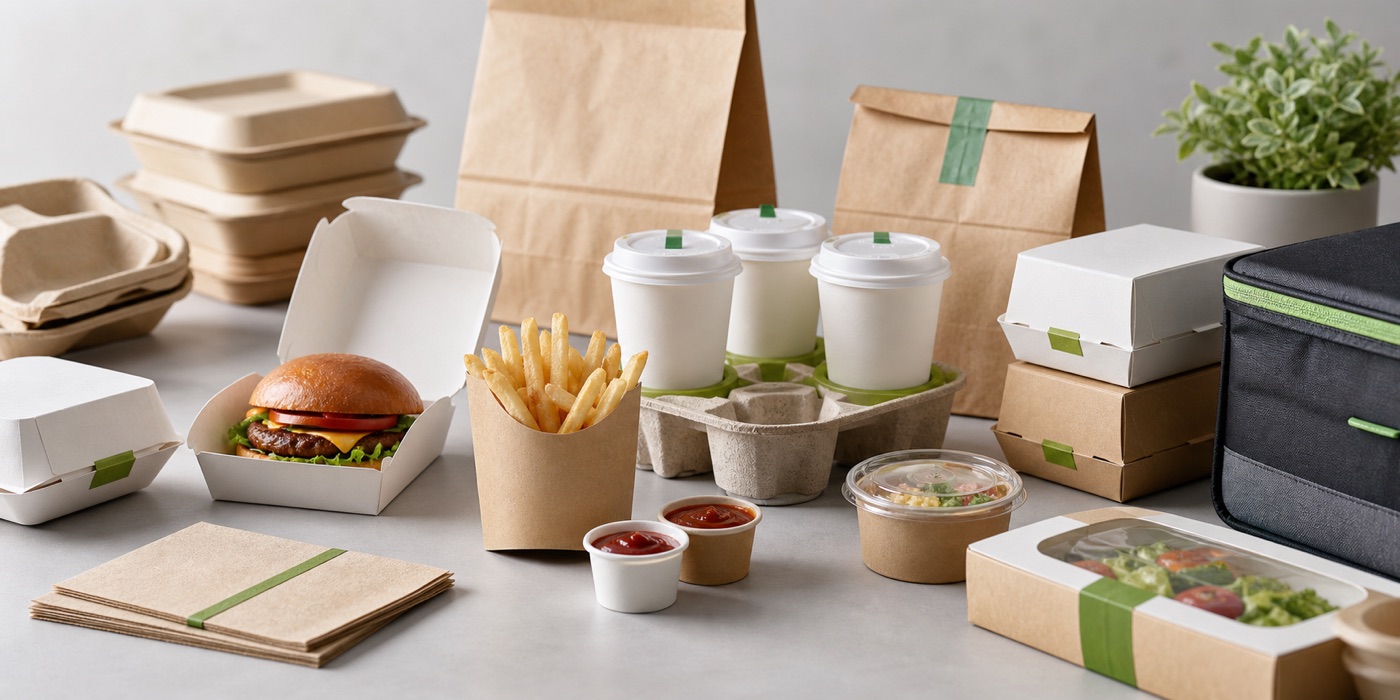
Hinged Clamshells: For fast-paced environments, one-piece hinged containers made from rigid PP or eco-friendly Bagasse are indispensable. Kitchen staff can fill, snap shut, and bag the meal in a single, fluid motion.
Separate Lids for Specific Needs: While clamshells are fast, separate tight-fitting PET or PP lids are still preferred for highly liquid items where maximum spill-resistance is required during bumpy delivery rides.
Defeating the "Soggy Fry" Syndrome Fried foods are the staple of QSRs, but they are also the most challenging to package. Sealing hot, fried food in an airtight container traps steam, turning crispy textures soggy within minutes.
Vented Kraft Boxes: The optimal solution is grease-resistant Kraft paperboard boxes engineered with strategic ventilation cut-outs. These vents allow steam to escape while retaining enough ambient heat to keep the meal warm.
Corrugated Trays: For open-top or immediate-consumption orders, sturdy corrugated trays offer excellent grease resistance and structural integrity without trapping any moisture.
Drive-Thru Durability and Spill Prevention The drive-thru experience demands packaging that is "car-friendly."
Flat-Bottom Carrier Bags: Flimsy bags that tip over in a car seat are a major pain point. Wide-gusset, heavy-duty Kraft paper bags provide a stable, flat base that keeps stacked containers secure during transit.
Secure Cup Holders: Molded pulp cup carriers are a must-have for multi-drink orders. They absorb minor spills, grip cups tightly, and fit perfectly into the base of the carrier bag, ensuring structural stability from the drive-thru window to the customer's kitchen.
Standardizing Procurement for Franchises For regional agents and multi-location franchises, standardizing packaging across the network is critical to maintaining a consistent brand image and controlling costs. Sourcing from a partner that offers mixed-container loading allows QSRs to procure their entire operational suite—hinged PP boxes, vented Kraft containers, cups, and flat-bottom bags—in one shipment. This eliminates the need to juggle multiple suppliers and prevents inventory bottlenecks during promotional peaks.
Conclusion In the QSR sector, packaging is a functional tool that dictates the speed of service and the quality of the food upon arrival. By prioritizing hinged designs for rapid assembly, vented materials for food integrity, and standardized procurement, fast-food brands can protect their margins and delight their customers.
If you are sourcing high-performance packaging for a QSR chain or distribution network, TakeawayPack offers flexible MOQs and comprehensive mixed-loading capabilities. Contact us at info@takeawaypack.com to build an efficient, customized packaging strategy for your high-volume operations.