How to Source Food Packaging in 2026: A Sourcing Guide for Global Buyers
Selecting the right food packaging is one of the most consequential decisions for restaurants, cafes, cloud kitchens, and food distributors. Entering 2026, the packaging landscape.
2026-06-30 - 3 min read
Overview
Selecting the right food packaging is one of the most consequential decisions for restaurants, cafes, cloud kitchens, and food distributors. Entering 2026, the packaging landscape has shifted. With tighter global plastic regulations and rising consumer demand for sustainability, the packaging you choose affects not only product protection but also regulatory compliance and operational costs.
For businesses sourcing packaging for export or large-scale operations, understanding the current material landscape is essential. This guide outlines the key packaging categories for 2026, their practical applications, and what to evaluate when selecting a supply partner.
Understanding Your Packaging Material Options in 2026 Each packaging material offers distinct performance characteristics. The right choice depends on your food type, distribution method, and brand positioning.
Bagasse: The New Mainstream Standard By 2026, Bagasse has transitioned from a niche eco-alternative to a primary standard for heat-resistant packaging, effectively replacing foam and many traditional high-heat containers. Made from sugarcane processing byproducts, this material is molded into rigid containers using heat and pressure.
Key advantages: Fully compostable under industrial conditions; heat-resistant up to 200°C; breathable properties reduce condensation for hot foods; made from renewable agricultural waste.
Considerations: Requires industrial composting facilities for full biodegradation; ensure you select options with appropriate oil/water resistance for your specific menu items.
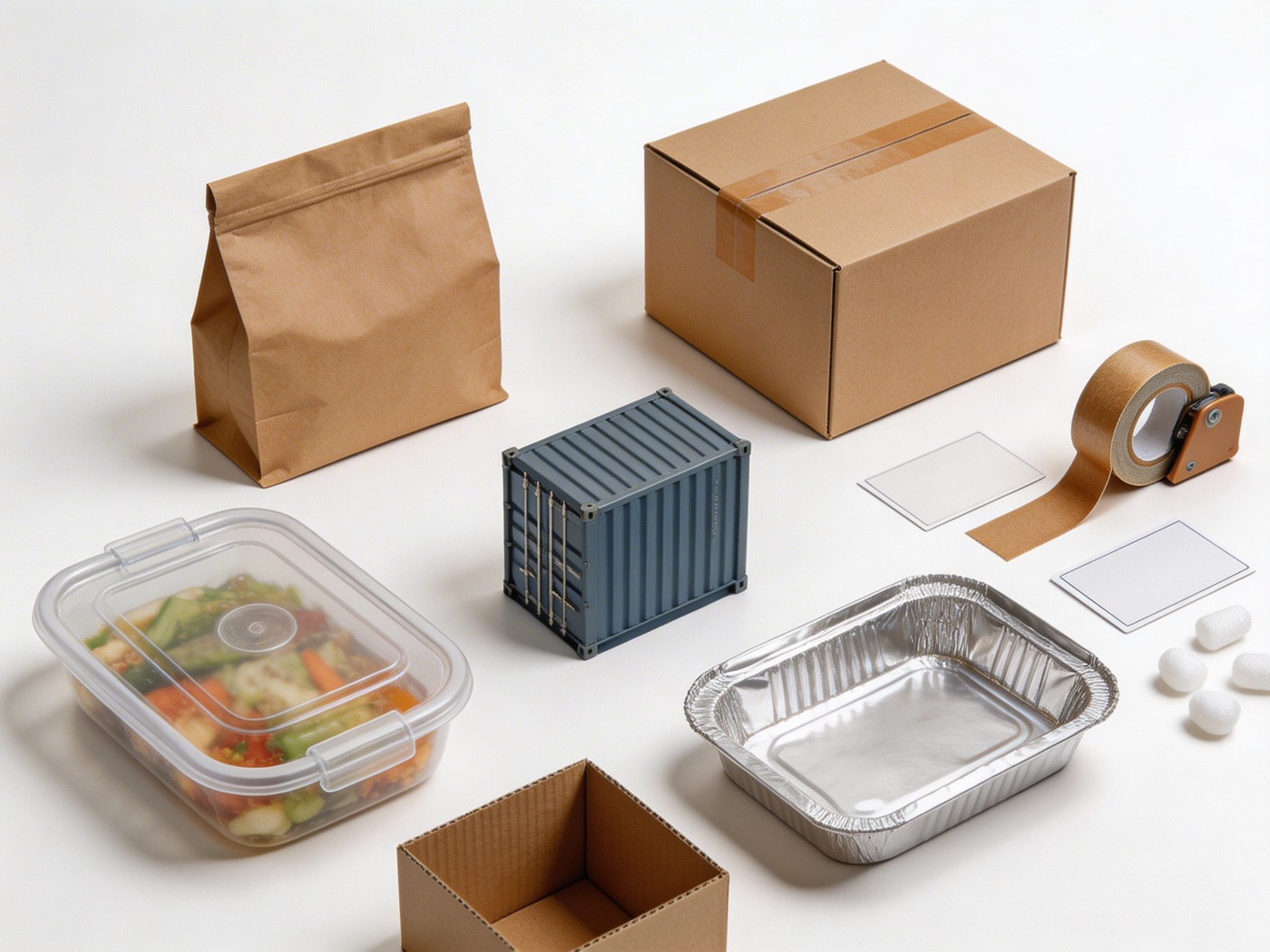
Cardboard and Kraft Paper: Evolving Beyond Plastic Coatings Paper-based packaging continues to expand its applications. In 2026, modern cardboard containers increasingly incorporate advanced, plastic-free or aqueous coatings to bypass new plastic taxes while maintaining excellent performance.
Key advantages: Biodegradable and widely recyclable; excellent printability for branding; lightweight and stackable for efficient shipping; strongly aligns with 2026 consumer sustainability expectations.
Considerations: Verify that the internal coating matches your food's moisture and grease levels; structure may weaken if over-exposed to heavy liquids for extended periods.
Plastic Containers: The High-Performance Staples While facing stricter regulations, plastic remains essential for specific foodservice applications where maximum barrier protection and clarity are required. Polypropylene offers excellent heat resistance for hot delivery, while PET provides crystal-clear visibility for cold deli products.
Key advantages: Unmatched moisture and oxygen barriers; highly durable for long-distance transport; cost-effective for high-volume operations; microwave-safe options available.
Considerations: Must navigate tightening single-use plastic taxes in markets like the EU and UK; B2B buyers must prioritize fully recyclable grades and avoid mixed-material plastics to ensure compliance.
Key Selection Criteria for 2026 When evaluating packaging options for your business this year, consider these essential factors:
ESG and Regulatory Compliance: Sustainability is no longer just a marketing tool; it is a legal requirement. Consider material certifications and ensure your choices align with your target market's end-of-life infrastructure and plastic reduction mandates.
Supply Chain Resilience: Global logistics require stable partners. Evaluate production capacity, lead time consistency, documentation accuracy for customs clearance, and flexibility for mixed-product orders.
Food Compatibility and Safety: Ensure your chosen material is approved for food contact. Acidic foods, hot oils, and alcoholic beverages require specific material properties.
Cost Structure and MOQ: Understand the complete cost profile, including unit pricing, shipping expenses, and potential import duties. Flexible minimum order quantities allow businesses to test products without massive upfront capital.
Working with an Export-Focused Packaging Partner For restaurants and food brands sourcing packaging internationally, the right supply partner reduces complexity. Look for integrated sourcing capability, customization support with flexible MOQs, rigorous pre-shipment quality assurance, and expert logistics coordination.
Conclusion Choosing food packaging in 2026 requires balancing performance, cost, sustainability, and shifting regulations. For businesses sourcing at scale, the supplier relationship is as important as the product itself.
Looking for a packaging partner with export experience and flexible sourcing options? Contact TakeawayPack at info@takeawaypack.com to discuss your requirements—from compostable bagasse containers to custom-printed kraft bags.