From Design to Delivery: A B2B Buyer’s Step-by-Step Guide to Custom Printed Packaging
Custom packaging is the most cost-effective marketing tool available to modern food brands. It transforms a generic commodity into a mobile billboard. However, for B2B regional.
2026-06-30 - 3 min read
Overview
Custom packaging is the most cost-effective marketing tool available to modern food brands. It transforms a generic commodity into a mobile billboard. However, for B2B regional agents and brand operators sourcing from overseas manufacturers, the custom printing process can feel fraught with risks. Misaligned logos, unexpected color shifts, and surprisingly high Minimum Order Quantities can turn a branding upgrade into a costly mistake.
For businesses targeting quality-conscious markets in Europe, North America, and Australia, precision is non-negotiable. Whether you are aiming for vibrant full-color graphics or a minimalist "Quiet Luxury" aesthetic, this step-by-step guide demystifies the overseas custom printing process and shows you how to secure flawless packaging every time.
Choosing the Right Print Technology: Flexo vs. Offset The first decision in custom packaging is matching your design to the correct printing method.
Flexographic Printing: This is the industry standard for high-volume packaging like kraft paper bags, corrugated boxes, and paper cups. It uses flexible relief plates and is highly cost-effective for simple, 1-to-3 color designs. If your brand features a clean, minimalist logo on natural kraft paper, Flexo is your go-to choice.
Offset Printing: If your artwork includes complex, photographic-quality images, gradients, or intricate multi-color patterns, Offset printing is required. It delivers unparalleled crispness and color fidelity, typically used for premium folding cartons and high-end gift boxes.
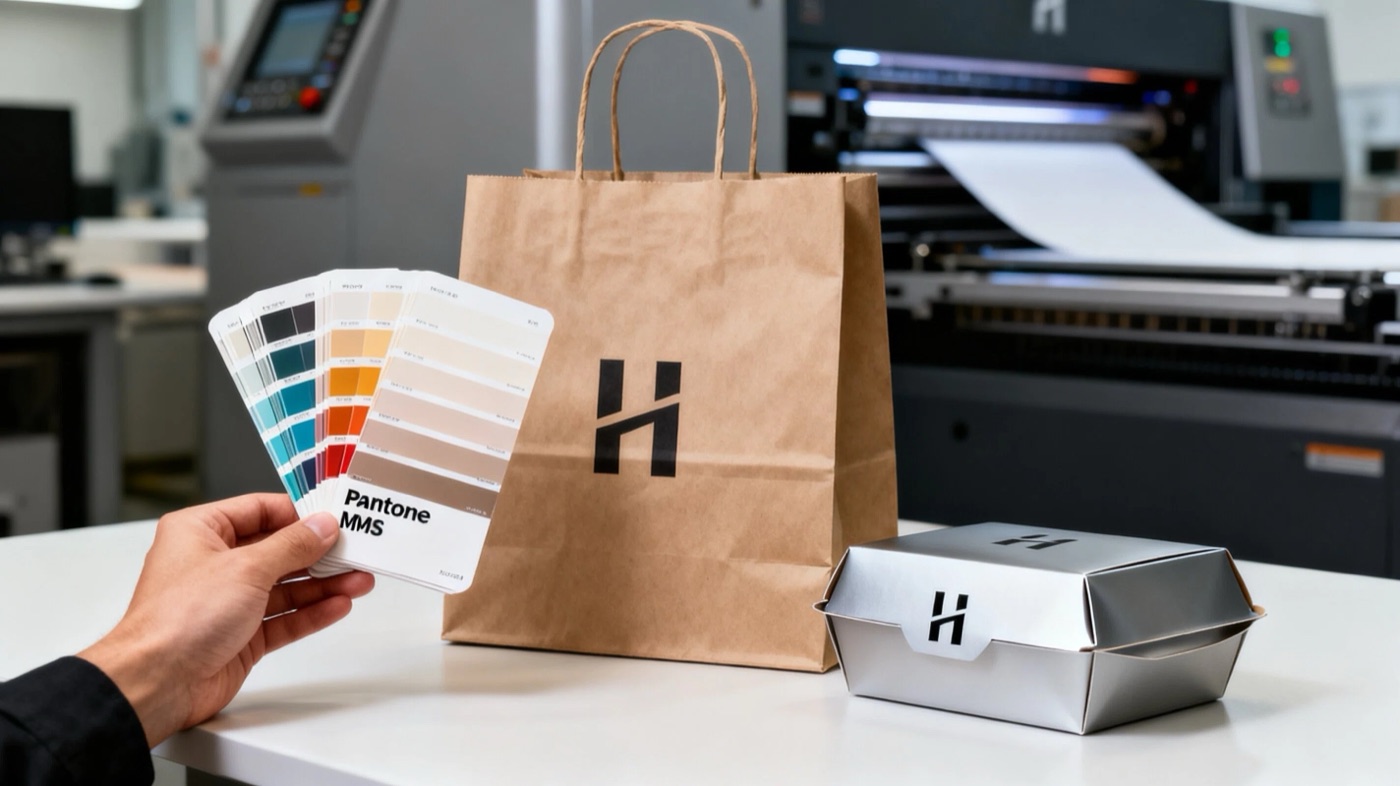
The Truth About Color Matching The most common mistake first-time buyers make is assuming the color on their computer screen will exactly match the ink on the physical product. To avoid "color shock" upon delivery, professional packaging suppliers rely on the Pantone Matching System. By providing your supplier with specific Pantone color codes, you ensure that your signature brand color remains 100% consistent across different materials—whether it is printed on a glossy PET plastic cup or an uncoated brown kraft paper bowl.
The Proofing Process: Digital vs. Physical Never rush to mass production without a rigorous proofing process. A reliable supplier will guide you through two stages:
Digital Proofs: A PDF mockup showing exact logo placement, dimensions, and bleed lines. This is your final chance to check for spelling errors, regulatory compliance symbols, and alignment.
Physical Samples: While digital proofs check the layout, physical samples verify the texture and how the ink interacts with the specific material. Ink absorbs differently into uncoated kraft paper than it does into PLA-coated paperboard. Reviewing a physical sample eliminates any guesswork before the mass run begins.
Navigating MOQs and Plate Fees Custom printing involves setup costs, such as creating the physical printing plates or cylinders, which is why suppliers require MOQs. However, the manufacturing landscape has modernized. You no longer need to order half a million units to get your logo on a cup. Look for suppliers that offer reasonable MOQs for pilot runs and test markets. Furthermore, ask if plate fees are a one-time cost—most reputable suppliers will waive plate fees on subsequent reorders of the exact same design, increasing your long-term margins.
Conclusion Overseas custom printing does not have to be a gamble. By understanding print methods, utilizing Pantone matching, and insisting on strict proofing protocols, B2B buyers can execute flawless brand packaging with zero stress.
At TakeawayPack, our pre-production confirmation process acts as your on-the-ground quality control. From precision PMS color matching for "Quiet Luxury" aesthetics to flexible MOQs for regional agents across Western markets, we guarantee what you approve is exactly what gets delivered. Contact us at info@takeawaypack.com to start your stress-free custom packaging project.