Creative Food Packaging Ideas That Help Your Brand Stand Out
In a competitive food-service market, the container your food arrives in is no longer an afterthought — it is a branding opportunity. Whether you run a restaurant chain, a.
2026-06-30 - 14 min read
Overview
In a competitive food-service market, the container your food arrives in is no longer an afterthought — it is a branding opportunity. Whether you run a restaurant chain, a takeaway brand, or a café group, packaging that catches the eye and solves a real problem for the end consumer can reinforce loyalty and drive repeat orders. This article explores practical, commercially viable ways to make your food packaging more creative without sacrificing function or blowing your budget.
Why Packaging Creativity Matters for Food Businesses
Customers form an opinion about your food within seconds of receiving it. The texture of the box, the clarity of the print, the way a cup feels in the hand — all of these signals accumulate into a brand impression before the first bite.For wholesalers and distributors, offering packaging that helps downstream customers differentiate themselves is a genuine value-add. Packaging innovation is no longer just about aesthetics; it is about storytelling, sustainability, and user experience combined.
Choose Paper-Based and Kraft Options
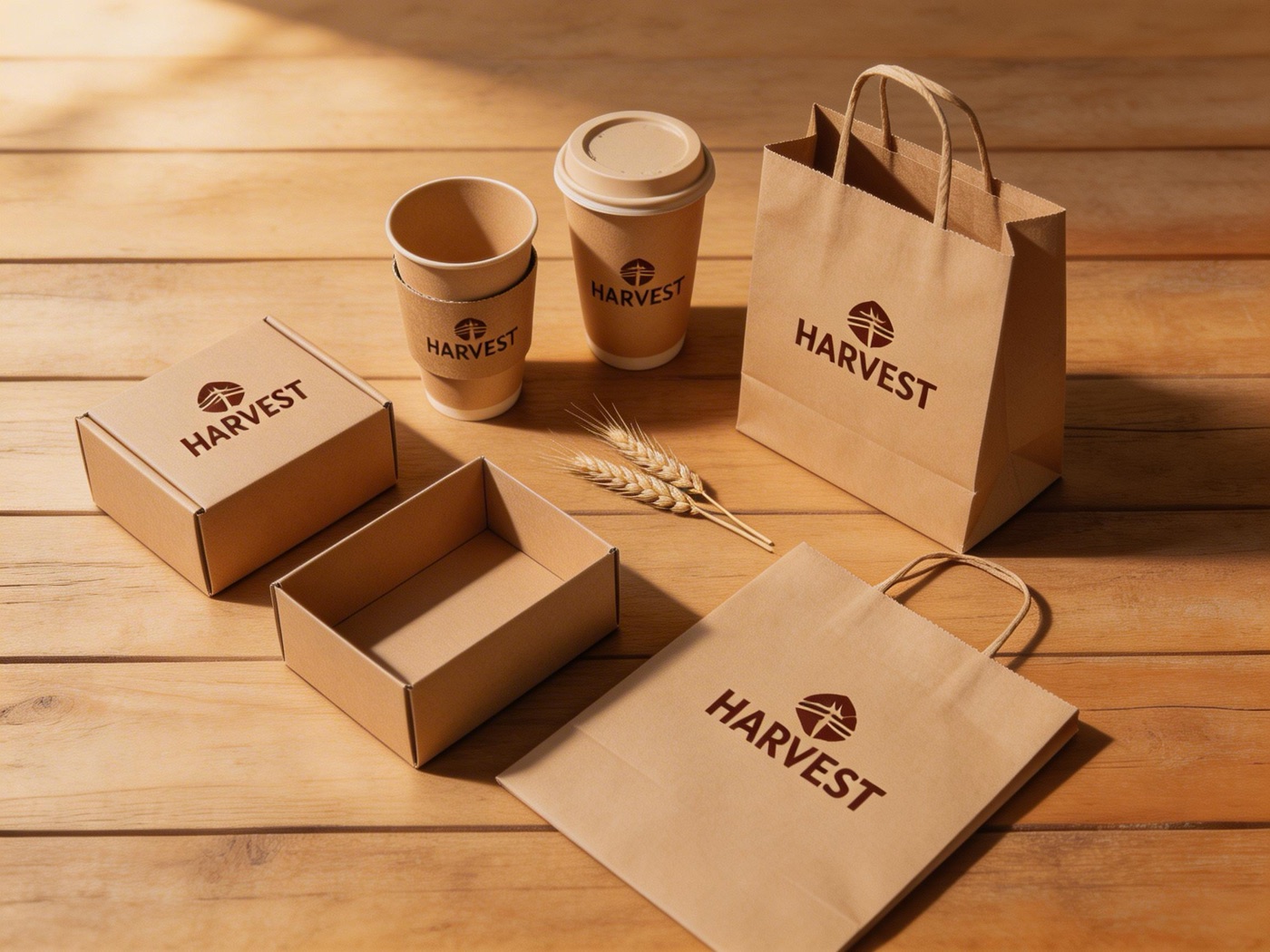
Kraft paper bags, cardboard takeaway boxes, and paper trays are not only functional — they communicate an earthy, artisanal quality that many modern food brands want to be associated with. Because kraft and unbleached board allow food to breathe, they also keep contents fresher compared to sealed plastic.From a supply perspective, paper-based packaging is widely available with flexible minimum order quantities, making it accessible for growing brands as well as established chains.
Explore Compostable and Plant-Based Materials
Materials such as bagasse and PLA have matured significantly. They now perform well for both hot and cold foods, and they signal environmental responsibility to the end consumer. Offering a compostable line can be a strong differentiator for restaurants and cafés that market themselves as green.
Bold, Illustrated Designs
Large-format illustration on takeaway boxes, sandwich wedges, or ice cream cups creates a memorable visual identity. Bold colours and graphic patterns photograph well — an important consideration when customers share their meals on social media.When commissioning custom print, ask your packaging supplier about colour-matching capabilities and the minimum run that makes full-colour printing economical. For some items, even a one- or two-colour print can deliver strong impact if the design is distinctive.
Storytelling Through Packaging
Think of each box or cup as a miniature billboard. Use it to communicate your brand narrative: ingredient sourcing, local partnerships, or the inspiration behind a dish. A café that sources beans from a specific region could feature a hand-drawn map on its cup sleeves. A farm-to-table restaurant might print seasonal illustrations on its salad bowls.The key is to align the visual story with what the customer actually experiences when they eat the food.
Tamper-Evident and Leak-Proof Features
Creativity is not only about appearance. Packaging that solves a real frustration — leaks during delivery, spilled sauces, or concerns about hygiene — creates a positive brand experience. Tamper-evident seals, secure locking lids, and compartmentalised containers demonstrate care for the customer.For suppliers, sourcing containers with these built-in features and then adding custom branding is a straightforward path to a premium product offering.
Stackable and Nested Designs
Delivery efficiency matters. Packaging that stacks neatly, fits together without wasted space, and stays secure in transit reduces costs for the operator and improves the customer's unboxing experience. Nested salad bowls, interlocking bento boxes, and carry-friendly meal trays are all examples where form and function intersect creatively.